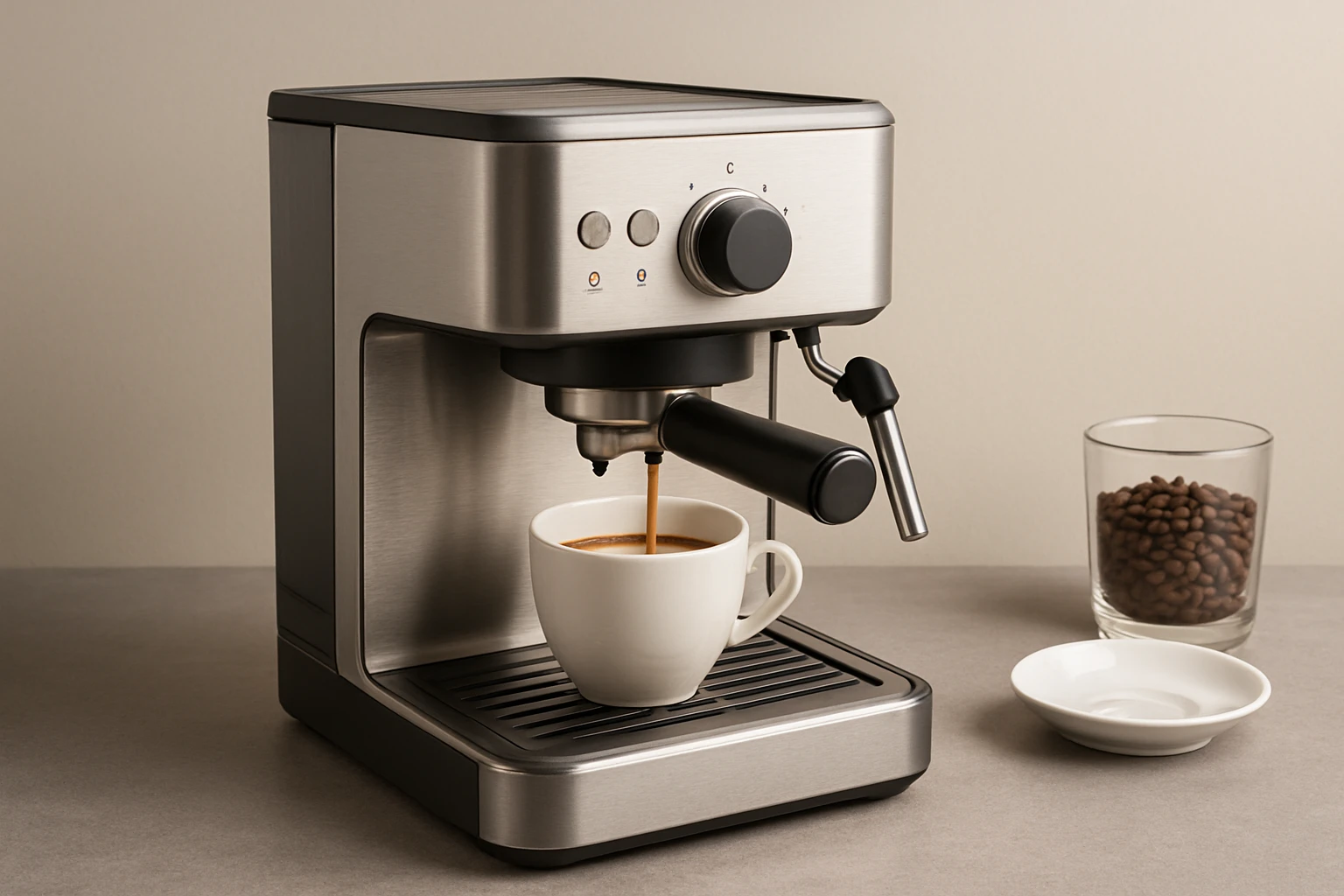

When to Repair vs Replace Your Compact Espresso Machine: A Practical Guide
Introduction
Choosing between repairing a compact espresso machine and purchasing a new one can be a daunting decision for coffee enthusiasts. This guide explains the factors that influence that decision, outlines cost‑benefit analyses, and provides actionable recommendations. Readers will learn how to assess machine age, performance issues, and long‑term value while gaining insight into a top‑rated option that exemplifies modern convenience. By the end of the article, one will be equipped to make an informed choice that balances budget, quality, and personal brewing goals.
Background and Context
Compact espresso machines have become a staple in many kitchens because they occupy minimal counter space while delivering café‑level extraction. The core components—boiler, pump, grinder (if integrated), and electronic controls—are subject to wear, mineral buildup, and mechanical fatigue. Understanding how these parts interact clarifies why certain problems are easily fixable and why others may signal the end of a machine’s useful life. Additionally, the rise of third‑wave coffee culture has raised consumer expectations for consistency, temperature stability, and pressure precision.
Repair costs typically involve part replacement, labor, and potential downtime. In contrast, replacement expenses include the purchase price, possible accessories, and the learning curve associated with a new device. Both paths have environmental implications; repairing reduces waste, while newer models often incorporate energy‑saving technologies.
When to Repair Your Compact Espresso Machine
Repair is advisable when the machine exhibits isolated issues that do not compromise overall structural integrity. Common scenarios include a malfunctioning steam wand valve, a leaky water reservoir, or a faulty temperature sensor. If the machine is less than five years old, manufacturers often provide parts at reasonable prices, and warranty coverage may still apply.
Consider the following checklist before deciding to repair:
- Age of the machine: under five years generally favors repair.
- Severity of the problem: isolated component failures are cheaper to fix.
- Availability of genuine parts: Breville, for example, supplies replacement boilers and pumps.
- Cost of repair relative to replacement: aim for a repair cost below 50 % of a new unit.
When the machine meets these criteria, professional service can restore performance without the need for a full replacement. Moreover, regular maintenance—descaling, cleaning the group head, and checking gasket integrity—extends lifespan and reduces future repair frequency.
When to Replace Your Compact Espresso Machine
Replacement becomes the prudent option when the machine shows multiple, recurring failures or when core components such as the boiler or pump have reached the end of their service life. Machines older than seven years often suffer from cumulative mineral deposits that degrade temperature stability, leading to inconsistent extraction.
Key indicators for replacement include:
- Repeated breakdowns despite recent repairs.
- Excessive noise or vibration suggesting motor wear.
- Obsolete technology lacking modern temperature control or rapid heat‑up features.
- Energy inefficiency that raises operating costs.
In these cases, investing in a newer model can provide better energy efficiency, improved brewing consistency, and advanced user interfaces. For many home baristas, the long‑term savings from reduced maintenance and superior coffee quality outweigh the upfront expense.
Recommended Product: Breville Bambino Plus
For readers seeking a compact machine that balances performance with ease of maintenance, the Breville Bambino Plus stands out. This stainless‑steel model (ASIN B07JVD78TT) retails for $499.95 and holds a 4.1‑star rating from 2,775 reviews, indicating strong consumer confidence.
Key specifications include:
- ThermoJet heating system that reaches optimal extraction temperature in just three seconds.
- Low‑pressure pre‑infusion followed by high‑pressure extraction, ensuring balanced flavor development.
- 54 mm portafilter with a 19‑gram capacity for consistent dosing.
- Compact footprint suitable for small kitchens without sacrificing professional‑grade results.
The machine also offers a promotional incentive: two free bags of specialty coffee upon registration, adding immediate value for new owners. Its rapid heat‑up and intuitive interface reduce the learning curve, making it an excellent candidate for those who decide to replace an aging unit.
Comparison and Selection Guide
To aid readers in choosing between repair and replacement, the following matrix compares critical factors:
| Factor | Repair | Replace |
|---|---|---|
| Initial Cost | Typically $50‑$250 depending on part | $400‑$800 for a new compact machine |
| Downtime | 1‑3 days for service | Immediate use after purchase |
| Longevity Extension | Adds 2‑4 years | Provides 5‑7 years of new life |
| Energy Efficiency | Varies; older models may be less efficient | Modern units often meet ENERGY STAR standards |
| Environmental Impact | Lower waste generation | Higher manufacturing footprint but longer lifespan |
When the repair cost approaches half the price of a new machine, replacement usually offers better value. Conversely, if the machine is relatively new and the fault is isolated, repairing can preserve the original investment.
Best Practices & Tips
Regardless of the chosen path, the following practices ensure optimal performance and longevity:
- Descale monthly using a citric‑acid solution to prevent mineral buildup in the boiler.
- Clean the portafilter and group head after each use to avoid coffee oil residue.
- Use filtered water to reduce hardness and extend component life.
- Schedule annual professional maintenance if the machine is under warranty.
- Document all repairs and parts replaced; this record aids future decision‑making.
For machines with integrated grinders, calibrate the grind size regularly to maintain consistent extraction pressure. Adjusting the dose to match the 19‑gram portafilter capacity of the Breville Bambino Plus helps achieve the ideal balance between flavor and crema.
Frequently Asked Questions
- 1. How often should I descale my compact espresso machine?
- Descaling every 30‑45 days is recommended for hard water areas; softer water may allow longer intervals.
- 2. Is it worth repairing a machine that is out of warranty?
- If the repair cost is less than 50 % of a comparable new model and the machine is under five years old, repair is often justified.
- 3. Can I replace the pump on a Breville Bambino Plus myself?
- While the pump is a replaceable component, it requires technical expertise; professional service is advised to avoid voiding the warranty.
- 4. What signs indicate the boiler is failing?
- Inconsistent water temperature, prolonged heat‑up time, and steam output that fluctuates are common warning signs.
- 5. Does the Breville Bambino Plus support third‑wave coffee techniques?
- Yes; its low‑pressure pre‑infusion and precise temperature control align with third‑wave standards for nuanced flavor extraction.
- 6. How does the ThermoJet system differ from traditional boilers?
- ThermoJet heats water instantly, eliminating the need for a large thermal mass, which reduces energy consumption and heat‑up time.
- 7. Should I purchase a machine with an integrated grinder?
- Integrated grinders save space but may limit grind‑size adjustments; separate grinders often provide greater precision.
Conclusion
Deciding whether to repair or replace a compact espresso machine hinges on age, cost, performance, and personal brewing goals. Repair offers a sustainable, cost‑effective solution for newer machines with isolated issues, while replacement delivers modern features, improved efficiency, and long‑term reliability for older or heavily worn units. The Breville Bambino Plus exemplifies a high‑quality replacement that meets the demands of both novice and experienced baristas.
By applying the outlined evaluation criteria, best‑practice maintenance, and informed product selection, one can enjoy consistently excellent espresso while managing expenses responsibly.
Products Featured in This Guide
Breville Bambino Plus
Price: $499.95
Rating: 4.1 out of 5 stars (2,775 reviews)
Featured because it provides rapid ThermoJet heating, precise pre‑infusion, and a compact design ideal for replacement decisions.