Introduction
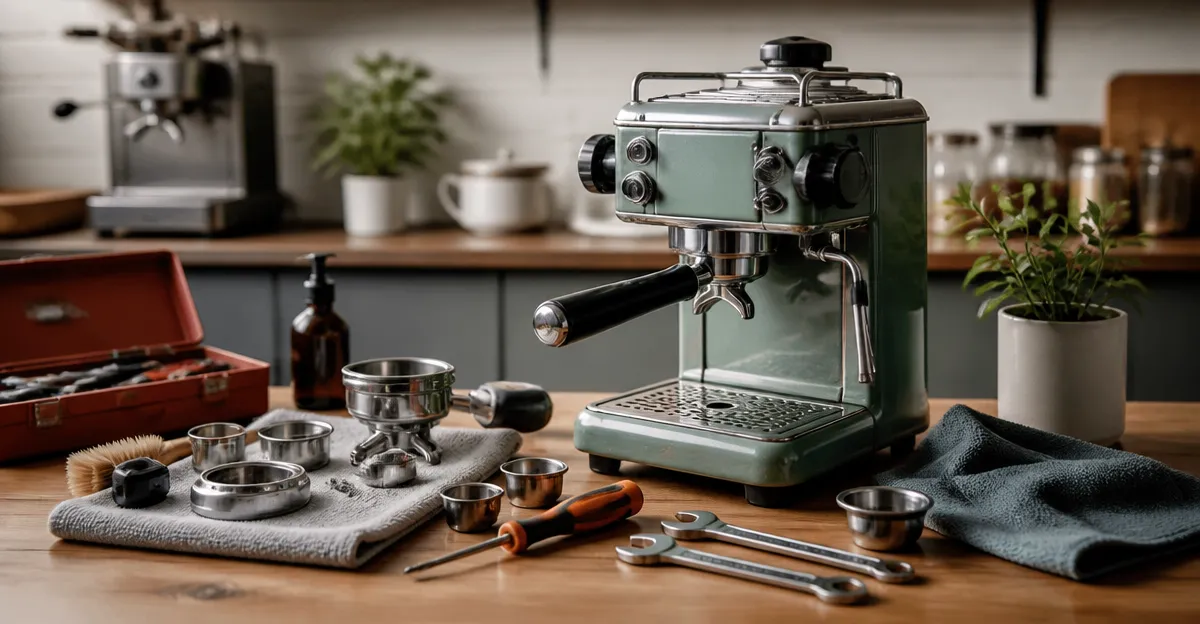
Restoring a vintage compact espresso machine can transform a kitchen countertop into a hub of artisanal coffee creation. This guide explains the full restoration process, from initial assessment to final calibration, while highlighting tools and reference books that simplify each step. Readers will learn how to diagnose common faults, safely disassemble components, apply effective cleaning techniques, and replace worn parts with confidence.
In addition, the article presents a curated selection of Amazon products that support the repair journey, such as instructional manuals and specialized cleaning supplies. By the end of the guide, one will possess a clear roadmap for bringing an aged espresso machine back to peak performance.
Background / Context
Vintage compact espresso machines were often built with robust brass boilers, simple lever mechanisms, and minimal electronic control. Their durability makes them attractive to collectors, yet age can introduce scale buildup, gasket wear, and electrical corrosion. Understanding the original design principles helps prevent damage during restoration.
Key terms include:
- Boiler scale: mineral deposits that reduce heating efficiency and can cause overheating.
- Gasket: a rubber or silicone seal that maintains pressure; it degrades over time.
- Thermostat: a temperature‑regulating component that may drift out of tolerance.
While many modern machines rely on digital displays, vintage models depend on mechanical precision. Consequently, manual adjustments and tactile feedback are essential skills for successful restoration.
Assessing the Machine
The first step is a thorough visual and functional inspection. Unplug the unit and examine the exterior for rust, cracked paint, or loose screws. Check the water reservoir for mineral stains and the portafilter for warped edges.
Next, power the machine briefly to listen for abnormal noises such as rattling pistons or humming relays. Record any error symptoms, as these will guide the disassembly plan.
For a deeper understanding of espresso preparation, the Espresso Recipe Book for Beginners offers barista‑tested recipes and clear ratios that illustrate how a well‑tuned machine should taste. This reference is valuable when testing the restored unit.
Disassembly and Cleaning
Begin by removing the outer housing using a Phillips screwdriver. Keep screws organized in a labeled tray to avoid confusion during reassembly. Once the boiler is exposed, detach the water inlet hose and drain any residual water.
Scale removal is critical. Prepare a solution of equal parts white vinegar and distilled water, then submerge the boiler (if removable) for 30 minutes. For non‑removable boilers, circulate the solution through the pump using the machine’s brew cycle.
After descaling, rinse thoroughly with fresh water to prevent acidic residue. Dry all metal parts with a lint‑free cloth. The Ultimate Espresso Machine Cookbook includes a chapter on cleaning protocols that complement the steps described here.
Repair and Replacement Parts
Inspect gaskets, O‑rings, and seals for cracks or brittleness. Replace them with silicone‑based equivalents that tolerate high temperatures. When sourcing parts, verify compatibility with the machine’s model number; many manufacturers still provide legacy components.
If the thermostat reads inaccurately, replace it with a calibrated unit. A digital multimeter can confirm electrical continuity before installation. For complex valve repairs, the Complete DIY Guide to Home Repair offers step‑by‑step diagrams that are applicable to espresso machine valve systems.
In rare cases where the pump has seized, consider a refurbished pump from a reputable vendor. Ensure the pump’s flow rate matches the original specifications to maintain proper pressure (typically 9‑15 bar for compact machines).
Reassembly and Calibration
Reattach the housing, ensuring all screws are tightened to manufacturer torque specifications (often 2‑3 Nm). Reconnect the water line and refill the reservoir with filtered water to reduce future scaling.
Power the machine and allow it to reach operating temperature. Perform a test brew without coffee to verify that water flows evenly and that the pressure gauge stabilizes within the target range. Adjust the pressure valve if necessary, following the manufacturer’s instructions.
Finally, prepare a shot using the Espresso Recipe Book for Beginners to evaluate taste quality. A balanced espresso should exhibit a rich crema, a smooth body, and a harmonious flavor profile.
Comparison / Selection Guide
When choosing supplemental tools for restoration, consider the following criteria:
- Material quality: Stainless‑steel tools resist corrosion and provide durability.
- Precision: Calibrated torque wrenches ensure screws are tightened correctly, preventing damage.
- Versatility: Multi‑size screwdriver sets reduce the need for multiple kits.
For a comprehensive reference that covers both coffee‑specific and general repair techniques, the Complete DIY Guide to Home Repair stands out with a 4.7/5 rating from 28 reviewers. Its clear instructions and preventive checklists make it a valuable companion for any DIY enthusiast.
While the How to Restore Antique Clocks focuses on timepieces, its detailed approach to delicate mechanisms and cleaning solutions can inspire meticulous handling of espresso machine internals. This book holds a 4.2/5 rating and is priced at $13.11.
Best Practices & Tips
- Always use filtered or distilled water to minimize mineral deposits.
- Document each disassembly step with photos; this simplifies reassembly.
- Test electrical components with a multimeter before reconnecting power.
- Apply a thin layer of food‑grade silicone grease to moving seals after cleaning.
- Store the machine in a dry environment to prevent corrosion of brass components.
Regular maintenance, such as monthly descaling and quarterly gasket inspection, extends the lifespan of vintage machines and preserves coffee quality.
Frequently Asked Questions
- What is the safest method to descale a non‑removable boiler?
- Run a vinegar‑water solution through the pump using the normal brew cycle, then flush with fresh water for at least three cycles.
- Can I use generic gaskets instead of brand‑specific ones?
- Yes, provided they are rated for temperatures up to 120 °C and match the original dimensions.
- How often should I replace the pump?
- For heavy home use, replace the pump every 3‑5 years, or when pressure drops below 8 bar despite cleaning.
- Is it necessary to calibrate the thermostat after cleaning?
- Calibration ensures accurate temperature control; use a calibrated thermometer to adjust the thermostat to 93 °C for espresso extraction.
- What tools are essential for a first‑time restoration?
- A set of precision screwdrivers, a multimeter, a torque wrench, and a non‑abrasive cleaning brush are the core tools.
Conclusion
Restoring a vintage compact espresso machine combines mechanical insight, careful cleaning, and the right reference materials. By following the systematic approach outlined above, one can revive a cherished appliance, achieve consistent espresso quality, and enjoy the satisfaction of a successful DIY project. The featured books and guides provide additional depth, ensuring that enthusiasts have reliable resources at every stage of the restoration.
Products Featured in This Guide
Espresso Recipe Book for Beginners
Price: Not listed | Rating: 5/5 (based on author rating)
Why featured: Provides barista‑tested recipes and clear ratios, essential for testing restored espresso machines and understanding optimal extraction.
Complete DIY Guide to Home Repair
Price: $25.97 | Rating: 4.7/5 (28 reviews)
Why featured: Offers step‑by‑step instructions and preventive checklists that translate directly to espresso machine valve and pump repairs.
How to Restore Antique Clocks
Price: $13.11 | Rating: 4.2/5 (3 reviews)
Why featured: Demonstrates meticulous cleaning and delicate mechanical work, mirroring the precision required for vintage espresso machine restoration.
Ultimate Espresso Machine Cookbook
Price: $13.49 | Rating: 4/5 (6 reviews)
Why featured: Supplies advanced espresso recipes and detailed cleaning chapters that complement the technical restoration process.