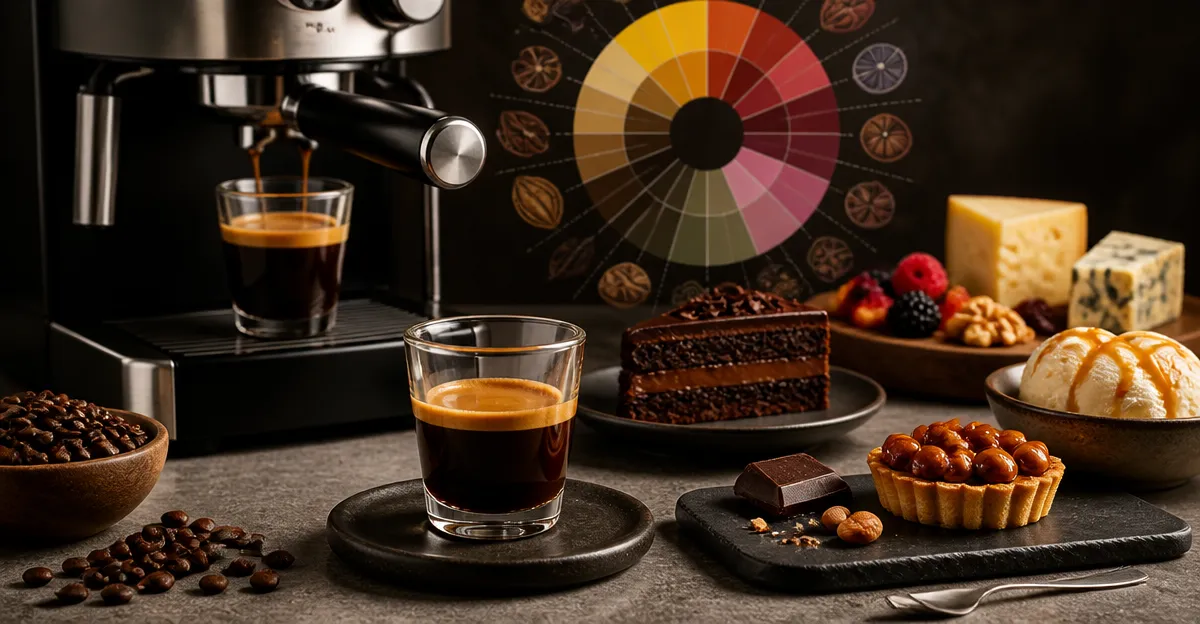
The Ultimate Guide to Pairing Food with Compact Espresso Shots (Ristretto & Short Shots)
Introduction
This guide explores the art and science of pairing food with compact espresso shots, specifically ristretto and short shots. Readers will learn the underlying flavor principles, discover practical pairing strategies, and understand how equipment influences the experience. The article also recommends two highly regarded espresso machines that excel in producing consistent short shots. By the end of the guide, one will be equipped to create harmonious tasting experiences at home or in a professional setting.
Background and Context
Ristretto, meaning "restricted" in Italian, is a concentrated espresso shot extracted with less water than a standard espresso, typically 15‑20 ml. A short shot, often measured at 20‑25 ml, shares the same extraction principles but offers slightly more volume, providing a bridge between ristretto and traditional espresso. Both formats deliver higher coffee‑to‑water ratios, resulting in intensified aromatics, reduced bitterness, and a silky mouthfeel.
Understanding the chemistry of coffee extraction is essential for successful pairings. During extraction, soluble compounds such as acids, sugars, and oils dissolve at different rates. Shorter extractions preserve bright acidity and nuanced fruit notes while limiting the release of harsher bitter compounds. Consequently, foods that complement acidity, delicate sweetness, or creamy texture tend to pair best with ristretto and short shots.
In addition to the coffee itself, the brewing equipment plays a pivotal role. Consistent temperature control, precise grind dosing, and adequate pressure ensure repeatable short shots. Two machines that embody these qualities are the Breville Barista Express and the Grindora 20-Bar Espresso Machine. Their specifications will be examined in later sections.
Key Concepts for Successful Pairings
When pairing food with ristretto or short shots, consider the following four pillars: intensity, acidity, texture, and flavor echo.
- Intensity: Match the coffee’s concentration with the food’s body. Light pastries complement the intensity, while richer desserts can stand up to the boldness of a short shot.
- Acidity: Ristretto often showcases bright citric or fruity acidity. Pair with foods that either balance acidity (e.g., buttery croissants) or mirror it (e.g., citrus‑infused desserts).
- Texture: The velvety mouthfeel of a short shot pairs well with creamy or smooth foods, creating a cohesive tactile experience.
- Flavor Echo: Seek overlapping flavor notes, such as chocolate, caramel, or berry, to reinforce the coffee’s profile.
Applying these pillars systematically leads to pairings that feel intentional rather than accidental.
Food Pairing Categories
The following categories illustrate practical applications of the pillars. Each category includes specific examples and brief rationale.
1. Pastries and Baked Goods
- Almond Croissant: The buttery layers soften the espresso’s intensity while the almond’s nutty sweetness echoes the coffee’s caramel notes.
- Dark Chocolate Biscotti: The biscotti’s crunchy texture contrasts the smooth shot, and the dark chocolate amplifies the espresso’s inherent bitterness in a balanced way.
- Fruit‑Topped Scones: Fresh berries introduce acidity that mirrors the ristretto’s bright citrus tones.
2. Cheeses
- Mascarpone: Its creamy richness mirrors the shot’s silkiness, allowing the coffee’s subtle fruit notes to shine.
- Aged Gouda: The nutty, caramelized flavors of Gouda complement the espresso’s roasted depth without overwhelming the palate.
- Goat Cheese with Herbs: The tangy acidity of goat cheese balances the coffee’s brightness, while herbs add a fragrant dimension.
3. Savory Small Plates
- Prosciutto‑Wrapped Melon: Sweet melon offsets the espresso’s acidity, and the salty prosciutto adds a savory counterpoint.
- Mini Avocado Toast: Creamy avocado provides texture harmony, while toasted sourdough introduces a subtle crunch.
- Spiced Nut Mix: Warm spices such as cinnamon and cardamom echo the coffee’s inherent spice notes.
Equipment Recommendations
Achieving consistent ristretto and short shots requires precise control over grind size, dose, temperature, and pressure. The following machines excel in these areas.
Breville Barista Express
The Breville Barista Express integrates a conical burr grinder with dose‑control technology, allowing users to grind on demand directly into the portafilter. Its digital temperature control (PID) maintains water at the optimal extraction temperature, while low‑pressure pre‑infusion ensures even flavor extraction. Key specifications include:
- Integrated precision conical burr grinder with adjustable grind size.
- PID temperature control for accurate water temperature.
- Low‑pressure pre‑infusion for balanced extraction.
- Price: $674.99
- Rating: 4.5/5.0 (27,623 reviews)
This machine is ideal for users who desire an all‑in‑one solution and appreciate the ability to fine‑tune grind and dose for consistent short shots.
Grindora 20-Bar Espresso Machine
The Grindora 20‑Bar Espresso Machine offers 44 grind settings and a 0.1‑second precision timer, providing granular control over dose. Its PID temperature control features three selectable temperature levels (194°F, 198°F, 205°F), allowing users to match the brewing temperature to specific bean profiles. Additional advantages include anti‑static grinding technology for a cleaner workspace and a built‑in milk frother for latte‑style beverages. Key specifications include:
- 44 grind settings with 0.1 s precision dosing.
- PID temperature control with three temperature options.
- 20‑bar pressure system with pre‑infusion.
- Anti‑static grinder for reduced mess.
- Price: $249.99
- Rating: 4.7/5.0 (33 reviews)
This model suits budget‑conscious enthusiasts who value extensive grind customization and reliable temperature stability.
Comparison and Selection Guide
Choosing the right espresso machine depends on three primary factors: budget, desired level of control, and workflow preferences. The table below contrasts the two featured machines across these dimensions.
| Feature | Breville Barista Express | Grindora 20‑Bar Espresso Machine |
|---|---|---|
| Price | $674.99 | $249.99 |
| Grind Settings | Integrated conical burr with adjustable range | 44 precise settings + 0.1 s dosing timer |
| Temperature Control | PID with single temperature target | PID with three selectable temperatures |
| Pressure | 15‑Bar pump with low‑pressure pre‑infusion | 20‑Bar pump with pre‑infusion |
| Additional Features | Integrated grinder, dose control, stainless‑steel build | Anti‑static grinder, built‑in milk frother, compact footprint |
| Ratings | 4.5/5.0 (27,623 reviews) | 4.7/5.0 (33 reviews) |
For users who prioritize an all‑in‑one design and are willing to invest more, the Breville Barista Express delivers robust build quality and reliable performance. For those seeking extensive grind precision at a lower price point, the Grindora machine offers superior customization and a strong rating despite its newer market presence.
Best Practices & Tips for Pairing
- Calibrate Your Shot Volume: Use a scale to measure 15‑20 g of coffee and target 15‑20 ml of liquid for a true ristretto. Consistency ensures repeatable flavor profiles for pairing.
- Match Acidity Levels: Pair high‑acid coffees (e.g., Ethiopian Yirgacheffe) with foods that have complementary acidity such as citrus‑glazed pastries or goat cheese.
- Consider Sweetness Balance: A short shot’s natural sweetness can be highlighted by desserts containing caramel, honey, or dark chocolate, creating a harmonious sweet‑bitter interplay.
- Use Texture to Complement Mouthfeel: Pair the velvety texture of a ristretto with creamy foods (e.g., mascarpone mousse) to enhance the overall sensory experience.
- Experiment with Temperature: Slightly cooler short shots (80‑85 °C) can reduce perceived bitterness, allowing subtle fruit notes to emerge when paired with delicate pastries.
- Document Your Pairings: Keep a tasting journal noting coffee origin, shot parameters, and food pairing outcomes. Over time, patterns will emerge that guide future selections.
Frequently Asked Questions
1. What is the difference between a ristretto and a short espresso?
A ristretto is extracted with less water (approximately 15 ml) and often uses the same coffee dose as a standard espresso, resulting in a higher concentration. A short espresso, sometimes called a “short shot,” typically yields 20‑25 ml, offering a slightly larger volume while maintaining a concentrated flavor.
2. Can I use pre‑ground coffee for consistent short shots?
While pre‑ground coffee can be used, consistency suffers because grind size may vary between batches. An integrated grinder, such as that found in the Breville Barista Express, ensures uniform particle size and dose control, which are critical for repeatable ristretto extraction.
3. How does water temperature affect a ristretto?
Water temperature influences the solubility of coffee compounds. Lower temperatures (around 194‑198°F) accentuate acidity and fruit notes, while higher temperatures (up to 205°F) increase extraction of body and bitterness. Machines with PID control, like the Grindora 20‑Bar Espresso Machine, allow precise temperature selection.
4. Should I pair sweet or savory foods with a ristretto?
Both sweet and savory pairings can succeed, provided the chosen food aligns with the intensity and acidity pillars. Sweet items should complement the coffee’s natural sweetness, while savory foods should balance acidity or provide textural contrast.
5. How often should I clean the grinder to maintain flavor integrity?
Regular cleaning prevents oil buildup that can stale coffee flavors. The Grindora model includes an anti‑static system and a bean‑hopper air blower that facilitate daily cleaning, while the Breville machine benefits from a weekly brush‑out of the burrs and portafilter.
6. Is a 20‑bar pump necessary for short shots?
A 20‑bar pump provides ample pressure to achieve proper extraction, especially when using fine grind settings for ristretto. Both featured machines exceed the minimum 9‑bar pressure required for espresso, ensuring sufficient force for compact shots.
7. Can I use the milk frother when serving a ristretto?
Yes, adding a small amount of micro‑foam creates a “ristretto macchiato,” which pairs beautifully with buttery pastries. The frother on the Grindora machine delivers fine, velvety foam suitable for such applications.
Conclusion
Pairing food with ristretto and short espresso shots demands an understanding of coffee chemistry, thoughtful selection of complementary flavors, and reliable equipment. By applying the intensity, acidity, texture, and flavor‑echo pillars, one can craft memorable tasting experiences. The Breville Barista Express and the Grindora 20‑Bar Espresso Machine each provide the precision needed to produce consistent short shots, empowering enthusiasts to explore a wide array of pairings with confidence.
Products Featured in This Guide
Breville Barista Express
Price: $674.99
Rating: 4.5/5.0 (27,623 reviews)
Featured because its integrated conical burr grinder and PID temperature control deliver the precision required for consistent ristretto and short shots, making it an excellent choice for serious home baristas.
Grindora 20‑Bar Espresso Machine
Price: $249.99
Rating: 4.7/5.0 (33 reviews)
Featured because its 44 grind settings, 0.1‑second dosing precision, and multi‑level PID temperature control provide exceptional flexibility for crafting short shots on a budget.