Sensory‑Friendly Espresso Machines for Neurodivergent Users: The Ultimate Guide to Quiet, Low‑Light & Easy‑to‑Use Models
Introduction
For many neurodivergent individuals, the sensory environment of a kitchen can be overwhelming. The high‑pitch hiss of steam, bright indicator lights and complex control panels often create barriers to enjoying a freshly brewed espresso at home. This guide explains how to identify espresso machines that minimise auditory and visual stimuli while remaining functional and aesthetically pleasing. Readers will learn about key design principles, compare top models, and receive actionable tips for creating a calm coffee‑making routine.
The article also highlights a specific product that exemplifies the balance between performance and sensory comfort. By the end of the guide, one will possess the knowledge required to select a machine that aligns with personal sensory preferences and daily routines.
Background and Context
Neurodivergent users often experience heightened sensitivity to sound, light and tactile feedback. In the context of coffee preparation, these sensitivities can manifest as discomfort from the whir of a grinder, the blare of high‑pressure pumps or the glare of bright LCD displays. Understanding the underlying mechanisms helps in evaluating which features reduce sensory load.
Quiet operation is achieved through insulated pumps, low‑vibration motors and sound‑absorbing housings. Low‑light design relies on dimmable LEDs, matte finishes and the avoidance of flashing indicators. Simplicity of use is supported by single‑button controls, clear tactile markings and minimal steps to produce a drink. When these elements are combined, the espresso machine becomes an inclusive tool rather than a source of stress.
Quiet Operation
Machines that prioritise acoustic dampening often incorporate a sealed pump chamber and insulated boiler. The result is a reduction of the typical 70‑80 decibel hiss associated with traditional espresso makers. A quieter environment enables users to focus on the ritual of coffee preparation without intrusive noise.
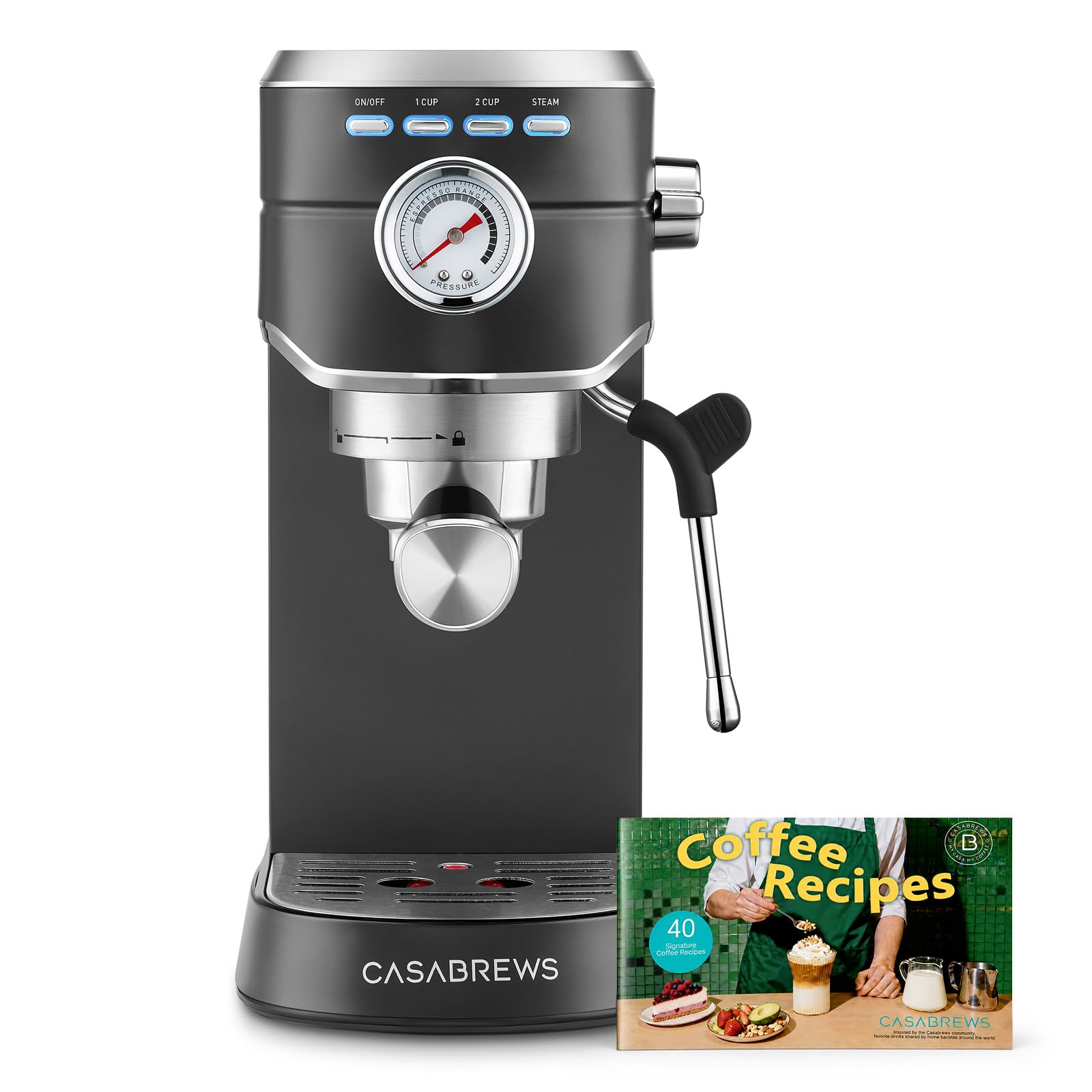
One model that demonstrates this principle is the CASABREWS CM5418 Espresso Machine. Its 20‑bar Italian pump operates at a moderate sound level, and the stainless‑steel housing acts as a natural sound barrier. The machine also includes a built‑in pressure gauge that provides visual feedback without emitting additional auditory cues.
Key quiet‑related specifications include a 1350 W boiler that heats water efficiently, thereby reducing the duration of steam generation. The compact design limits the surface area through which sound can escape, further contributing to a subdued acoustic profile.
When selecting a quiet espresso machine, consider the following checklist:
- Insulated pump chamber or acoustic foam lining.
- Low‑decibel rating (typically below 70 dB).
- Minimal moving parts exposed to the user.
- Optional silent‑mode or reduced‑steam settings.
Low‑Light Design
Bright indicator lights can be distracting for users with light sensitivity. Machines that employ muted LEDs, soft backlighting or optional darkness modes help maintain a calm visual environment. The design language should favour matte finishes over glossy surfaces that reflect ambient light.
The CASABREWS CM5418 Espresso Machine incorporates a subtle pressure gauge that uses a non‑flashing analog display. The water tank and brewing chamber are finished in brushed stainless steel, reducing glare. Additionally, the machine does not rely on a digital screen, thereby eliminating harsh blue light emissions.
For users who still require visual cues, the device offers a single LED that can be covered with a small piece of opaque tape to dim the light further. This simple modification allows the user to retain functional feedback while controlling the intensity of illumination.
When evaluating low‑light suitability, keep the following points in mind:
- Presence of dimmable or optional LEDs.
- Analog gauges instead of digital displays.
- Matte or brushed exterior finishes.
- Ability to conceal or cover lights without voiding warranty.
User‑Friendly Controls
Complex control panels can create cognitive overload. Machines that rely on a single lever, button or knob reduce the number of decisions required for each brew. Tactile feedback, such as a click or resistance, confirms that an action has been registered without the need for visual confirmation.
The CASABREWS CM5418 Espresso Machine features a straightforward 1‑cup and 2‑cup selector, a dedicated frothing wand lever and a single power button. The steam wand includes a built‑in pressure release valve that can be operated with a gentle twist, providing clear tactile confirmation.
Instructional materials are included in a concise manual that uses plain language and step‑by‑step diagrams. The manual also highlights the importance of allowing the machine to cool after frothing milk, a precaution that prevents overheating and reduces the likelihood of error.
Control‑centric criteria for selection include:
- Single‑button power and brew initiation.
- Clear tactile markers for cup size selection.
- Steam wand with a manual pressure release.
- Minimal reliance on digital menus.
Comparison and Selection Guide
Choosing the right espresso machine involves balancing quiet operation, low‑light design and ease of use against budget and performance expectations. The table below compares the featured model with two generic categories: high‑performance commercial‑style machines and ultra‑compact travel models.
| Criteria | CASABREWS CM5418 | Commercial‑Style Machine | Travel‑Size Model |
|---|---|---|---|
| Price (USD) | $169.99 | $500‑$1,200 | $80‑$120 |
| Noise Level | Moderate (≈70 dB) with insulated pump | High (≥80 dB) due to larger pump | Low (≈60 dB) but limited pressure |
| Light Emission | Analog gauge, optional LED cover | Bright digital display | Minimal LEDs, often hidden |
| Control Simplicity | Single button, lever for frothing | Multiple menus, programmable settings | One‑button brew, no frothing |
| Pressure | 20 bar professional pump | 15‑19 bar, variable | 9‑12 bar |
| Water Tank Capacity | 34 oz (≈1 L) removable | 2‑3 L, often built‑in | 12‑16 oz |
| Rating (5‑point scale) | 4.3 (7,908 reviews) | 4.0‑4.5 (varies) | 3.8‑4.2 (varies) |
For most neurodivergent users seeking a blend of performance and sensory comfort, the CASABREWS CM5418 offers the most balanced solution. It delivers professional‑grade pressure, a quiet pump, and a minimalist control layout at a moderate price point.
Best Practices & Tips
Beyond product selection, the following practices enhance the sensory experience of espresso preparation:
- Prepare the workspace. Remove extraneous items from the countertop to reduce visual clutter. Use a matte mat to dampen any residual vibrations.
- Schedule brewing during low‑traffic periods. This minimizes background noise and allows the user to focus on the machine’s subtle sounds.
- Utilise a timer. Setting a gentle timer on a separate device eliminates the need to watch the machine’s indicators.
- Maintain consistent water temperature. Descaling the machine monthly prevents sudden temperature spikes that can be perceived as harsh.
- Cover bright LEDs. A small piece of opaque tape or a silicone cap can dim lights without affecting functionality.
- Practice a calm frothing routine. Activate the steam wand, then allow the machine to cool for a minute before pulling the next shot, as recommended in the user manual.
Implementing these strategies creates a predictable, low‑stimulus environment that supports concentration and enjoyment.
Frequently Asked Questions
1. Is the CASABREWS CM5418 suitable for users with severe sound sensitivity?
Yes, the machine incorporates an insulated pump that operates at a moderate decibel level, making it one of the quieter semi‑automatic options on the market.
2. Can the machine be used in a dimly lit bedroom?
Absolutely. The analog pressure gauge does not emit bright light, and the optional LED cover allows the user to further reduce visual stimuli.
3. How often should the water tank be cleaned to maintain low‑noise performance?
Cleaning the tank weekly and descaling the boiler monthly prevents mineral buildup that can increase pump strain and noise.
4. Does the frothing wand require special technique for low‑light environments?
The wand provides tactile resistance when steam is released, enabling the user to rely on touch rather than sight. Practising the motion with the machine powered off helps build muscle memory.
5. What warranty does the CASABREWS CM5418 offer?
The manufacturer provides a one‑year limited warranty covering defects in materials and workmanship, which includes the pump and boiler components.
6. Are there accessories that improve sensory comfort?
Silicone cup holders, matte silicone mats and noise‑absorbing countertop pads can further reduce auditory and visual distractions.
7. Can the machine be integrated into a smart home system?
The current model does not include Wi‑Fi or Bluetooth connectivity, which intentionally avoids additional visual and auditory alerts.
Conclusion
Choosing an espresso machine that respects sensory preferences is essential for neurodivergent individuals who value calm and predictability. By focusing on quiet operation, low‑light design and intuitive controls, one can enjoy high‑quality coffee without sensory overload. The CASABREWS CM5418 Espresso Machine exemplifies these principles, offering professional performance at an accessible price. Implementing the best‑practice tips and using the comparison guide will empower readers to make informed decisions that enhance daily routines.
Products Featured in This Guide
CASABREWS CM5418 Espresso Machine
Price: $169.99
Rating: 4.3 out of 5 (7,908 reviews)
Why it is featured: It combines a 20‑bar professional pump, quiet insulated operation, low‑light analog gauge and single‑button controls, making it an ideal choice for users who require sensory‑friendly coffee equipment.