Introduction
Starting a coffee business from the comfort of one’s home has become a realistic ambition for many aspiring entrepreneurs. This guide explains the legal requirements, operational steps, and equipment considerations needed to sell coffee legally and profitably. Readers will learn how to obtain permits, maintain health standards, and select a compact espresso machine that matches their budget and production goals. By the end of this article, one will have a clear roadmap from concept to the first cup sold.
Background and Context
Home‑based food enterprises have grown alongside the rise of e‑commerce platforms and local delivery services. Governments have responded by creating clear frameworks that protect public health while encouraging small‑scale entrepreneurship. Understanding these frameworks is essential because non‑compliance can result in fines, business closure, or loss of consumer trust. Additionally, the quality of the coffee produced is directly linked to the capabilities of the espresso machine used, making equipment selection a strategic decision.
Compact espresso machines are designed for limited countertop space yet deliver café‑grade pressure, temperature stability, and milk frothing functionality. They enable home operators to produce espresso, cappuccino, latte, and other specialty drinks without the footprint of a commercial‑grade unit. The three products highlighted in this guide represent a spectrum of price points and feature sets, allowing readers to align equipment with their business model.
Legal Requirements for Selling Coffee from Home
Before any beans are ground, one must secure the appropriate permits. The first step is to register the home‑based business with the local city or county clerk’s office, which typically involves filing a “Doing Business As” (DBA) name and paying a modest filing fee. Next, a food‑handling permit must be obtained from the local health department; this permit confirms that the preparation area meets sanitation standards and that the operator has completed a certified food‑safety course.
Many jurisdictions require a separate home‑occupancy permit when commercial activity occurs on residential property. This permit ensures that increased foot traffic, signage, and storage of inventory do not violate zoning regulations. Additionally, if the coffee will be sold online or delivered, a sales‑tax permit is necessary to collect and remit state sales tax on each transaction.
Compliance with the Food Safety Modernization Act (FSMA) is also advisable, even for small operations. The act emphasizes preventive controls such as proper temperature control, allergen labeling, and record‑keeping of ingredient sourcing. Maintaining a log of cleaning schedules, equipment maintenance, and batch production helps demonstrate compliance during health inspections.
Choosing a Compact Espresso Machine
The espresso machine is the heart of a home coffee business, and its specifications influence product consistency, speed, and cost. When evaluating machines, consider pressure (measured in bars), heating power (watts), water‑tank capacity, milk‑frothing capability, and ease of cleaning. Below is a comparison of three models that meet different budget and performance criteria.
| Model | Pressure | Power | Water Tank | Milk Frother | Price | Rating |
|---|---|---|---|---|---|---|
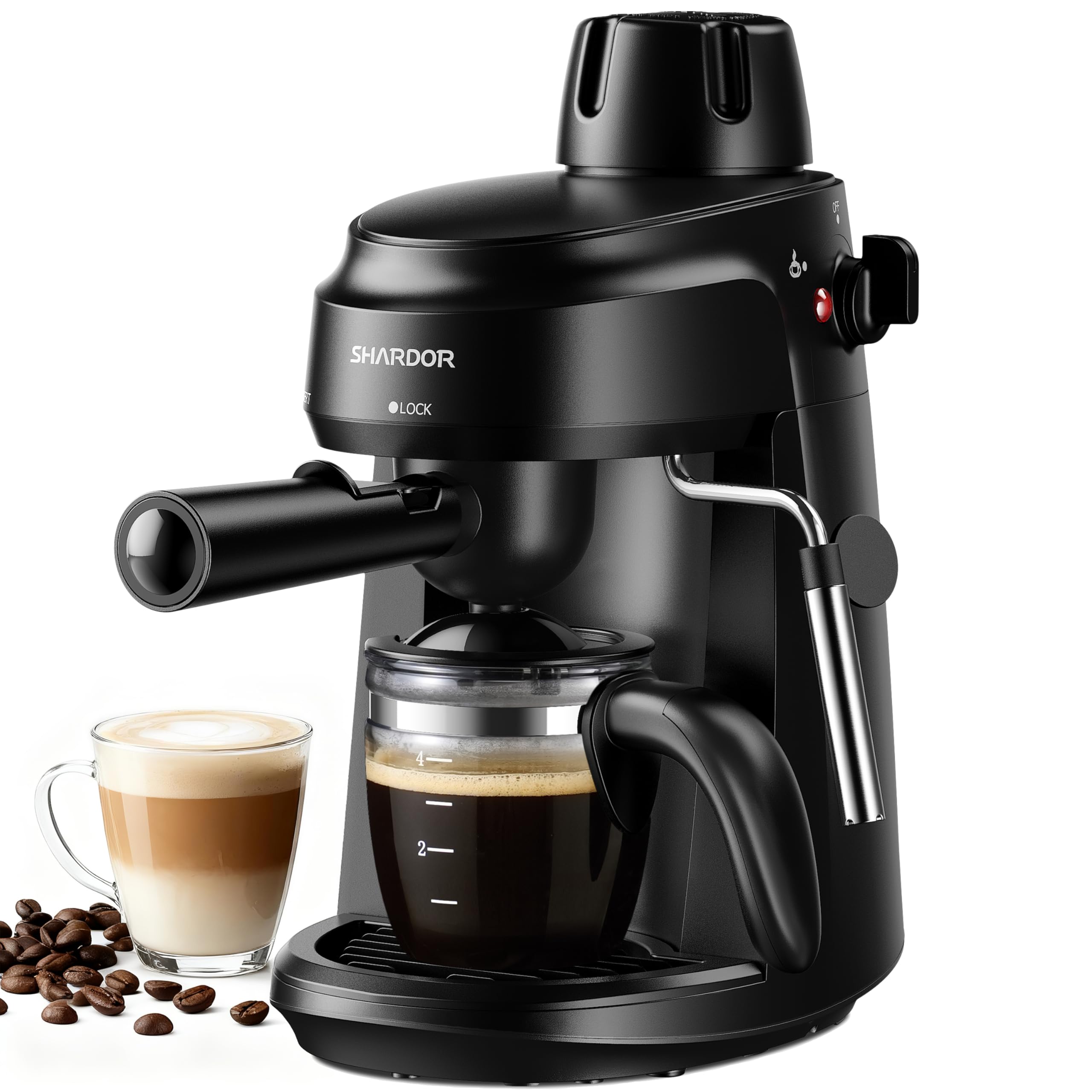
| SHARDOR Espresso Maker | 3.5 bar | 800 W | Not specified (compact) | Adjustable steam wand | $44.99 | 4.3/5 (14 reviews) |
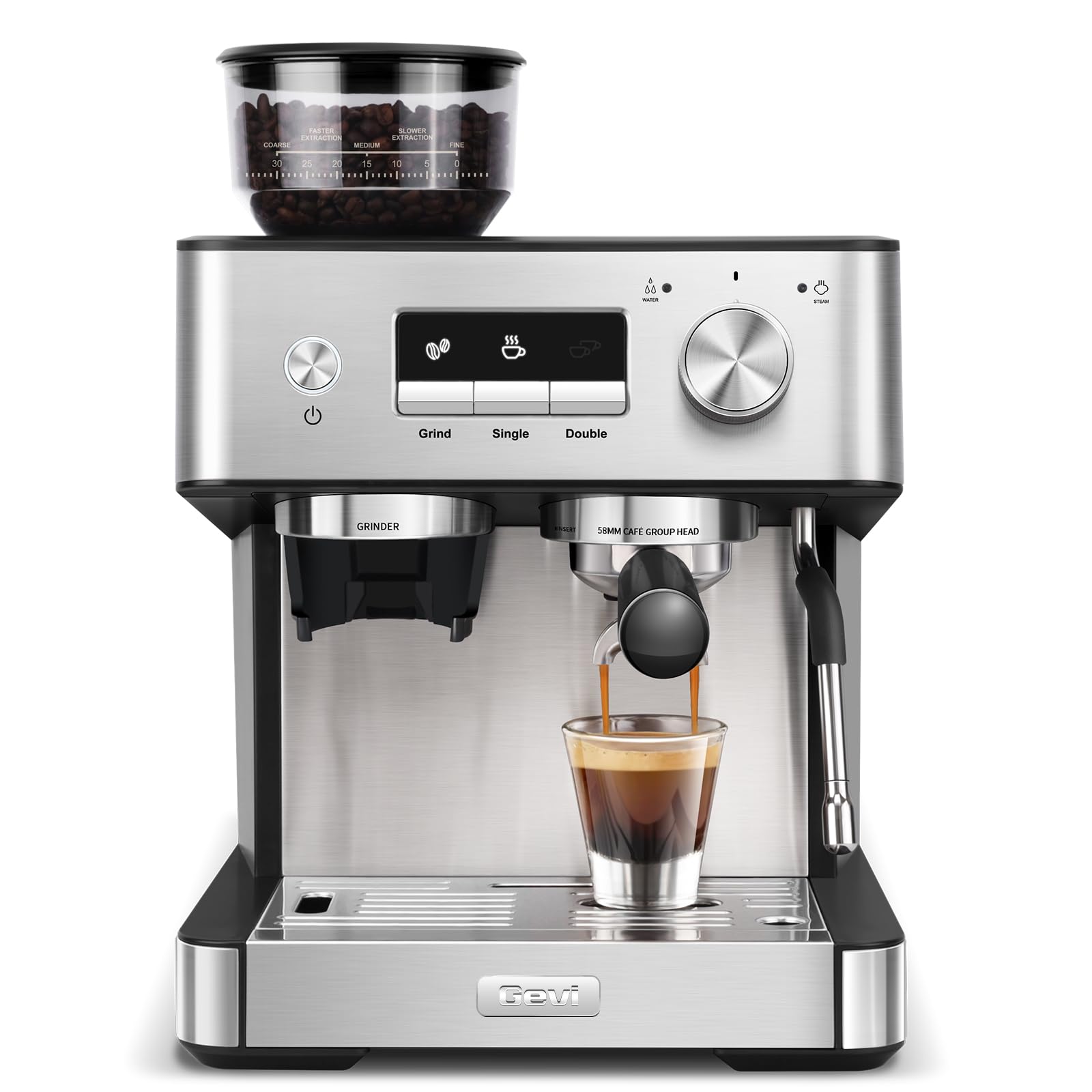
| Gevi Espresso Machine | 20 bar | Not specified (high‑performance) | Removable tank (capacity not listed) | High‑pressure steam wand | $287.98 | 4.5/5 (1,582 reviews) |
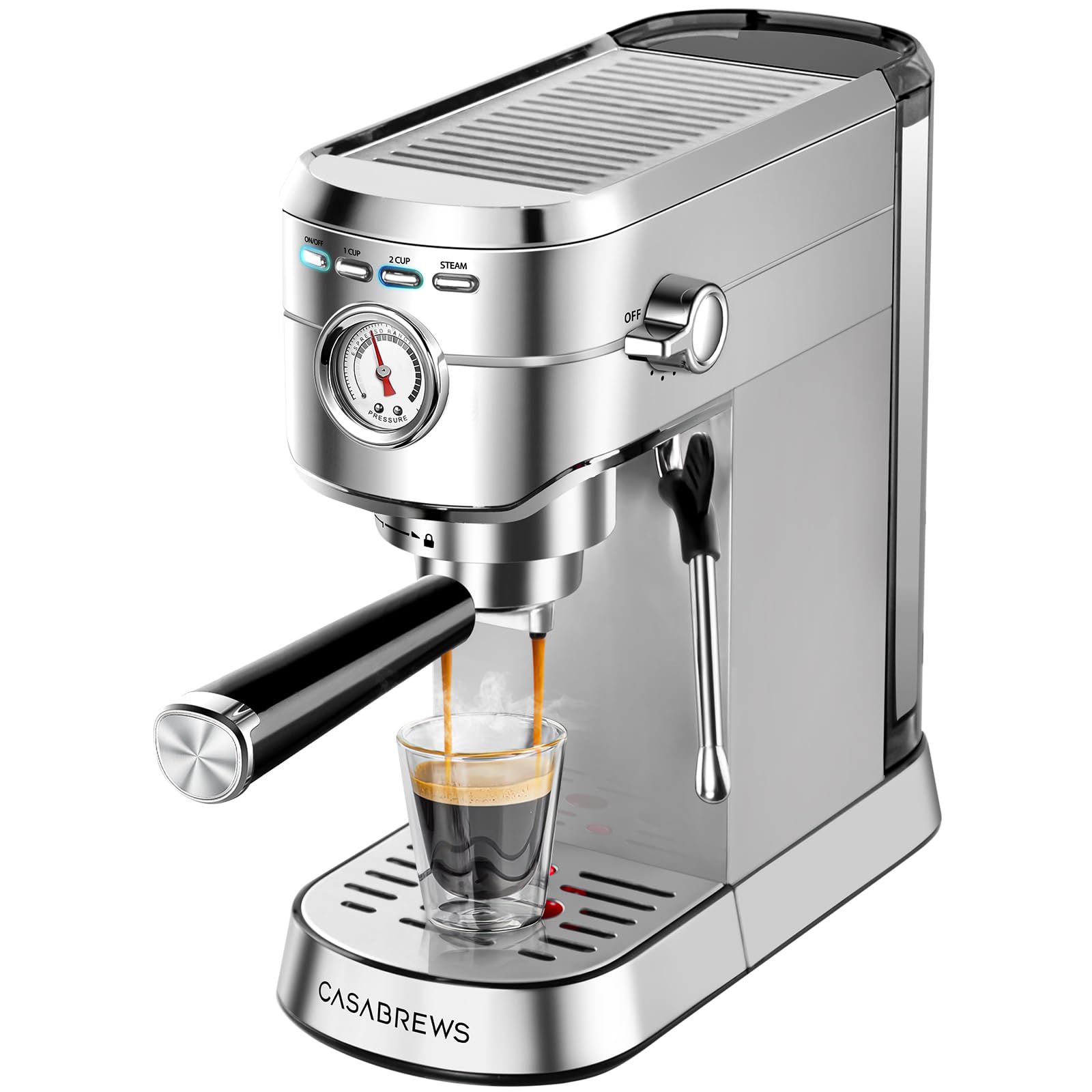
| CASABREWS Espresso Maker | 20 bar | 1350 W | 34 oz removable | Powerful steam wand | $139.99 | 4.4/5 (7,743 reviews) |
For entrepreneurs who are testing the market with limited capital, the SHARDOR Espresso Maker provides a reliable 3.5‑bar system, fast heating, and an intuitive one‑knob control. Its compact dimensions (11.8” H × 8.3” D × 6” W) fit comfortably on a kitchen countertop or a small home office desk.
When higher volume and barista‑grade extraction are required, the Gevi Espresso Machine offers a 20‑bar pump, built‑in conical burr grinder, and precise temperature control via NTC & PID sensors. The integrated grinder eliminates the need for a separate grinder, streamlining workflow and reducing countertop clutter.
The CASABREWS Espresso Maker balances power and price, delivering 20‑bar pressure, a 1350‑W boiler, and a 34‑oz removable water tank that supports multiple servings without frequent refills. Its stainless‑steel construction adds durability for daily commercial use.
Step‑by‑Step Guide to Launching Your Home Coffee Business
Step 1: Secure Permits and Set Up a Dedicated Workspace. After obtaining the business registration, food‑handling, and home‑occupancy permits, designate a single area of the kitchen for coffee preparation. This area should be kept separate from personal food storage to avoid cross‑contamination. Install a small countertop shelf for the espresso machine, a scale for measuring beans, and a refrigeration unit for milk.
Step 2: Choose the Right Espresso Machine. Refer to the comparison table above and select a model that aligns with projected sales volume. For a start‑up expecting fewer than 20 drinks per day, the SHARDOR model is sufficient. For a target of 50‑100 drinks per day, the Gevi or CASABREWS models provide the necessary pressure and water capacity.
Step 3: Source High‑Quality Beans and Milk. Establish relationships with local roasters who can provide freshly roasted beans on a weekly basis. Fresh beans retain aromatic compounds that degrade after 2‑3 weeks. For milk, choose pasteurized whole milk or alternative plant‑based milks that froth well, such as oat or almond milk.
Step 4: Develop a Standardized Recipe Sheet. Document the grind size, dose (grams of coffee), tamp pressure, brew time, and milk‑steaming temperature for each beverage. Consistency is essential for brand reputation and for meeting health‑department expectations regarding ingredient labeling.
Step 5: Implement Hygiene Protocols. Clean the espresso machine’s group head, steam wand, and portafilter after each use with a food‑grade cleaner. Follow the manufacturer’s recommended descaling schedule—typically every 30 days for the SHARDOR and CASABREWS models, and every 15 days for the Gevi due to its higher boiler temperature.
Step 6: Set Up an Ordering and Delivery System. Use an online platform such as a simple Shopify store, a local marketplace, or a social‑media page with integrated payment options. Clearly display the price per beverage, any additional fees for delivery, and the estimated preparation time.
Step 7: Market Your Home‑Based Coffee Brand. Emphasize the artisanal nature of the product, the convenience of local delivery, and any unique flavor profiles (e.g., single‑origin beans). Leverage Instagram and TikTok to showcase latte art created with the machine’s steam wand, which can attract visual‑driven customers.
Best Practices & Tips for Ongoing Success
- Maintain a temperature log for the boiler and steam wand; fluctuations can affect crema formation and milk texture.
- Rotate bean varieties every month to keep the menu fresh and to test customer preferences.
- Invest in a high‑quality tamper and a calibrated scale; even a 0.5 g variance in dose can alter extraction.
- Schedule quarterly health‑department inspections voluntarily; proactive compliance demonstrates professionalism.
- Offer a loyalty program (e.g., a digital punch card) to encourage repeat purchases and word‑of‑mouth referrals.
Frequently Asked Questions
- Do I need a separate commercial kitchen license? In most U.S. jurisdictions, a home‑based food business operates under a cottage‑food license rather than a full commercial kitchen permit, provided the sales are limited to non‑hazardous items and the preparation area meets health‑department standards.
- Can I sell coffee by the pound for customers to brew at home? Yes, but you must label the packaging with the ingredient list, net weight, and any allergen warnings. The same food‑handling permit applies.
- How often should I descale my espresso machine? For machines using hard water, descale every 30 days with a citric‑acid solution. The Gevi model’s higher boiler temperature may require more frequent descaling to prevent mineral buildup.
- Is it legal to use a personal credit card for business transactions? It is permissible, but separating personal and business finances simplifies accounting and tax reporting. Consider obtaining a business debit or credit card.
- What insurance do I need? General liability insurance protects against claims of bodily injury or property damage. Product liability insurance is advisable if you sell pre‑packaged coffee beans.
- Can I operate the business in a rented apartment? Review the lease agreement and local zoning laws; many landlords prohibit commercial activity, even on a small scale.
- How can I ensure consistent milk froth? Use fresh, cold milk and purge the steam wand before frothing. The SHARDOR and CASABREWS models provide adjustable steam pressure, while the Gevi’s high‑pressure wand creates micro‑foam more quickly.
Conclusion
Launching a coffee business from home is attainable when legal requirements are met, a reliable espresso machine is selected, and operational best practices are followed. By securing the necessary permits, maintaining rigorous hygiene standards, and choosing equipment that matches production goals, one can deliver café‑quality beverages to local customers while building a reputable brand. The steps outlined in this guide provide a comprehensive framework that transforms a passion for coffee into a sustainable home‑based enterprise.
Products Featured in This Guide
SHARDOR Espresso Maker
Price: $44.99
Rating: 4.3/5 (14 reviews)
Featured because it offers an affordable entry point with fast 800 W heating, 3.5‑bar pressure, and an intuitive one‑knob control, making it ideal for startups testing the market.
Gevi Espresso Machine
Price: $287.98
Rating: 4.5/5 (1,582 reviews)
Featured for its built‑in conical burr grinder, 20‑bar professional pump, and precise NTC & PID temperature control, which together support higher‑volume, barista‑grade production.
CASABREWS Espresso Maker
Price: $139.99
Rating: 4.4/5 (7,743 reviews)
Featured because it combines 20‑bar pressure, a powerful 1350 W boiler, and a 34‑oz removable water tank, offering a balance of performance and affordability for growing home coffee businesses.