
Compact Espresso Machine Teardown: Step‑by‑Step DIY Guide to Diagnosing and Fixing Common Faults
Introduction
This guide explains how to safely disassemble, diagnose, and repair the most frequent problems that affect compact espresso machines. Readers will learn essential terminology, systematic troubleshooting methods, and when to apply specific replacement parts. The article also recommends affordable, high‑rating products that simplify the repair process while maintaining café‑quality results.
Background and Context
Compact espresso machines combine a pump, heating element, boiler, and steam wand within a limited footprint. The pump typically delivers 15‑20 bar of pressure, which is essential for extracting a balanced shot. Temperature stability is often achieved with a PID controller that reduces thermal drift. Understanding how these subsystems interact is crucial before any teardown begins.
Key components include the group head gasket, the shower screen, the pressure gauge, and the steam wand valve. Wear, mineral buildup, or improper sealing can cause leaks, weak pressure, or inconsistent temperature. Regular maintenance prolongs machine life, but occasional component failure requires a more thorough inspection.
Preparing for the Teardown
Before removing any part, disconnect the machine from the power outlet and allow it to cool completely. Drain the water reservoir, then remove the drip tray and any detachable accessories. Keep a small container nearby to catch residual water from the boiler.
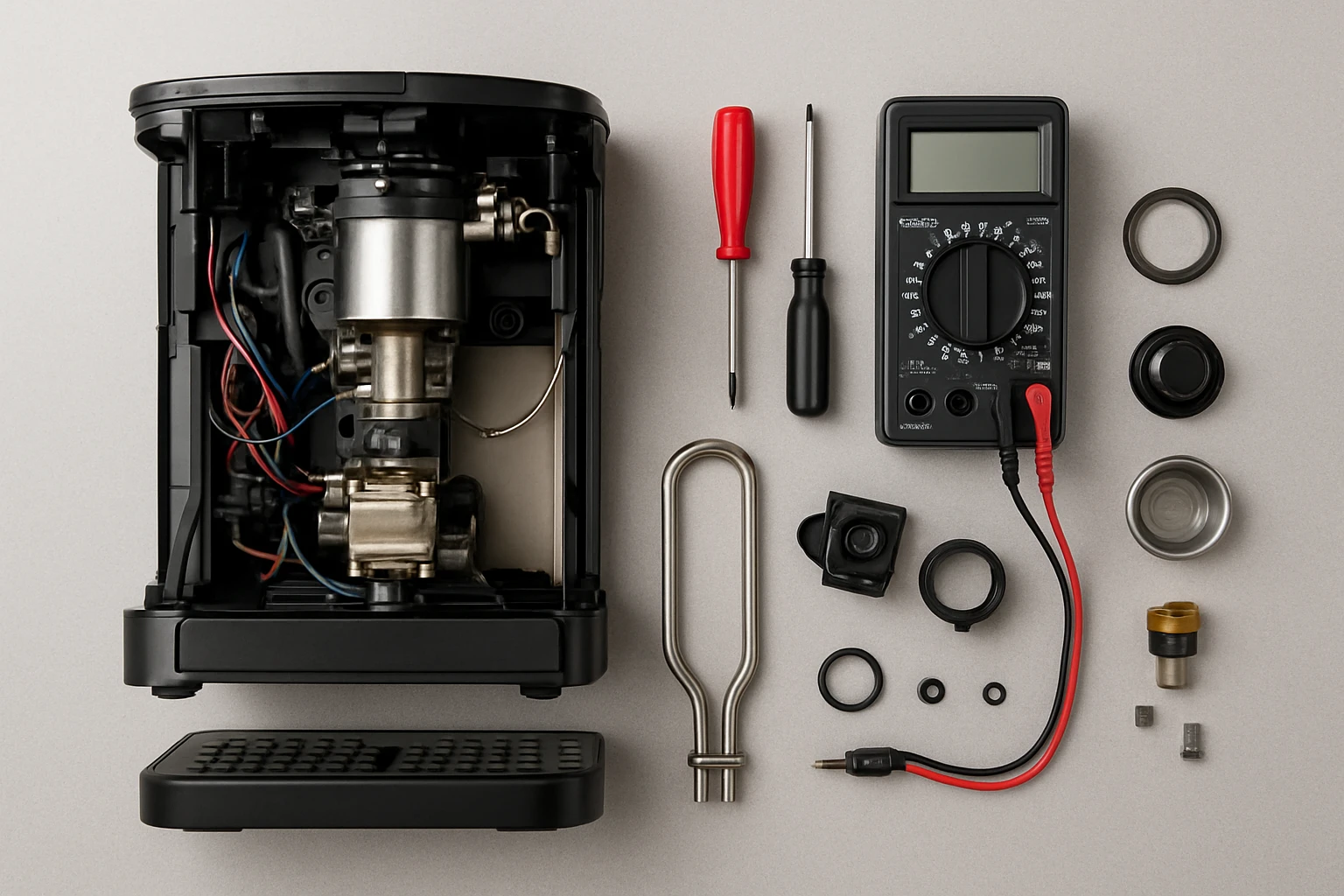
Gather the following tools, all of which are readily available on Amazon:
- A set of metric screwdrivers (4 mm, 5 mm, 6 mm)
- An adjustable wrench for the pump housing
- A soft‑bristle brush for cleaning the shower screen
- Replacement parts such as the Rancilio Silvia Repair Kit and the Cafelat E61 Silicone Group Gasket
Diagnosing Common Faults
Faults can be grouped into three categories: pressure issues, temperature inconsistencies, and steam‑wand problems. The following subsections outline diagnostic steps for each category.
Pressure Problems
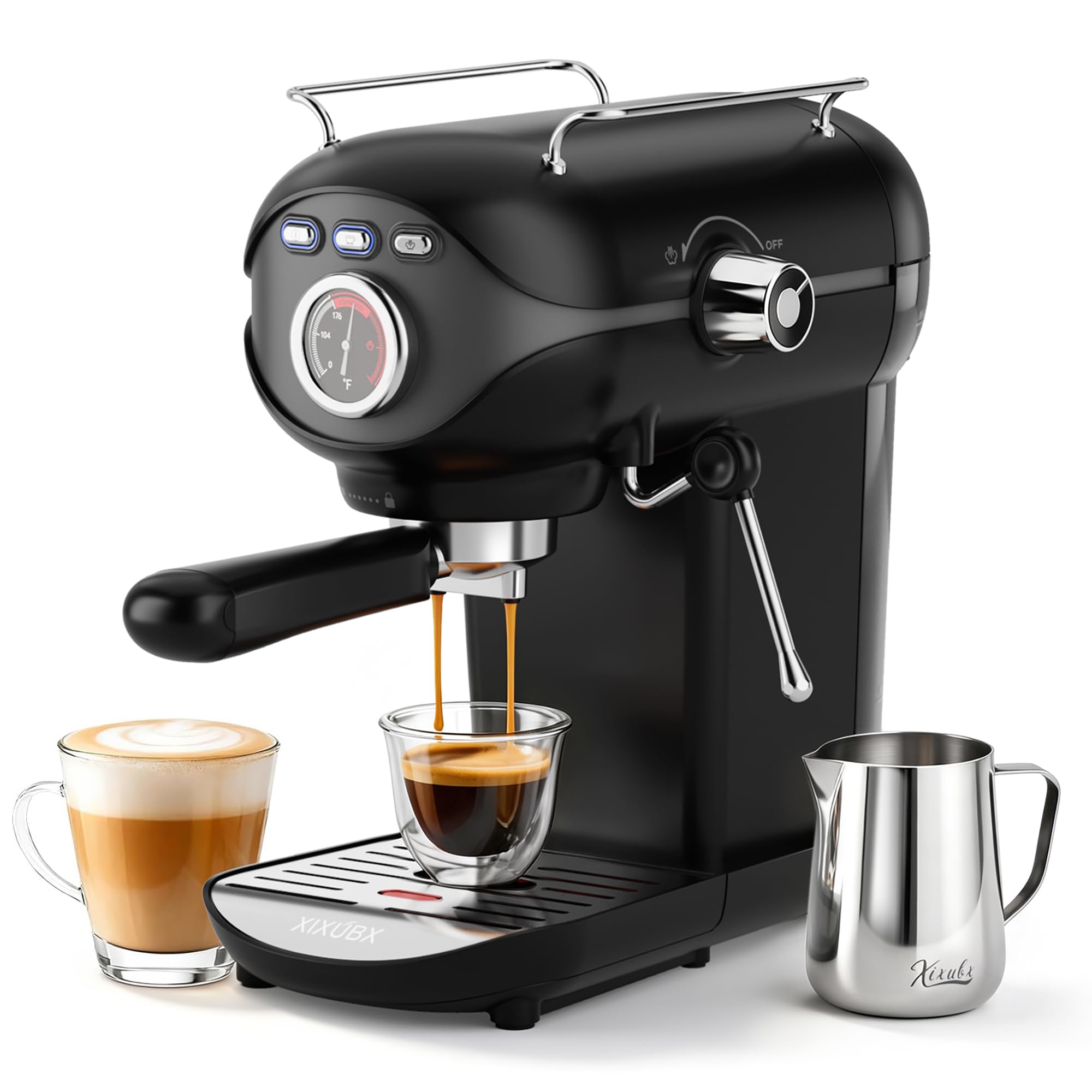
Low pressure often manifests as thin crema and weak extraction. Verify the pump is receiving power by listening for the characteristic humming sound. If the pump runs but pressure remains low, inspect the pressure gauge and the 20‑bar pump assembly. The XIXUBX 20Bar Espresso Machine features a built‑in pressure gauge that can be used as a reference when testing other machines.
Common causes include clogged group head screens, worn gaskets, or air trapped in the pump line. Replace the group head screen using the repair kit, and reseal the group head with a fresh silicone gasket.
Temperature Fluctuations
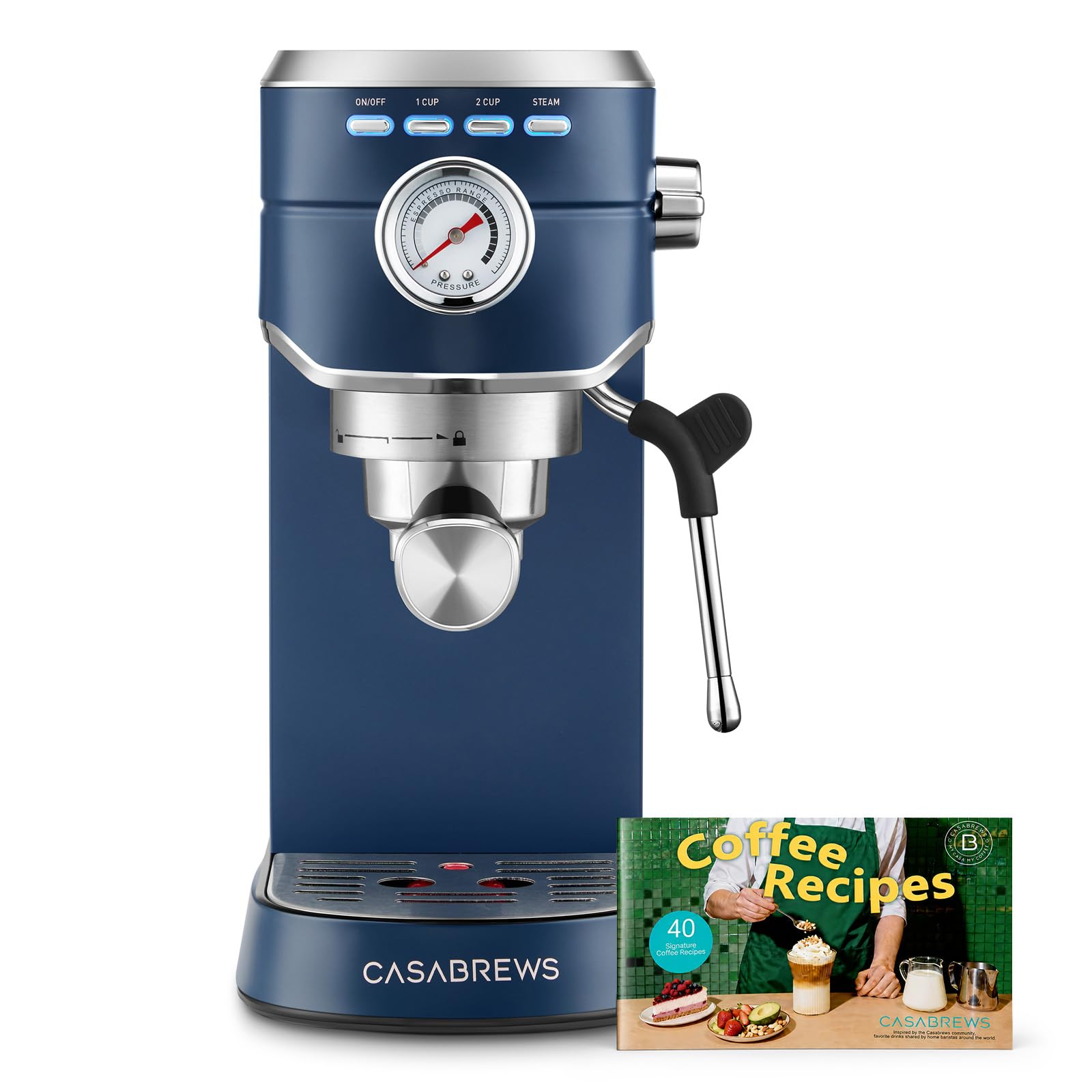
Inconsistent temperature leads to sour or burnt flavors. Machines equipped with PID controllers, such as the CASABREWS Sapphire Espresso Maker, maintain a stable brew temperature within ±1 °C. If temperature swings occur, inspect the thermocouple and the PID sensor for mineral deposits. Descaling with a citric‑based solution can restore proper heat transfer.
When the PID sensor is damaged, replacement is necessary. Ensure the new sensor matches the original specifications (typically 5 V, NTC type) to avoid calibration errors.
Steam Wand Malfunctions
Insufficient steam pressure or noisy operation often results from scale buildup in the wand or a faulty steam valve. Detach the wand, soak it in a descaling solution, and use a thin brush to clear any blockage. If the wand still produces weak steam, the internal valve may need replacement, which is included in the Rancilio Silvia Repair Kit.
Step‑by‑Step Teardown Procedure
- Remove the Water Reservoir and Drip Tray – This provides unobstructed access to the back panel.
- Unscrew the Back Panel – Use a 5 mm screwdriver to remove the four screws securing the panel. Keep the screws in a magnetic tray.
- Disconnect the Pump and Boiler Hoses – Gently pull the hose clamps apart; do not yank the hoses to avoid tearing.
- Extract the Group Head Assembly – Loosen the mounting bolts (usually 6 mm) and lift the group head. Observe the gasket condition; replace it if it shows cracks or deformation.
- Inspect the Pump – Remove the pump housing with an adjustable wrench. Check the impeller for wear and the seals for leaks.
- Examine the Boiler and PID Sensor – The boiler is a sealed metal cylinder. If the sensor is corroded, unscrew it and replace it with a compatible unit.
- Reassemble in Reverse Order – Apply a thin layer of food‑grade silicone to the new gasket, then reinstall the group head, reconnect hoses, and secure the back panel.
- Run a Test Cycle – Fill the reservoir, power the machine, and pull a single shot. Verify pressure, temperature, and steam output.
Throughout the process, document each step with photographs. This practice simplifies reassembly and helps identify any missed connections.
Comparison and Selection Guide
When choosing a compact espresso machine for DIY enthusiasts, consider the following criteria: pressure stability, PID temperature control, steam‑wand power, and ease of maintenance. The table below compares the two featured machines against these criteria.
| Feature | XIXUBX 20Bar Espresso Machine | CASABREWS Sapphire Espresso Maker |
|---|---|---|
| Pressure | 20 Bar with gentle pre‑infusion | 20 Bar professional Italian pump |
| Temperature Control | PID controller for stable brew temperature | PID controller with 1350 W motor |
| Steam Wand | High‑output wand for micro‑foam | Powerful wand for latte art |
| Water Tank Capacity | Compact vertical design, no explicit capacity | 34 oz removable tank |
| Price | $68.39 | $169.99 |
| Rating (5‑point scale) | 4.5 (532 reviews) | 4.3 (7,910 reviews) |
For users prioritizing affordability and space efficiency, the XIXUBX model offers excellent value. Professionals seeking higher throughput and a larger water reservoir may prefer the CASABREWS machine despite the higher price.
Best Practices & Tips
- Perform a full descaling every three months if you use hard water. This prevents mineral blockage in the pump and steam wand.
- Always replace the group head gasket with a food‑grade silicone version, such as the Cafelat E61 Silicone Group Gasket, to ensure a watertight seal.
- When re‑installing the pump, lubricate O‑rings with a food‑safe silicone grease to avoid premature wear.
- Run a short brew cycle with an empty portafilter after any repair. This primes the system and verifies that no air remains trapped.
- Keep a log of all parts replaced, including serial numbers, to simplify future warranty claims.
Frequently Asked Questions
- 1. How often should I replace the group head gasket?
- Replace the gasket every 12‑18 months, or sooner if you notice water leakage around the portafilter.
- 2. Can I use a regular kettle for descaling?
- Yes, a mixture of one part white vinegar to three parts water works, but a commercial citric‑based descaler provides more consistent results.
- 3. What is the difference between a PID controller and a simple thermostat?
- A PID controller continuously measures temperature and adjusts heating power to maintain a set point, reducing overshoot and undershoot. A thermostat merely switches heating on or off at fixed thresholds.
- 4. My machine shows the over‑heating protection light after steaming. What should I do?
- Allow the machine to cool for at least five minutes, then run a short brew cycle without coffee to reset the thermal sensor. If the light persists, inspect the steam valve for blockage.
- 5. Is it safe to replace the pump myself?
- Replacing the pump requires basic mechanical skills and proper tools. Ensure the machine is unplugged, and follow the manufacturer’s torque specifications. If you are uncertain, consult a professional technician.
- 6. Do I need a separate cleaning solution for the shower screen?
- Yes, a dedicated espresso machine cleaner such as Joe Glo maintains screen permeability and prevents coffee oils from hardening.
Conclusion
By mastering the systematic teardown, diagnosis, and repair of compact espresso machines, enthusiasts can extend the lifespan of their equipment, save money, and enjoy consistently high‑quality espresso at home. The combination of reliable tools, high‑rating replacement parts, and disciplined maintenance practices ensures that even the most budget‑friendly machines perform like commercial‑grade devices.
Products Featured in This Guide
XIXUBX 20Bar Espresso Machine
Price: $68.39 | Rating: 4.5/5 (532 reviews)
Featured for its affordable 20‑bar pressure, PID temperature control, and compact vertical design that suits small kitchens and dorm rooms.
CASABREWS Sapphire Espresso Maker
Price: $169.99 | Rating: 4.3/5 (7,910 reviews)
Featured for its professional 20‑bar pump, powerful 1350 W motor, and large 34 oz removable water tank, making it ideal for higher‑volume use.
Rancilio Silvia Repair Kit
Price: $19.98 | Rating: 4.7/5 (342 reviews)
Featured for providing a genuine OEM gasket and group screen, essential for fixing leaks and flow issues in many compact machines.
Cafelat E61 Silicone Group Gasket
Rating: 4.6/5 (1,236 reviews)
Featured for its food‑grade silicone construction, which offers superior durability and ease of installation compared with traditional rubber gaskets.