Introduction
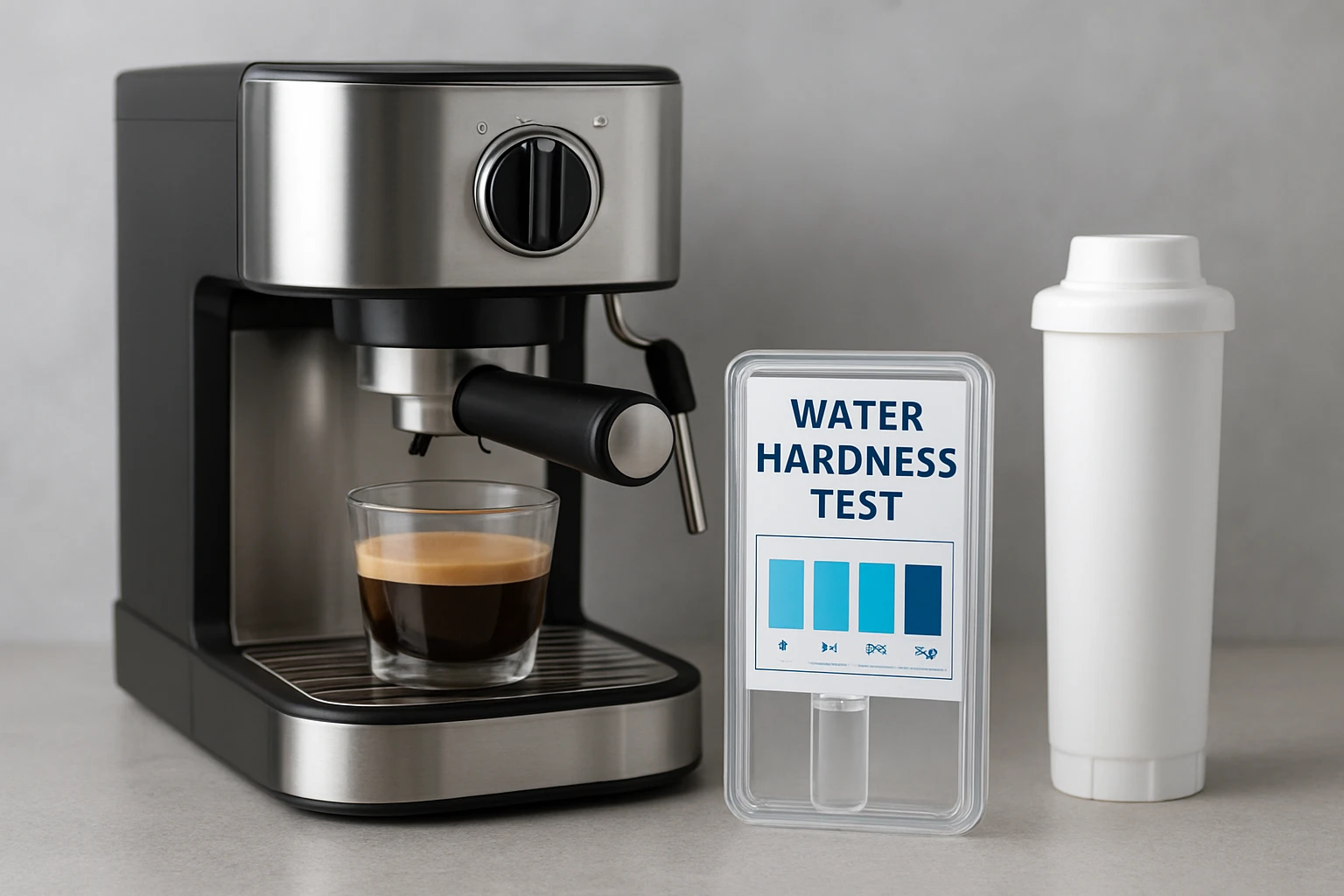
This guide explains why water hardness matters for compact espresso machines and how it influences taste, equipment longevity, and maintenance costs. Readers will learn the science behind hardness, recommended ppm ranges, and practical steps to achieve optimal water quality. The article also presents reliable testing kits and filtration solutions that simplify water management. By the end of the guide, one will be equipped to make informed decisions that enhance espresso performance.
Background/Context
Water hardness is the concentration of calcium and magnesium ions measured in parts per million (ppm) or grains per gallon (gpg). High hardness causes scale formation on heating elements, which reduces thermal efficiency and can block water pathways. Conversely, water that is too soft may extract undesirable flavors from coffee beans, leading to flat or sour espresso. Understanding the balance is essential for compact machines that have limited tolerance for mineral buildup.
Understanding Water Hardness for Espresso Machines
Compact espresso machines typically operate with a boiler capacity of 0.5 to 1.5 liters, making them especially vulnerable to scale. Research indicates that a hardness level between 50 and 150 ppm provides a sweet spot where mineral content supports proper extraction without excessive scaling. Within this range, calcium contributes to a stable crema while magnesium enhances body and sweetness. Maintaining hardness within the recommended window also extends the service interval for descaling, saving time and money.
Choosing the Right Testing Method
Accurate measurement is the first step toward control. Laboratory‑grade titration kits such as the Hach Total Hardness Test Kit deliver results within 1 grain per gallon and include all reagents for up to 100 tests. For quick daily checks, strip‑based solutions like the JNW Direct Water Hardness Test Strips provide instant color‑coded readings. Both methods have merits; titration offers higher precision for calibration, while strips excel in convenience for routine monitoring.
Product Recommendations
The following products have been selected based on accuracy, ease of use, and positive customer sentiment. They complement each other and together cover laboratory testing, rapid strip testing, comprehensive water analysis, and filtration for espresso machines.
- Hach Total Hardness Test Kit – Provides drop‑count titration with a portable case, rated 4.6/5 from 198 reviews, priced at $58.09. Ideal for precise calibration of water treatment systems.
- JNW Direct Water Hardness Test Strips – Includes 150 strips and an eBook, rated 4.4/5 from 44,209 reviews, priced at $9.99. Perfect for quick spot checks and tracking softener performance.
- Varify 17‑in‑1 Drinking Water Test Kit – Tests 17 parameters including hardness, rated 4.3/5 from 10,566 reviews, priced at $21.31. Useful for a holistic view of water quality beyond hardness.
- Pawfly Hardness Test Strips – 100 strips, rated 4.2/5 from 228 reviews, priced at $5.99. Budget‑friendly option for frequent home monitoring.
- Philips AquaClean Water Filters – Reduces limescale formation for espresso machines, rated 4.8/5 from 5,955 reviews, priced at $35.17. Provides long‑term protection by removing calcium before it reaches the boiler.
Comparison/Selection Guide
| Feature | Hach Kit | JNW Strips | Varify Kit | Pawfly Strips | Philips Filter |
|---|---|---|---|---|---|
| Testing Method | Titration (drop count) | Color‑coded strips | Strips + bacteria test | Color‑coded strips | Filtration (ion‑exchange) |
| Hardness Range | 0‑150 gpg | 0‑150 gpg | 0‑150 gpg | 0‑425 ppm | Reduces >50% calcium |
| Number of Tests | ~100 | 150 | 100 + 2 bacteria | 100 | 2 filters (5,000 cups each) |
| Price (USD) | 58.09 | 9.99 | 21.31 | 5.99 | 35.17 |
| Average Rating | 4.6 | 4.4 | 4.3 | 4.2 | 4.8 |
| Best For | Precision calibration | Routine monitoring | Comprehensive analysis | Cost‑effective checks | Scale prevention |
The table assists readers in matching their needs with the most appropriate solution. Professionals who require exact calibration should prioritize the Hach kit, while homeowners seeking convenience may select the JNW strips or Pawfly strips. Users interested in overall water health benefit from the Varify kit, and anyone with a Philips espresso machine will find the AquaClean filter indispensable for long‑term scale control.
Best Practices & Tips
Measure water hardness at least once a month to detect seasonal changes in municipal supply. If hardness exceeds 150 ppm, install a dedicated water softener or use a filter such as the Philips AquaClean Water Filters to protect the boiler. Descaling should be performed after every 300 brewing cycles when hardness is above 100 ppm, using a citric‑acid solution approved by the machine manufacturer. Keep a log of test results, filter changes, and descaling dates to optimize maintenance schedules and extend machine lifespan.
FAQ
- What is the ideal ppm range for a compact espresso machine? The recommended range is 50‑150 ppm; this supports proper extraction while minimizing scale.
- How often should I test my water? Testing monthly is sufficient for most households; more frequent testing may be needed after a change in water source.
- Can I use bottled water instead of treating tap water? Bottled water often has low hardness, but it can be expensive; a filter combined with periodic testing provides a cost‑effective alternative.
- Do strip tests provide accurate results? Strip tests are accurate within ±10 ppm when used according to instructions; for calibration of a softener, a titration kit such as the Hach kit offers higher precision.
- How does the Philips AquaClean filter work? The filter uses ion‑exchange resin to bind calcium ions, reducing limescale formation and allowing up to 5,000 cups before replacement.
- Is it necessary to test for parameters other than hardness? Yes; chlorine, iron, and pH can also affect flavor and machine health. The Varify 17‑in‑1 kit covers these additional parameters.
- What should I do if my water is too soft? Add a small amount of calcium carbonate to raise hardness to the target range, or blend soft water with a harder source.
Conclusion
Maintaining water hardness between 50 and 150 ppm is essential for optimal espresso extraction and for preventing scale in compact machines. Accurate testing using tools such as the Hach Total Hardness Test Kit or JNW Direct Water Hardness Test Strips empowers users to monitor and adjust water quality proactively. Complementary filtration, exemplified by the Philips AquaClean Water Filters, offers long‑term protection and enhances flavor consistency. By following the best practices outlined in this guide, one can achieve superior coffee taste, reduce maintenance costs, and extend the lifespan of a compact espresso machine.
Products Featured in This Guide
Hach Total Hardness Test Kit
Price: $58.09 | Rating: 4.6/5 (198 reviews)
Featured for its laboratory‑grade titration accuracy, making it ideal for precise calibration of water softeners and espresso machine maintenance.
JNW Direct Water Hardness Test Strips
Price: $9.99 | Rating: 4.4/5 (44,209 reviews)
Featured for its rapid, color‑coded results and high strip count, providing excellent value for routine hardness monitoring.
Varify 17‑in‑1 Drinking Water Test Kit
Price: $21.31 | Rating: 4.3/5 (10,566 reviews)
Featured for its comprehensive testing of 17 parameters, allowing users to assess overall water quality beyond hardness.
Pawfly Hardness Test Strips
Price: $5.99 | Rating: 4.2/5 (228 reviews)
Featured as an economical option for frequent home testing, suitable for users who need a simple, reliable strip test.
Philips AquaClean Water Filters
Price: $35.17 | Rating: 4.8/5 (5,955 reviews)
Featured for its ability to reduce calcium buildup in espresso machine boilers, extending maintenance intervals and preserving coffee flavor.
Frequently Asked Questions
What is the ideal water hardness (ppm) for a compact espresso machine?
Most manufacturers recommend 50‑150 ppm (about 3‑9 gpg) to balance scale prevention and flavor extraction.
How does water hardness affect espresso taste?
Too hard water can cause bitterness and mineral buildup, while overly soft water may produce flat or sour flavors.
What are the signs of scale buildup in a compact espresso machine?
Reduced heating speed, lower pressure, and occasional water flow blockage indicate scale accumulation.
Can I use a water filter to achieve the right hardness level?
Yes, activated carbon or dual‑stage filters with a built‑in softener can bring hardness into the optimal range.
How often should I test my water hardness for espresso?
Test every 1‑2 months or after changing filters to ensure the ppm stays within the recommended range.