Minimalist Micro‑Kitchen Espresso Station Design: The Ultimate Guide to Space‑Saving Layouts, Essential Gear, and Clean Aesthetics
Introduction
Designing a functional espresso station in a micro‑kitchen requires careful planning, purposeful product selection, and an eye for minimalism. This guide explains how to maximise limited countertop space while preserving the ritual of high‑quality coffee preparation. Readers will learn foundational concepts, layout strategies, and the essential equipment that delivers professional results without clutter. By the end of the article, one will be equipped to create a sleek, efficient espresso corner that blends form and function.
Background and Context
A micro‑kitchen typically offers less than 50 square feet of usable surface, making every inch valuable. In such environments, the traditional bulky espresso setup—large boiler, separate grinder, and multiple accessories—creates visual noise and hampers workflow. Modern compact machines combine brewing and frothing functions, while multi‑purpose accessories reduce the need for additional storage. Understanding pressure systems, water tank capacities, and grind precision is essential for selecting gear that aligns with limited space.
The 20‑bar pressure standard, derived from professional Italian espresso machines, ensures proper extraction of oils and aromatics. A reliable grinder with consistent particle size is equally important because uneven grounds produce bitter or weak shots. Finally, organization tools such as tiered shelves keep consumables like matcha, beans, and utensils orderly, preserving the minimalist aesthetic.
Designing the Layout
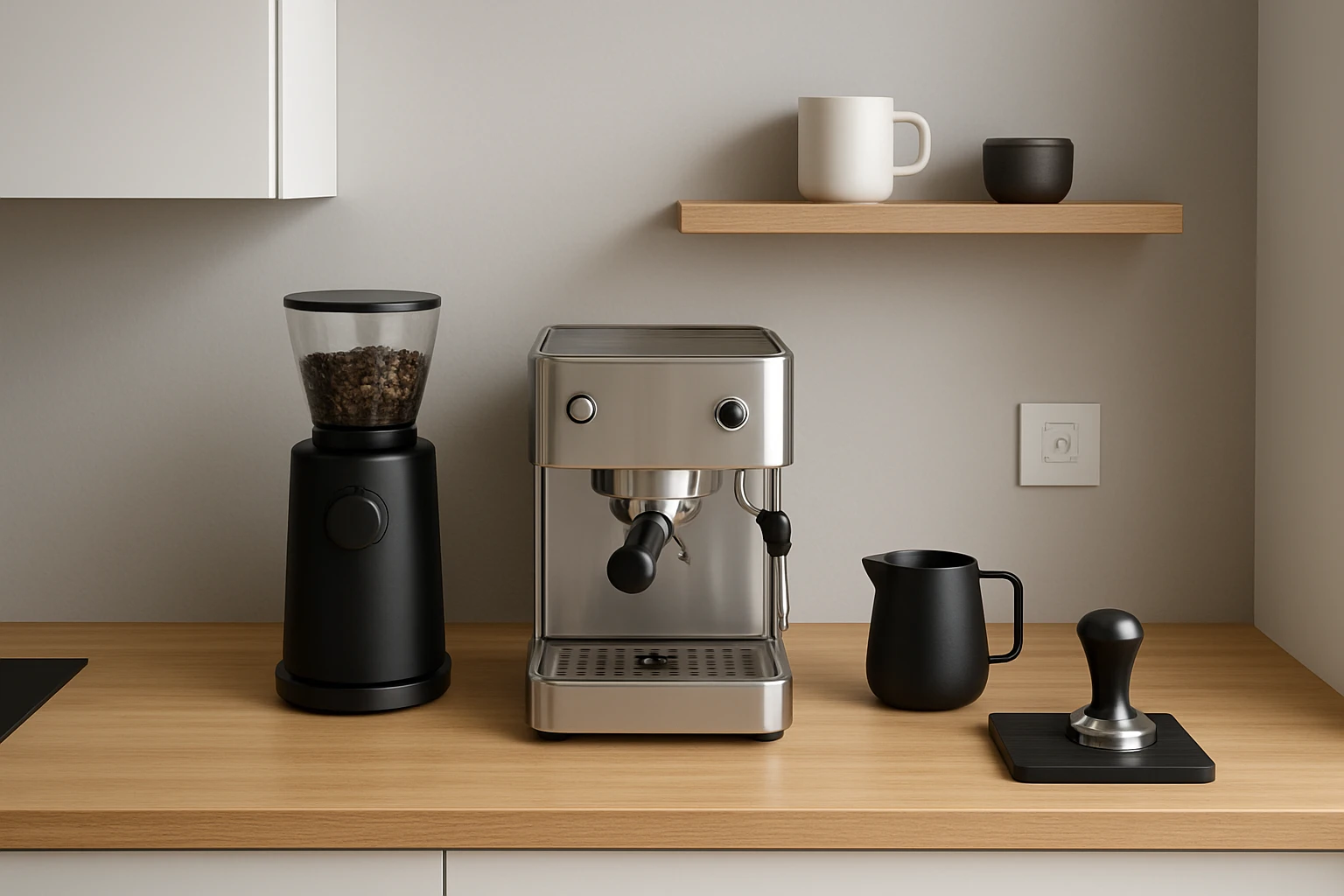
Begin by mapping the countertop dimensions and identifying the primary work zones: brewing, grinding, and storage. Position the espresso machine closest to the power outlet to avoid unsightly extension cords. Place the grinder within arm’s reach of the machine, ideally on a raised platform or shelf to free up countertop space. Use a narrow, vertical organizer for accessories, keeping them visible yet out of the way.
When space permits, a wall‑mounted rail can hold mugs, while a slim drawer stores cleaning tools. Maintain a clear line of sight between the machine’s pressure gauge and the user to monitor extraction in real time. The overall layout should follow a logical flow: beans → grinder → portafilter → machine → cup, minimizing unnecessary movements.
Essential Gear and Product Recommendations
Choosing equipment that offers both performance and compactness is the cornerstone of a minimalist espresso station. The following products have been selected for their space‑saving designs, high user ratings, and functional versatility.
Espresso Machines
The first essential component is a reliable, compact espresso machine that includes a milk frother. The Casabrews CM5418 Espresso Machine delivers 20‑bar pressure, a 34‑oz removable water tank, and a built‑in steam wand, all within a pastel‑green stainless steel shell. With a rating of 4.3/5 from 7,843 reviews, users praise its consistent extraction and stylish footprint, making it ideal for both kitchen counters and office desks.
For those who prefer a slightly larger water reservoir and a silver finish, the Casabrews 3700 Espresso Machine offers a 43.9‑oz tank, the same 20‑bar pump, and a powerful steam frother. Its compact dimensions and included accessories such as a tamper and two brewing filters streamline the setup process. The 4.3/5 rating from 3,470 reviewers confirms its reliability in small‑space environments.
Grinder
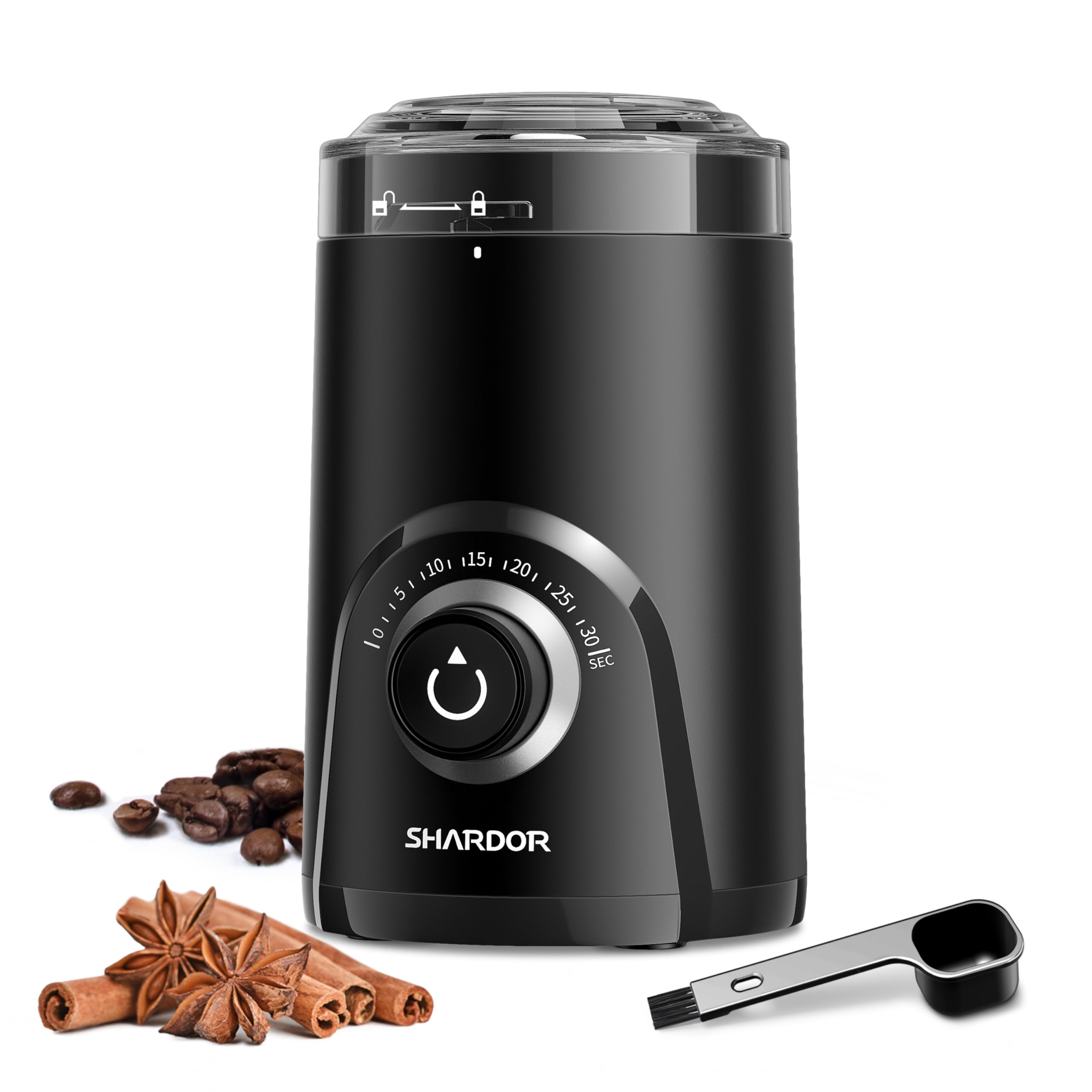
Consistent grind size is critical for espresso quality. The Shardor Electric Coffee Grinder provides 70 g capacity, a visual timing knob, and ultra‑quiet operation at 63 dB. Its stainless‑steel blades ensure even particle distribution, while the included 2‑in‑1 coffee spoon with cleaning brush simplifies maintenance. With a 4.5/5 rating from 459 reviewers, this grinder balances precision and low noise—perfect for shared living spaces.
Organization Solution
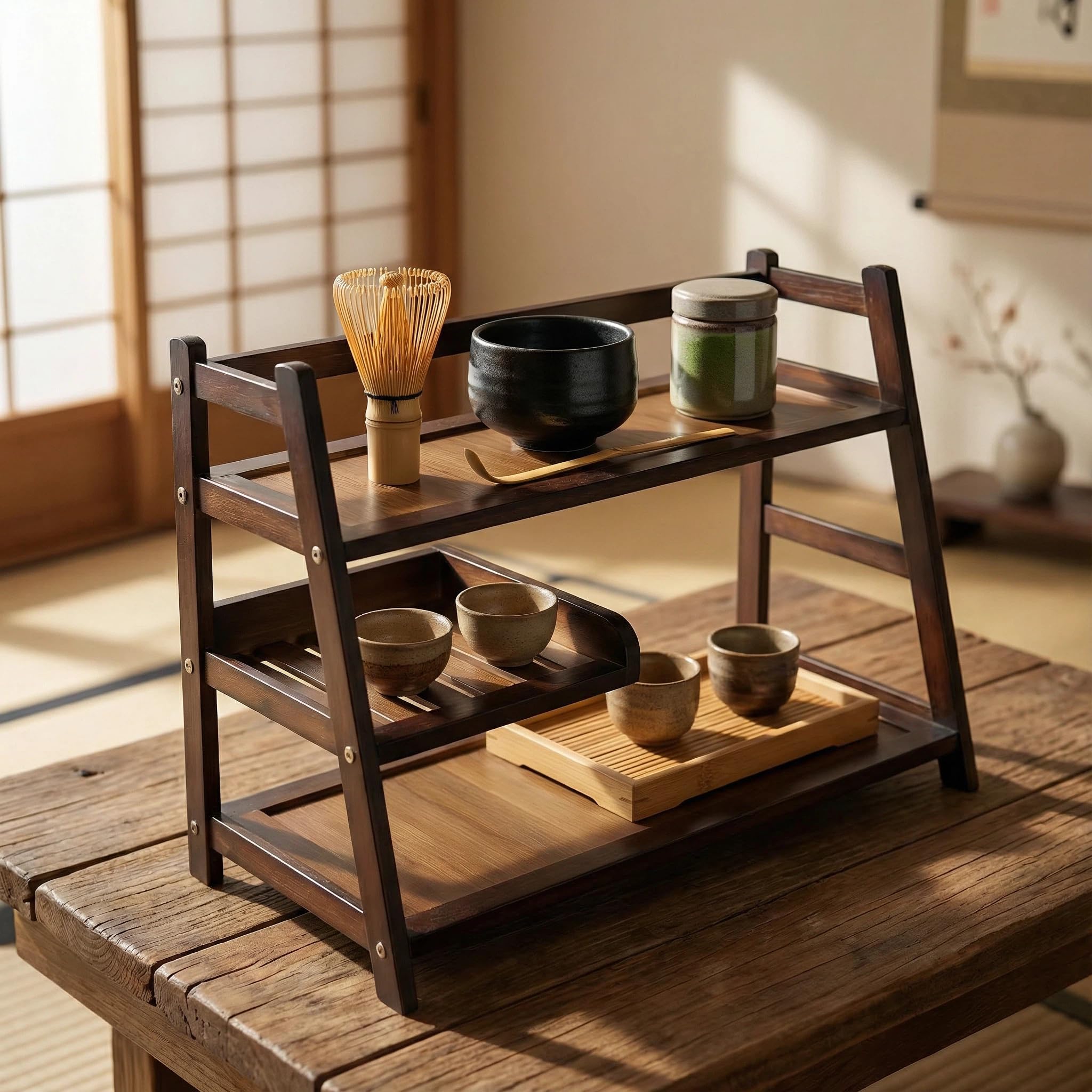
Keeping matcha, beans, and accessories orderly enhances the minimalist look. The Lnncdsc 3‑Tier Bamboo Matcha Station offers a compact, three‑tier layout that accommodates powder tins, whisks, and cups. Constructed from sustainable bamboo, it adds natural warmth to the countertop while occupying less than 12 inches of width. Its 4.3/5 rating from 84 reviews highlights durability and ease of assembly.
Comparison and Selection Guide
| Feature | Casabrews CM5418 | Casabrews 3700 | Shardor Grinder | Lnncdsc Matcha Station |
|---|---|---|---|---|
| Pressure (Bar) | 20 | 20 | N/A | N/A |
| Water Tank Capacity | 34 oz | 43.9 oz | N/A | N/A |
| Power (W) | 1350 | 1350 | N/A | N/A |
| Grind Control | N/A | N/A | Timing knob, 70 g capacity | N/A |
| Dimensions (approx.) | Compact, countertop | Compact, countertop | Small, tabletop | 3‑tier vertical |
| Price | $169.99 | Varies (not listed) | $26.99 | $19.99 |
| Rating | 4.3/5 (7,843 reviews) | 4.3/5 (3,470 reviews) | 4.5/5 (459 reviews) | 4.3/5 (84 reviews) |
When selecting a machine, consider the water tank size relative to daily consumption; a 34‑oz tank supports 4–5 double shots before refilling, while the 43.9‑oz tank extends that to 6–7 servings. For noise‑sensitive environments, the Shardor grinder’s low decibel rating is decisive. The bamboo matcha station is optional but adds a cohesive storage solution that aligns with minimalist aesthetics.
Best Practices & Tips
- Always purge the machine after frothing milk to avoid overheating; allow the boiler to cool for at least one minute before brewing.
- Calibrate the grinder’s timing knob for the specific bean roast; lighter roasts typically require a longer grind time.
- Use the built‑in pressure gauge on the espresso machines to fine‑tune extraction; ideal pressure ranges between 8 and 9 bar for balanced flavor.
- Store beans in an airtight container on the matcha station’s middle tier to protect freshness while keeping them within arm’s reach.
- Clean the steam wand after each use by wiping with a damp cloth and purging steam for three seconds to prevent milk residue buildup.
Frequently Asked Questions
- Can I use the Casabrews machines with a separate grinder? Yes; both models are compatible with any burr or blade grinder, though the Shardor grinder offers the most seamless integration due to its compact size.
- How often should I descale the espresso machine? For hard‑water areas, descale every 2–3 months using a citric‑acid solution to maintain pressure consistency.
- Is the 34‑oz water tank sufficient for a household of four? It is adequate for 2–3 cups per day; the larger 43.9‑oz tank of the 3700 model reduces refill frequency for larger households.
- Will the bamboo matcha station support coffee accessories? Absolutely; its tiers can hold bean jars, spoons, and small mugs, making it a versatile organizer.
- Does the Shardor grinder accommodate spices? Yes; the 70 g chamber can grind dry spices, herbs, and nuts, offering multi‑purpose functionality beyond coffee.
- What is the warranty coverage for these products? The Shardor grinder includes a 2‑year warranty; Casabrews machines typically provide a 1‑year limited warranty, and the Lnncdsc matcha station comes with a 6‑month guarantee.
Conclusion
Creating a minimalist espresso station in a micro‑kitchen is achievable by prioritising compact, high‑performance equipment and thoughtful organization. The Casabrews CM5418 and 3700 machines deliver professional‑grade pressure and frothing within a small footprint, while the Shardor grinder ensures precise, quiet grinding. Complementary storage such as the Lnncdsc bamboo matcha station maintains a clean visual line and keeps essential items within easy reach. By applying the layout strategies, best practices, and product insights outlined in this guide, one can enjoy café‑quality espresso without sacrificing space or style.
Products Featured in This Guide

Casabrews CM5418 Espresso Machine
Price: $169.99 – Rating: 4.3/5 (7,843 reviews)
Featured for its 20‑bar pressure, removable 34 oz water tank, and built‑in steam wand that fit perfectly in limited countertop spaces.

Casabrews 3700 Espresso Machine
Rating: 4.3/5 (3,470 reviews)
Featured for its larger 43.9 oz water tank and identical 20‑bar extraction system, offering extended brewing capacity for small families.

Lnncdsc 3‑Tier Bamboo Matcha Station
Price: $19.99 – Rating: 4.3/5 (84 reviews)
Featured for its vertical, space‑saving design that organizes matcha, coffee beans, and accessories while adding natural aesthetic appeal.

Shardor Electric Coffee Grinder
Price: $26.99 – Rating: 4.5/5 (459 reviews)
Featured for its precise timing knob, ultra‑quiet operation, and 70 g capacity that supports both coffee and spice grinding in tight spaces.