
Introduction
One will discover how to transform a modest countertop espresso machine into a reliable amenity for Airbnb guests. The guide explains preparation, brewing techniques, maintenance, and guest communication, ensuring each visitor enjoys café‑quality coffee without delay. By following the instructions, hosts can enhance guest satisfaction, receive positive reviews, and differentiate their property from competitors. The information is practical, actionable, and does not require prior barista experience.
What You Will Need
- Compact espresso machine – De'Longhi Classic Espresso Machine
- Freshly roasted coffee beans (medium‑dark roast recommended)
- Precision coffee grinder (burr grinder preferred)
- Stainless‑steel tamper
- Measuring scale (gram precision)
- Milk frothing pitcher and thermometer
- Cleaning brushes and descaling solution
Step 1: Unbox and Position the Machine
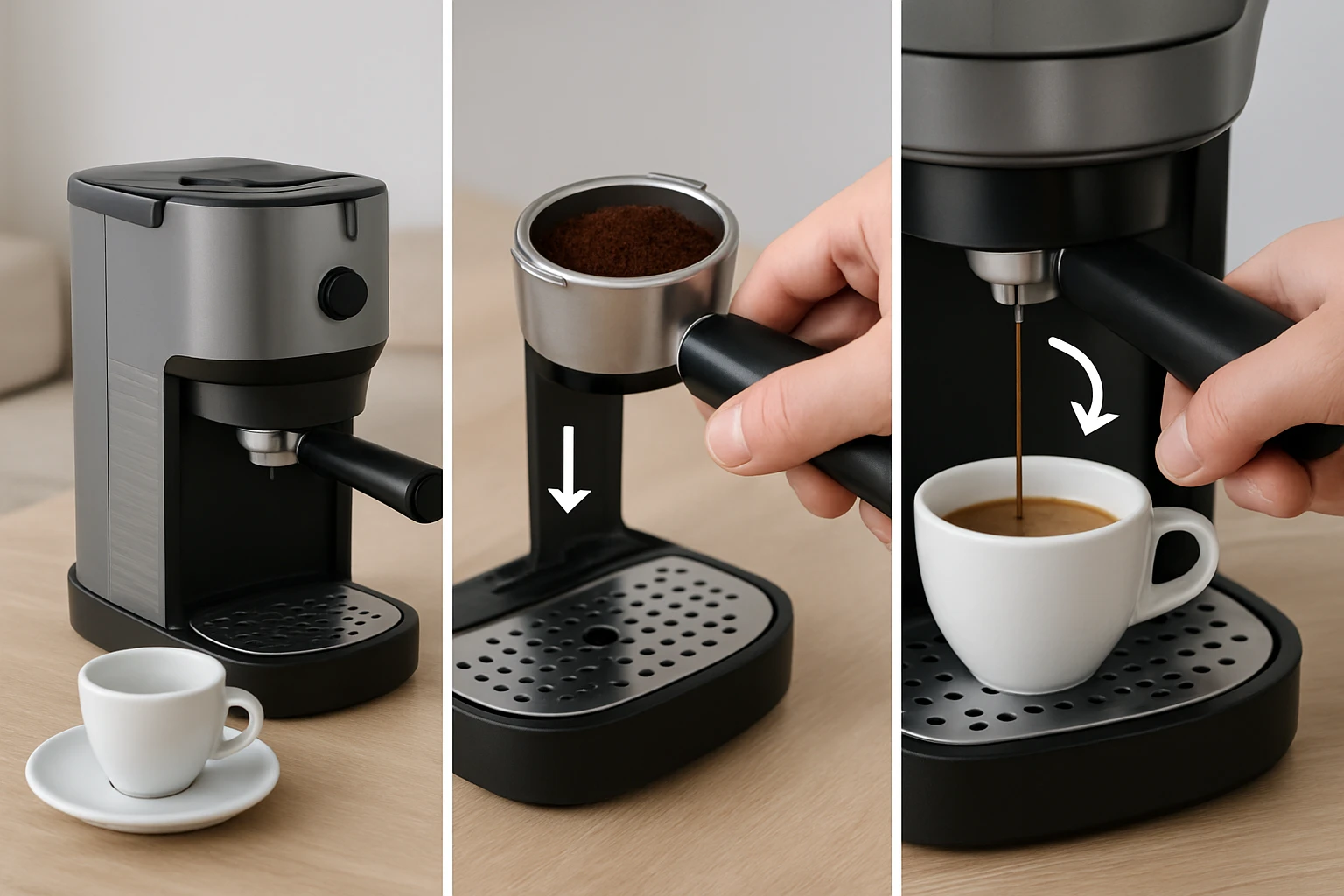
Begin by removing the De'Longhi Classic Espresso Machine from its packaging, discarding all protective materials. Place the unit on a stable, heat‑resistant countertop near an electrical outlet, ensuring at least six inches of clearance behind the machine for ventilation. The compact stainless‑steel design occupies minimal space, making it ideal for Airbnb kitchens where countertop real estate is limited. Connect the power cord and verify that the water reservoir is filled to the maximum level indicated by the transparent gauge.
The machine features a 15‑bar Italian professional pump, which provides the pressure required for optimal espresso extraction. The built‑in pressure gauge offers a visual cue, allowing hosts to confirm that the pump operates within the ideal range before each use. This visual feedback reduces the risk of under‑extracted or over‑extracted coffee, which can affect guest perception of quality.
Step 2: Prepare the Coffee Grounds
Measure exactly 18 grams of coffee beans using the scale, then grind them to a fine, uniform consistency. A burr grinder produces consistent particle size, which is essential for even water flow through the puck. The De'Longhi machine includes a single‑shot and double‑shot preset; for a standard double espresso, use the 18‑gram dose. Place the ground coffee into the portafilter, then level the surface with a fingertip.
Using a stainless‑steel tamper, apply firm, even pressure of approximately 30 pounds to create a compact puck. The tamper’s flat base matches the portafilter’s diameter, preventing channeling during extraction. Proper tamping ensures that water distributes evenly, producing a balanced flavor profile that guests will appreciate.
Step 3: Brew the Espresso
Insert the tamped portafilter into the machine’s group head and engage the lock lever. Select the double‑shot preset by pressing the corresponding button; the machine will automatically adjust water volume and temperature. The Thermoblock technology brings the water to the optimal brewing temperature of 93 °C within seconds, guaranteeing consistent extraction across multiple brews.
Observe the pressure gauge; it should rise to approximately 9 bars during extraction and then gradually decline. A total extraction time of 25‑30 seconds yields a rich crema, indicating a well‑balanced shot. Serve the espresso immediately in a pre‑warmed demitasse cup to preserve temperature and aroma.
Step 4: Steam and Froth Milk (Optional)
If guests request lattes or cappuccinos, fill a stainless‑steel pitcher with cold milk up to one‑third of its capacity. Insert the adjustable steam wand, selecting the higher setting for silky steamed milk or the lower setting for microfoam, depending on the desired texture. Activate the steam function; the wand will emit a steady stream of hot steam, heating the milk to 65‑70 °C as indicated by the thermometer.
Rotate the pitcher gently to create a vortex, allowing air to incorporate uniformly and producing a glossy microfoam suitable for latte art. Once the desired texture is achieved, tap the pitcher on the counter to eliminate large bubbles, then swirl to integrate the foam. Pour the milk over the espresso, creating a layered beverage that resembles a café offering.
Step 5: Clean and Maintain the Machine
After each guest session, discard the used coffee puck and rinse the portafilter under warm water. Wipe the steam wand with a damp cloth, then purge any residual milk by briefly opening the steam valve. Perform a quick backflush using a blind filter and cleaning solution once a week to remove coffee oils that can affect flavor.
Descale the machine monthly using a certified descaling solution, following the manufacturer’s instructions. The De'Longhi Classic Espresso Machine’s removable water tank simplifies the process, allowing hosts to maintain optimal performance without disassembling the unit. Regular maintenance extends the machine’s lifespan and ensures consistent coffee quality for every guest.
Tips & Pro Tips
- Store coffee beans in an airtight container away from light and heat to preserve freshness.
- Pre‑heat cups on the countertop for at least 30 seconds to maintain espresso temperature.
- Provide a simple instruction card near the machine, outlining button functions and safety reminders.
- Offer a selection of milk alternatives (almond, oat, soy) in sealed cartons for guests with dietary preferences.
- Use the machine’s single‑shot preset for a quick espresso when time is limited; the flavor remains comparable.
Troubleshooting
| Problem | Possible Cause | Solution |
|---|---|---|
| Low pressure reading | Clogged filter or insufficient water | Remove the portafilter, clean the filter basket, ensure the water reservoir is full, and run a short purge cycle. |
| Weak or sour taste | Under‑extraction or stale beans | Adjust grind size to finer, verify tamp pressure, and replace beans with a fresh batch. |
| Steam wand produces sputtering | Milk residue inside wand | Clean the wand with a damp cloth, then purge steam for 5 seconds before next use. |
Conclusion
One has learned how to set up, operate, and maintain a compact espresso machine to provide Airbnb guests with café‑quality coffee quickly and reliably. By following the step‑by‑step instructions, hosts can deliver a memorable hospitality experience that encourages positive reviews and repeat bookings. Consistent cleaning, proper bean storage, and clear guest instructions ensure the machine remains a valuable amenity throughout the property’s rental lifecycle.
Products Mentioned in This Guide
Frequently Asked Questions
How should I set up a compact espresso machine for Airbnb guests?
Unbox the machine, place it on a stable countertop near a power outlet, fill the water reservoir, and prime it according to the manufacturer’s instructions before guest arrival.
What coffee beans and grind size work best for a small countertop espresso machine?
Use freshly roasted medium‑dark beans and a fine, consistent grind from a burr grinder (around 18‑20 g for a double shot).
How can I ensure consistent espresso quality for each guest?
Measure coffee dose and tamp pressure, pre‑heat the cup, and follow a standard brewing time of 25‑30 seconds per shot.
What routine maintenance is required between guest stays?
Rinse the portafilter, clean the group head with a brush, run a water‑only shot, and descale the machine monthly using the recommended solution.
How should I communicate espresso machine usage to guests?
Provide a brief cheat sheet with step‑by‑step brewing instructions, safety tips, and contact info for any issues.