How to Build an Accessible One-Handed Espresso Station: A Step-by-Step Guide for People with Limited Mobility
Introduction
This guide explains how to assemble an espresso station that can be operated comfortably with a single hand. Readers will learn about ergonomic layout, essential accessories, and adaptive techniques that reduce strain. The article combines practical product recommendations with universal design principles. By the end, one will be able to create a functional coffee corner that supports independence.
Background and Context
Limited mobility often stems from arthritis, stroke, or age‑related strength loss, making traditional two‑handed coffee routines challenging. An accessible espresso station minimizes reach, lever force, and repetitive motions while preserving brew quality. Understanding the mechanics of espresso extraction—grinding, tamping, dosing, and extracting—helps identify where adaptations are most valuable. The following sections break down each stage and suggest tools that simplify the process.
Designing the Layout
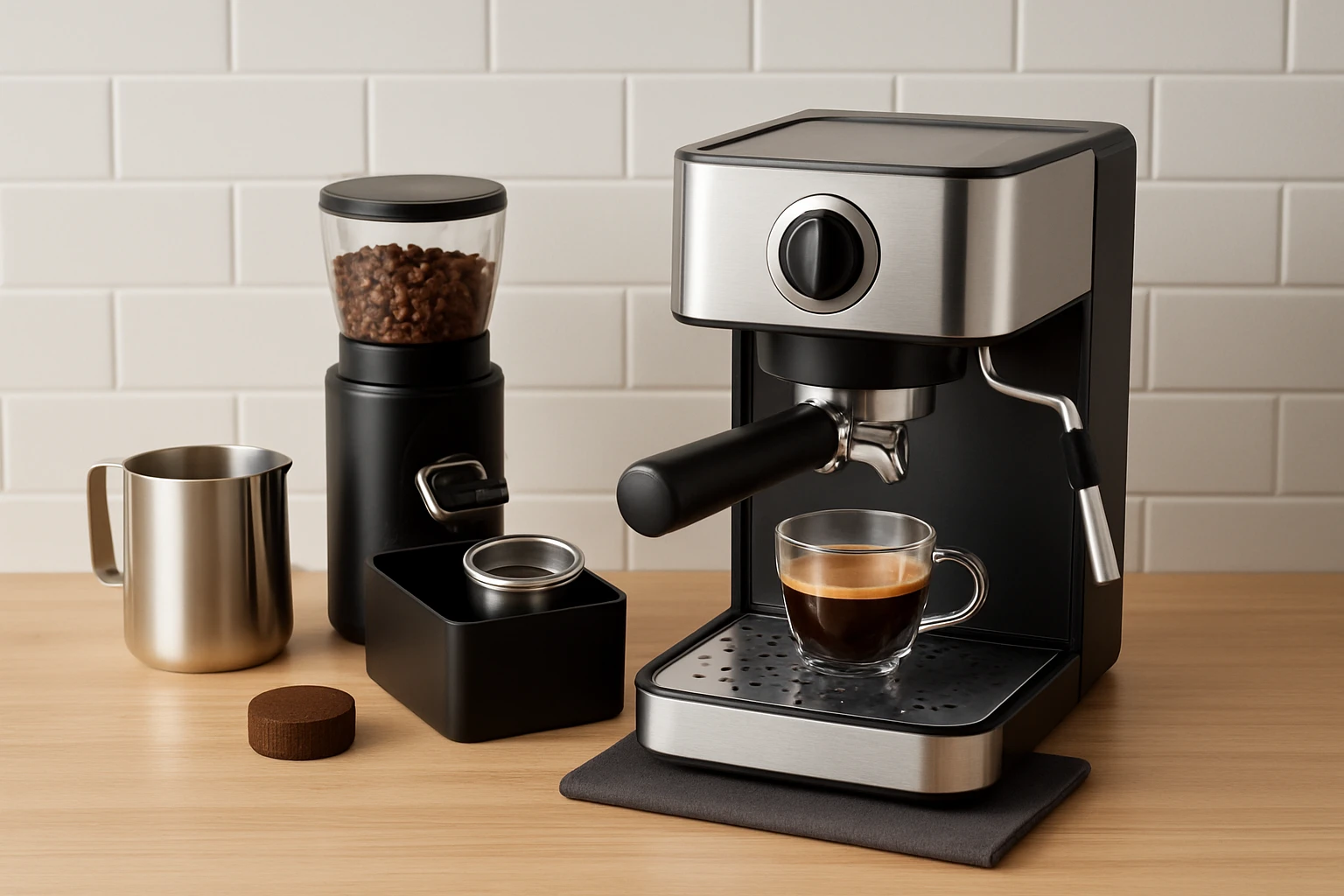
The first step is to arrange equipment within easy arm’s‑length reach from a stable countertop. Place the espresso machine, grinder, and water source on the same level to avoid bending or stretching. Use a sturdy, non‑slipping mat to keep the workstation steady during operation. Lighting should be bright but glare‑free, allowing clear visibility of controls and measurements.
Choosing an Accessible Grinder
Grinding beans is the most time‑consuming task, yet a well‑designed grinder can be managed with a single finger press. The Wancle Electric Coffee Grinder offers a pure copper motor and stainless‑steel blade that produce consistent particles without overheating. Its transparent lid lets the user monitor grind size, and the single‑button operation stops grinding instantly when released. With a 150‑watt power rating, it handles beans, spices, and nuts, making it a versatile addition to any accessible kitchen.
Integrating a One‑Handed Jar Opener
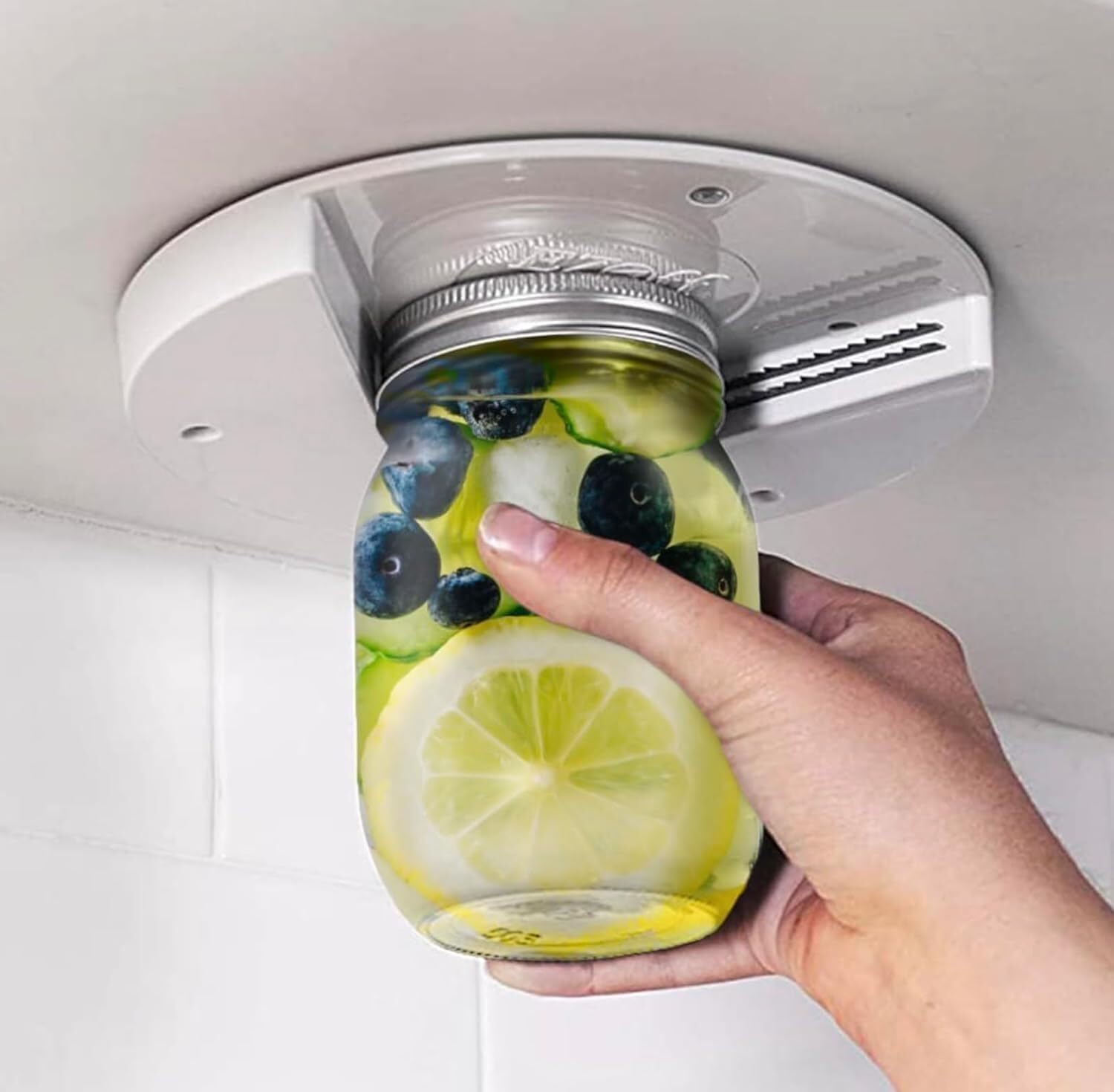
Many espresso recipes require sealed containers of syrups, spices, or nut milks, and opening these jars can be a barrier for weak‑handed users. The EZ Off Jar Opener mounts under a cabinet and provides a lever that opens lids with a simple squeeze. Its non‑slip grip reduces the force needed, and the adhesive plus screw installation ensures stability. Rated 4.6 stars from over 28,000 reviews, it is praised for reliability and lifetime warranty, making it a trustworthy choice for daily use.
Optimizing the Espresso Machine Controls
Select a machine with large, tactile buttons or a rotary dial that can be actuated with a fingertip. Models featuring programmable single‑serve buttons eliminate the need for precise timing adjustments. Position the water reservoir at a height that allows a one‑handed lift without straining the shoulder. If possible, install a pull‑out drip tray that slides outward with minimal effort.
Accessories for One‑Handed Operation
A tamper with an ergonomic handle reduces the force required to compress the coffee puck; look for a lever‑style tamper that locks in place. A dosing cup with a built‑in spout enables direct transfer of grounds from the grinder to the portafilter without a separate scoop. Consider a magnetic cup holder that snaps onto the countertop, keeping the serving vessel within reach.
Comparison and Selection Guide
| Feature | Wancle Electric Coffee Grinder | EZ Off Jar Opener |
|---|---|---|
| Primary Function | Grinds coffee beans, spices, nuts | Opens jars with one hand |
| Operation | Single‑button press, stop on release | Lever squeeze, under‑cabinet mount |
| Power / Force | 150 W motor, low torque requirement | Non‑slip grip, minimal hand strength |
| Rating | 4.4 / 5 (11,085 reviews) | 4.6 / 5 (28,486 reviews) |
| Price | $14.99 | Not listed (price omitted) |
| Space Requirement | Compact footprint, countertop friendly | Mounts under cabinet, saves counter space |
When selecting a grinder, prioritize models that combine visual feedback with a single‑hand trigger; the Wancle meets both criteria at an affordable price. For jar opening, the EZ Off’s under‑cabinet design frees valuable counter space while delivering a reliable mechanical advantage. Users with severe grip limitations may prefer a motorized jar opener, but the EZ Off provides a cost‑effective, low‑maintenance solution.
Best Practices & Tips
- Arrange all frequently used items on the dominant side of the workstation to avoid crossing the body.
- Use magnetic or Velcro strips to secure small tools, preventing them from rolling away during use.
- Periodically clean the grinder’s blade and jar opener’s mechanism to maintain smooth operation and avoid jamming.
- Label containers with large, high‑contrast fonts to aid visual identification without needing to read fine print.
- Practice a consistent grind‑dose‑tamp rhythm; muscle memory reduces the cognitive load of each step.
Frequently Asked Questions
- Can the Wancle grinder handle pre‑ground coffee? Yes, it can re‑grind fine powders, but using fresh beans yields the best aroma and flavor.
- Is the EZ Off Jar Opener compatible with glass jars? The lever works on most standard glass and plastic lids; very wide-mouth jars may require a second attempt.
- Do I need a separate power outlet for the grinder? The grinder operates on 120 VAC, 60 Hz and can share an outlet with other small appliances if the circuit can handle the load.
- How often should I replace the grinder’s blades? Stainless‑steel blades retain sharpness for several years; replace them only if grinding becomes uneven or noisy.
- Can I install the EZ Off without drilling? The product includes double‑sided adhesive for a no‑drill option, though screws provide extra security for heavy use.
- What is the best water temperature for espresso? Aim for 90‑96 °C (195‑205 °F); many machines allow temperature presets that can be selected with a single button.
- Is a single‑handed tamper necessary? While not mandatory, an ergonomic tamper reduces wrist strain and improves consistency, especially for users with limited grip.
Conclusion
Creating an accessible one‑handed espresso station involves thoughtful layout, ergonomic equipment, and reliable accessories. By integrating the Wancle Electric Coffee Grinder and EZ Off Jar Opener, users gain independent control over grinding and jar opening without excessive force. The recommended best practices ensure safety, consistency, and long‑term enjoyment of high‑quality espresso. Ultimately, a well‑designed station empowers individuals with limited mobility to savor café‑grade coffee at home.
Products Featured in This Guide
Wancle Electric Coffee Grinder
Price: $14.99 | Rating: 4.4/5 (11,085 reviews)
Featured because its single‑button operation, transparent lid, and compact size make grinding beans feasible with one hand, while also handling spices and nuts for versatile use.
EZ Off Jar Opener
Rating: 4.6/5 (28,486 reviews)
Featured for its under‑cabinet mounting, one‑handed lever action, and non‑slip grip, which together eliminate the need for two‑handed twisting when opening sealed jars.
