Introduction
The modern consumer seeks coffee experiences that are both high quality and environmentally responsible. This guide explores the complete lifecycle of eco‑friendly compact espresso machines, from sustainable purchasing decisions to end‑of‑life recycling practices. Readers will learn how to evaluate energy efficiency, material durability, and repairability while maintaining café‑grade beverages at home. The article also highlights a product that exemplifies these principles.
Background and Context
Espresso machines have traditionally been energy‑intensive appliances, often constructed with mixed metals and plastics that challenge recycling streams. Recent advances in design focus on reducing power consumption, using recyclable stainless steel, and simplifying component disassembly. Understanding the environmental impact of each stage—manufacturing, operation, and disposal—enables informed decision‑making. This context sets the foundation for assessing compact machines that claim sustainability.
Understanding Eco‑Friendly Design
Key design attributes include low wattage heating elements, insulated boilers, and programmable standby modes that limit unnecessary energy draw. Materials such as food‑grade stainless steel are preferred because they are durable, corrosion‑resistant, and fully recyclable. Modular construction allows users to replace worn parts without discarding the entire unit, extending product lifespan. Manufacturers that provide clear service manuals and spare‑part availability further support a circular economy.
Energy Efficiency and Water Conservation
Energy‑saving features such as rapid‑heat technology and precise temperature control reduce the time the heating element remains active. A 20‑bar pump, when coupled with NTC temperature sensors, can maintain stable brewing temperatures with minimal energy waste. Water‑saving designs incorporate a hot‑water function that uses residual heat rather than reheating fresh water for each use. Users can also adopt practices such as pre‑warming cups with the built‑in hot‑water function to avoid additional heating cycles.
Sustainable Purchasing Checklist
When selecting a compact espresso machine, consider the following criteria:
- Energy rating or wattage specifications disclosed by the manufacturer.
- Presence of recyclable materials, especially stainless steel housing.
- Availability of a warranty that encourages long‑term use and repair.
- Company policies on take‑back programs or partnerships with recycling facilities.
- Customer reviews that address durability and ease of maintenance.
Meeting these criteria increases the likelihood of a responsible purchase.
Product Recommendation
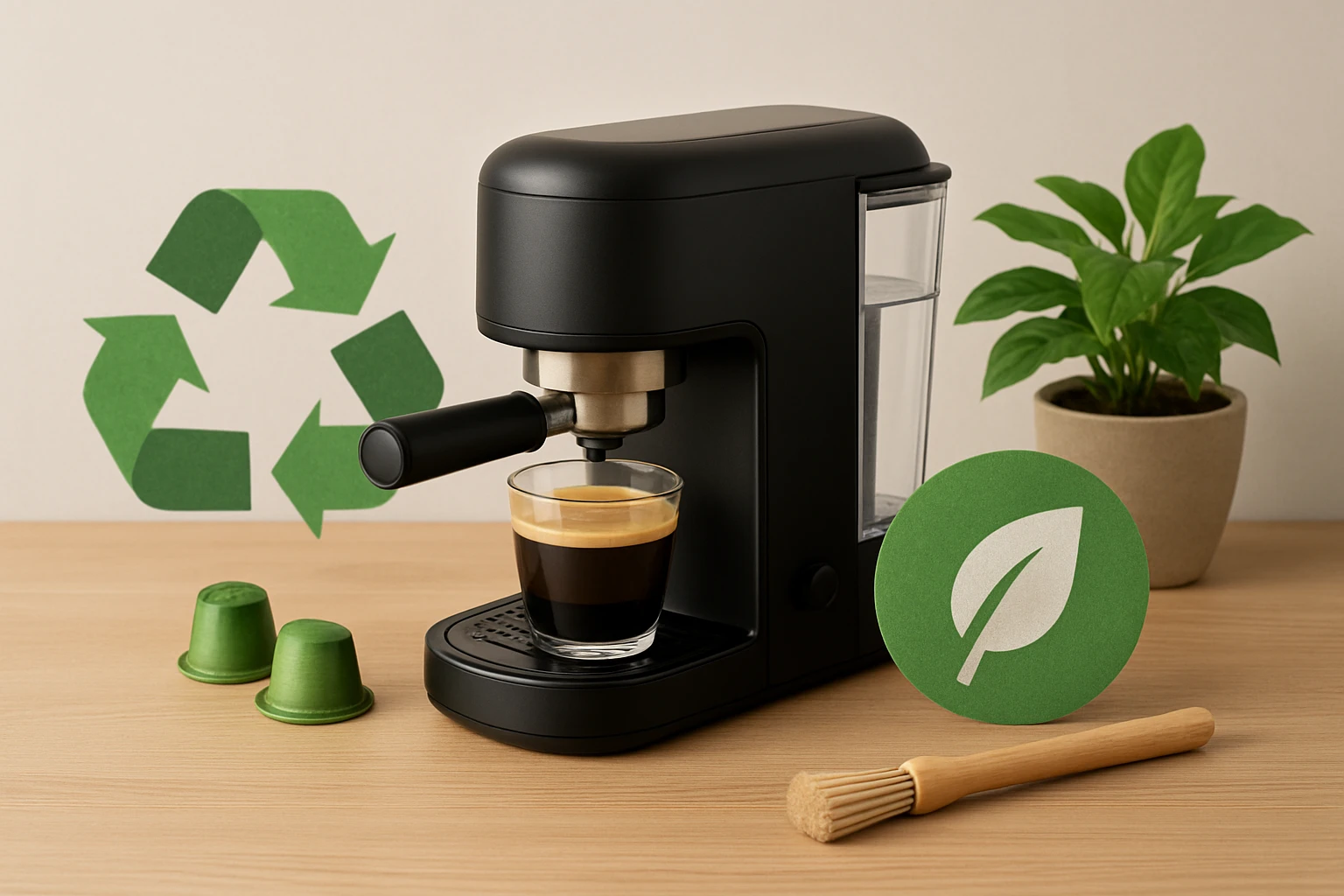
One machine that aligns with the sustainable criteria is the Gevi 20-Bar Espresso Machine. This model features a 20‑bar pump, NTC temperature control, and a pressure gauge that together ensure precise extraction while minimizing energy waste. The stainless‑steel housing provides durability and full recyclability at the end of its life. A powerful steam wand creates micro‑foam with efficient steam usage, and the compact footprint fits small kitchens without sacrificing performance. The machine carries a 4.4‑star rating from 2,947 reviews, indicating broad consumer satisfaction, and is priced at $126.99, offering an affordable entry point to sustainable espresso brewing.
Comparison and Selection Guide
To assist readers in choosing the right compact espresso machine, the following comparison matrix outlines essential attributes across three typical categories: entry‑level, mid‑range, and premium. The Gevi 20-Bar Espresso Machine occupies the mid‑range segment, balancing cost, feature set, and environmental considerations.
| Category | Typical Price | Bar Pressure | Material | Energy Features | Warranty |
|---|---|---|---|---|---|
| Entry‑Level | $80‑$120 | 15‑18 bar | Plastic housing | Basic on/off switch | 6‑month |
| Mid‑Range | $120‑$180 | 20 bar | Stainless steel | NTC temperature control, standby mode | 12‑month |
| Premium | $250‑$500 | 15‑19 bar (dual boiler) | Stainless steel + brass | Thermal insulation, programmable energy saver | 2‑year |
Readers should match their budget and sustainability goals with the attributes most important to their brewing routine. For households that prioritize durability and recyclable construction, the mid‑range stainless‑steel option offers the best compromise.
Best Practices for Sustainable Use
Implementing energy‑saving habits maximizes the environmental benefits of any espresso machine. Users should pre‑heat the machine during peak usage periods rather than cycling power on and off throughout the day. Descaling with biodegradable solutions prolongs boiler life and reduces chemical discharge into water systems. Regular cleaning of the steam wand and group head prevents residue buildup, which can otherwise increase energy consumption to maintain temperature stability.
Another practice involves batch brewing during gatherings to limit repeated heating cycles. By preparing multiple shots in succession, the machine remains at optimal temperature, thereby reducing overall power draw. Finally, consider using reusable metal or silicone filters instead of disposable paper filters to decrease waste generation.
Maintenance and Repairability
Routine maintenance extends product lifespan and reduces the frequency of replacements. The Gevi machine includes a removable froth nozzle that simplifies cleaning, and its stainless‑steel exterior can be wiped with a damp cloth without harsh chemicals. Users should inspect the pump seals quarterly and replace them if signs of wear appear; the manufacturer supplies compatible parts through authorized service channels.
When a component fails, consult the user manual for step‑by‑step disassembly instructions. Because the housing is fully stainless steel, most internal parts are accessible without specialized tools. Engaging with the brand’s 12‑month warranty and lifetime technical support ensures that minor issues are resolved without discarding the entire unit.
End‑of‑Life Recycling Options
At the end of its functional life, the machine should be directed to a recycling facility that accepts stainless steel and electronic components. Separate the electronic board, pump motor, and water reservoir, then place each in the appropriate recycling stream. Many municipalities provide curbside collection for metal appliances, while e‑waste centers handle circuit boards and wiring.
Some manufacturers offer take‑back programs that provide a discount on a future purchase when the old unit is returned. If such a program is unavailable, contact local recycling organizations to arrange safe disposal. Proper recycling prevents hazardous materials such as copper and lead from entering landfills.
FAQ
- What makes a compact espresso machine eco‑friendly? An eco‑friendly machine combines energy‑efficient heating, recyclable materials, modular design for repairs, and a responsible end‑of‑life plan.
- How much electricity does a 20‑bar pump consume? Typical 20‑bar pumps draw between 1000 and 1500 watts during operation, but advanced temperature control can reduce overall consumption by up to 30 percent.
- Can I use biodegradable descaling solutions safely? Yes, biodegradable descalers are compatible with stainless‑steel boilers and reduce environmental impact compared with acidic commercial products.
- Is the Gevi 20‑Bar Espresso Machine suitable for small apartments? Its compact footprint and stainless‑steel housing make it ideal for limited counter space while offering durable performance.
- What warranty coverage does the Gevi machine provide? The product includes a 12‑month warranty and lifetime technical support for issues arising from normal use.
- How can I minimize water waste when using the hot‑water function? Use the hot‑water feature to pre‑warm cups or prepare tea, which utilizes residual heat and reduces the need for separate heating appliances.
- Where can I find replacement parts? Authorized retailers and the manufacturer’s official website list compatible spare parts, ensuring that repairs do not require full unit replacement.
Conclusion
Sustainable coffee brewing is achievable through careful selection, efficient operation, diligent maintenance, and responsible recycling. By applying the checklist and best‑practice guidelines presented in this guide, readers can enjoy high‑quality espresso while minimizing environmental impact. The featured Gevi 20-Bar Espresso Machine demonstrates how compact design, recyclable materials, and energy‑saving technology can coexist in an affordable package. Continued consumer demand for eco‑friendly appliances will drive further innovation in the espresso machine market, benefitting both coffee enthusiasts and the planet.
Products Featured in This Guide
Gevi 20-Bar Espresso Machine
Price: $126.99
Rating: 4.4 out of 5 stars (2,947 reviews)
Why featured: This model combines a 20‑bar pump, stainless‑steel construction, energy‑saving temperature control, and a powerful steam wand within a compact footprint, exemplifying the principles of sustainable design discussed throughout the guide.
Frequently Asked Questions
What factors make a compact espresso machine eco‑friendly?
Low power consumption, recyclable stainless‑steel components, and modular design for easy repair and disassembly are key eco‑friendly attributes.
How can I assess the energy efficiency of a compact espresso machine before buying?
Check the wattage of the heating element, look for insulated boilers, and compare Energy Star or manufacturer efficiency ratings.
Are the materials used in sustainable espresso machines recyclable?
Yes, many models use stainless steel and high‑grade plastics that can be reclaimed through standard metal and plastic recycling streams.
What maintenance practices extend the lifespan of an eco‑friendly espresso machine?
Regular descaling, cleaning filters, and promptly repairing or replacing modular parts prevent premature waste.
How should I dispose of a compact espresso machine at end‑of‑life?
Disassemble according to the manufacturer’s guide and recycle metal parts, while sending electronic components to e‑waste facilities.