Introduction
Choosing a compact espresso machine that does not compromise health is a growing concern for many coffee enthusiasts. This guide explains how mold and allergen buildup can affect indoor air quality and personal well‑being, and it provides a systematic approach to selecting and maintaining a safe coffee maker. Readers will learn about the science of mold formation, key design features that reduce risk, and practical maintenance routines that keep the machine hygienic. In addition, the guide highlights two highly rated models that exemplify allergy‑friendly design while delivering barista‑level performance.
Background and Context
Espresso machines create a warm, moist environment that can become a breeding ground for mold spores if not properly managed. Mold thrives in temperatures between 20 °C and 30 °C and in the presence of residual water, both of which are common in espresso boilers and steam wands. For individuals with respiratory sensitivities, exposure to mold spores can trigger sneezing, wheezing, or more severe allergic reactions. Understanding the mechanisms of mold growth enables consumers to evaluate machines based on their ability to minimise moisture retention.
Modern compact machines incorporate features such as stainless‑steel boilers, removable water tanks, and automatic shut‑off functions to limit standing water. These design elements, when combined with regular cleaning, create a barrier against microbial colonisation. The following sections dissect these concepts and align them with real‑world product specifications.
Key Concepts for an Allergy‑Friendly Espresso Machine
1. Pressure System and Boiler Material
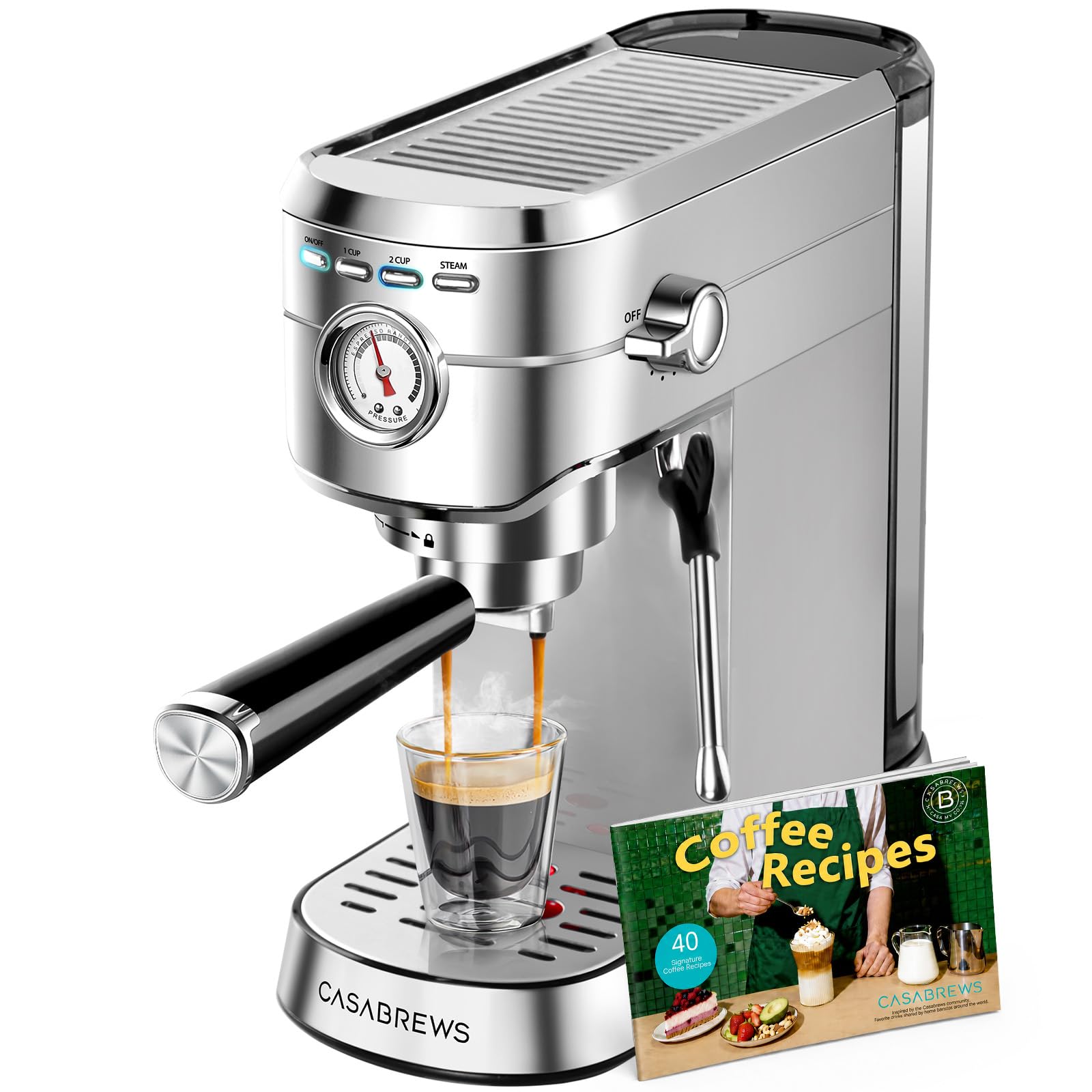
A high‑pressure pump, typically rated at 15–20 bar, forces water through finely ground coffee at temperatures near 93 °C. Stainless‑steel boilers are preferred because they resist corrosion and do not provide a porous surface for mold spores to adhere. The CASABREWS CM5418 Espresso Machine utilises a 20‑bar Italian pump and a 1350 W stainless‑steel boiler, delivering consistent extraction while limiting the formation of biofilm.
2. Removable Water Reservoir
A detachable water tank simplifies thorough cleaning and prevents stagnant water from accumulating. The CASABREWS model offers a 34‑oz removable tank that can be emptied, rinsed, and dried after each use, reducing the opportunity for mold spores to develop. In contrast, machines with integrated reservoirs may require more effort to achieve the same level of hygiene.
3. Steam Wand Design
Steam wands generate micro‑foam for latte art but also introduce moisture into the machine’s interior. A wand that can be purged and wiped after each frothing session helps to eliminate residual water. Both featured machines include steam or pressure‑based milk frothing systems; however, the CASABREWS unit provides a powerful wand that can be cleaned quickly, while the Breville Essenza Mini relies on a compact, low‑maintenance design with an automatic shut‑off after 25 seconds of heating.
4. Automatic Shut‑Off and Energy‑Saving Features
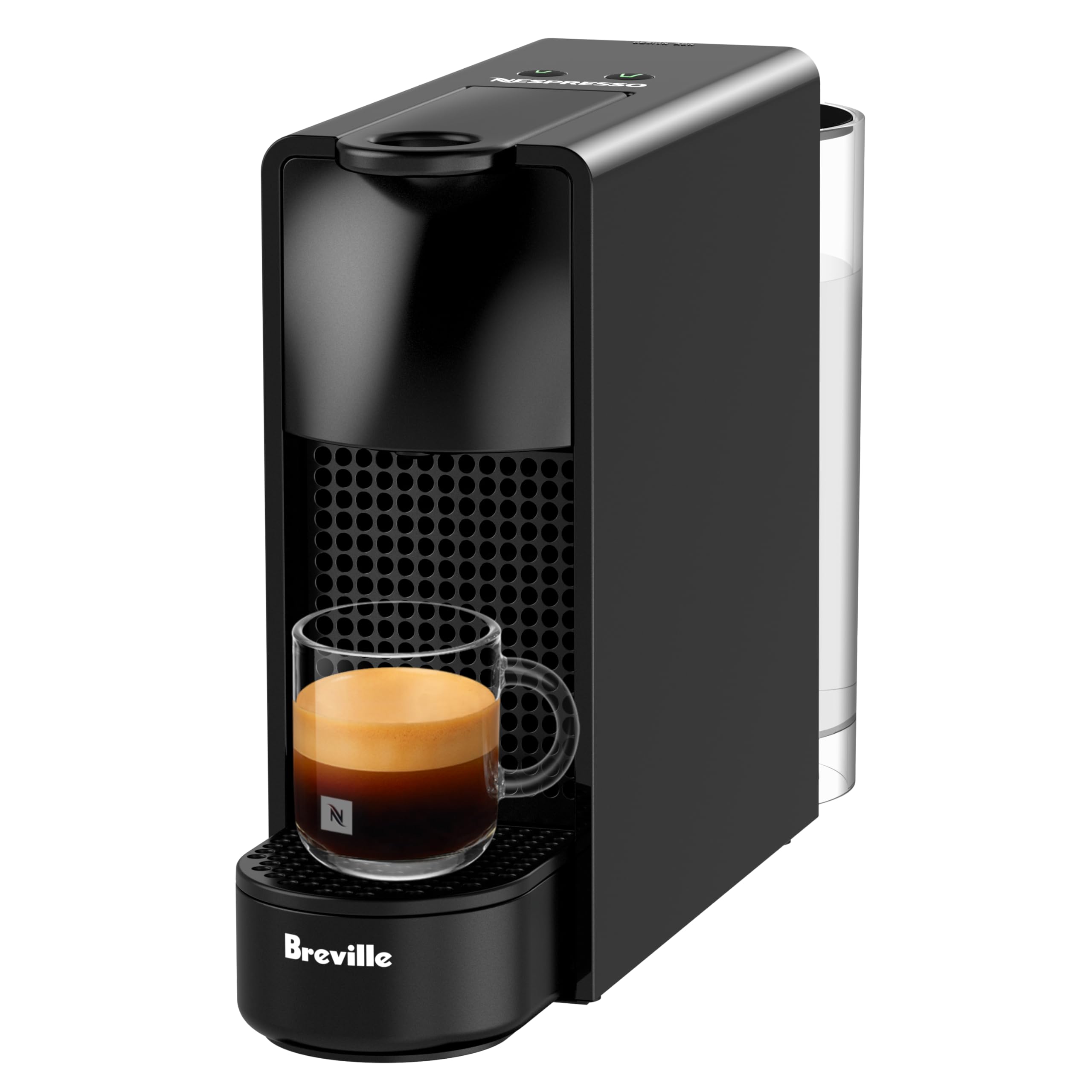
Machines that power down after a short idle period reduce the time that warm, moist components remain active. The Essenza Mini incorporates a 25‑second heat‑up and an energy‑saving automatic shut‑off, which limits the window for mold proliferation. This feature is particularly valuable for users who brew only one or two cups per day.
Product Recommendations Integrated with Concepts
When evaluating compact espresso machines for allergy‑sensitive households, the following two models stand out because they directly address the key concepts described above.
- CASABREWS CM5418 Espresso Machine – CAD 195.63, rating 4.3/5 from 7,890 reviews. Features a 20‑bar pressure system, stainless‑steel boiler, removable 34‑oz water tank, and a robust steam wand for milk frothing. Its compact footprint makes it suitable for small kitchens while providing professional‑grade extraction.
- Breville Essenza Mini – $179.95, rating 4.6/5 from 5,033 reviews. Offers a minimalist design, 25‑second heat‑up, automatic shut‑off, and single‑serve convenience. Although it lacks a dedicated steam wand, its low‑maintenance architecture reduces moisture retention.
Comparison and Selection Guide
| Feature | CASABREWS CM5418 | Breville Essenza Mini |
|---|---|---|
| Pressure (Bar) | 20 Bar professional pump | 19 Bar pump (standard for Nespresso) |
| Boiler Material | Stainless steel | Stainless steel |
| Water Tank Capacity | 34 oz removable | Integrated 0.6 L (non‑removable) |
| Milk Frothing | Powerful steam wand | No built‑in wand (uses external milk frother) |
| Heat‑Up Time | Approximately 1 minute | 25 seconds |
| Energy‑Saving Shut‑Off | Manual power button | Automatic after idle |
| Price (CAD/USD) | CAD 195.63 | $179.95 |
| Average Rating | 4.3/5 | 4.6/5 |
Consumers should match these specifications to their usage patterns. Users who frequently create milk‑based drinks will benefit from the CASABREWS steam wand, while those who prioritise speed and low maintenance may prefer the Essenza Mini.
Best Practices & Tips for Maintaining a Mold‑Free Machine
- Empty the water reservoir after each brewing cycle and allow it to dry completely before refilling.
- Run a cleaning cycle with a mixture of equal parts water and white vinegar once a month to dissolve mineral deposits that can harbour spores.
- Wipe the steam wand with a damp cloth immediately after frothing, then purge steam for a few seconds to expel residual moisture.
- Descale the boiler according to the manufacturer’s recommendations; for the CASABREWS model, use a commercial descaling solution compatible with stainless steel.
- Store the machine in a well‑ventilated area and avoid covering it when not in use, as trapped humidity encourages fungal growth.
By incorporating these routines, owners can preserve the flavour integrity of their espresso while protecting their respiratory health.
Frequently Asked Questions
- Q: How often should I descale my compact espresso machine?
A: Descaling every 30‑45 days is advisable for hard‑water regions; softer water may allow a longer interval of up to 90 days. - Q: Can I use a dishwasher‑safe water tank?
A: Yes, if the tank is labelled dishwasher‑safe. The CASABREWS removable tank can be placed on the top rack for a thorough clean. - Q: Is it necessary to use special milk for frothing?
A: Whole milk produces the richest micro‑foam, but low‑fat or plant‑based milks can also be frothed; they may require a slightly longer steam time. - Q: Will the automatic shut‑off feature affect coffee temperature?
A: The shut‑off activates only after a period of inactivity, so it does not impact the temperature of a brew that is currently being prepared. - Q: Are there any health risks associated with using a non‑stainless‑steel boiler?
A: Boilers made from aluminum or plastic can corrode or leach substances over time, potentially increasing allergen exposure. - Q: How can I tell if mold has developed inside my machine?
A: A faint, musty odor, discoloration on internal components, or visible growth on the water tank are common indicators.
Conclusion
Allergy‑friendly compact espresso machines combine thoughtful engineering with disciplined maintenance to deliver safe, high‑quality coffee. By prioritising stainless‑steel boilers, removable water reservoirs, and efficient shut‑off mechanisms, consumers can minimise the risk of mold and related allergens. The CASABREWS CM5418 Espresso Machine and the Breville Essenza Mini each embody these principles while catering to different user preferences. Implementing the cleaning practices outlined in this guide will extend the lifespan of the equipment and protect the health of all household members.
Products Featured in This Guide
CASABREWS CM5418 Espresso Machine
Price: CAD 195.63
Rating: 4.3/5 (7,890 reviews)
Featured for its 20‑bar professional pump, stainless‑steel boiler, removable 34‑oz water tank, and powerful steam wand that together create a mold‑resistant brewing environment.
Breville Essenza Mini
Price: $179.95
Rating: 4.6/5 (5,033 reviews)
Featured for its rapid 25‑second heat‑up, automatic energy‑saving shut‑off, and minimalist design that reduces moisture retention, making it ideal for users seeking low‑maintenance, allergy‑friendly performance.