How to Maintain Finishes on Compact Espresso Machines: Cleaning, Polishing & Protection Tips
Introduction
The appearance of a compact espresso machine reflects both its functional integrity and the owner’s attention to detail. One who maintains the exterior and internal surfaces will enjoy consistent performance, reduced wear, and a kitchen that looks professionally curated. This guide explains how to clean, descale, polish, and protect finishes, while recommending tools that simplify each stage. By following these instructions, one can extend the lifespan of the machine and preserve its aesthetic value.
What You’ll Need
- Soft, lint‑free microfiber cloths
- Non‑abrasive sponge or brush
- Warm distilled water
- Food‑grade white vinegar or citric acid solution
- Stainless‑steel polish (optional)
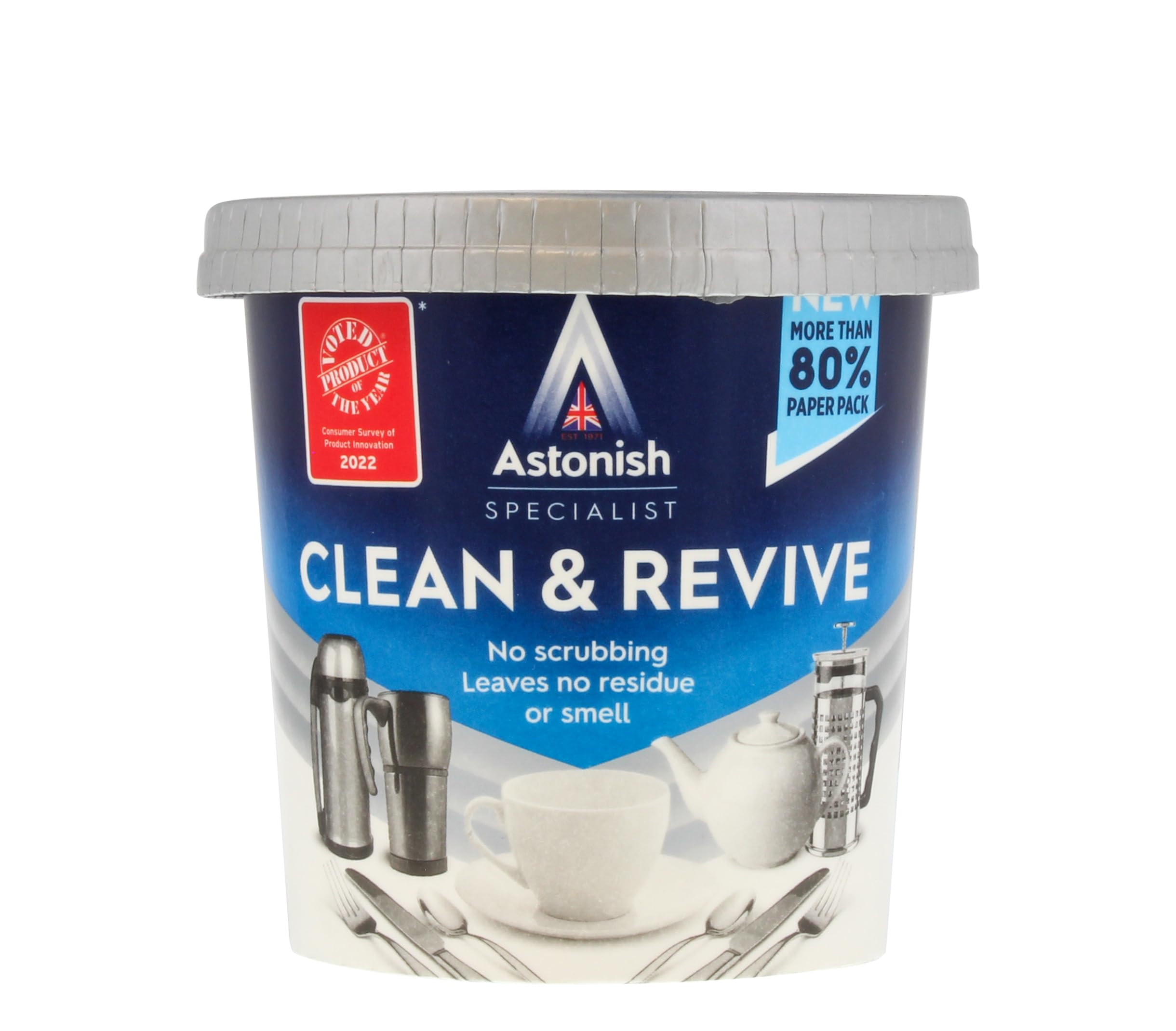
- Astonish Descaling Foaming Powder – $9.64, 4.6/5 rating (3,568 reviews)
Step 1: Prepare the Work Area and Gather Materials
Before commencing any cleaning operation, one should disconnect the machine from power and allow it to cool completely. This precaution prevents accidental burns and ensures that cleaning agents do not react with hot components. Place a tray beneath the machine to catch any runoff, and arrange all cleaning tools within easy reach. Having a systematic setup reduces the likelihood of missed spots and streamlines the workflow.
Step 2: Daily Surface Cleaning
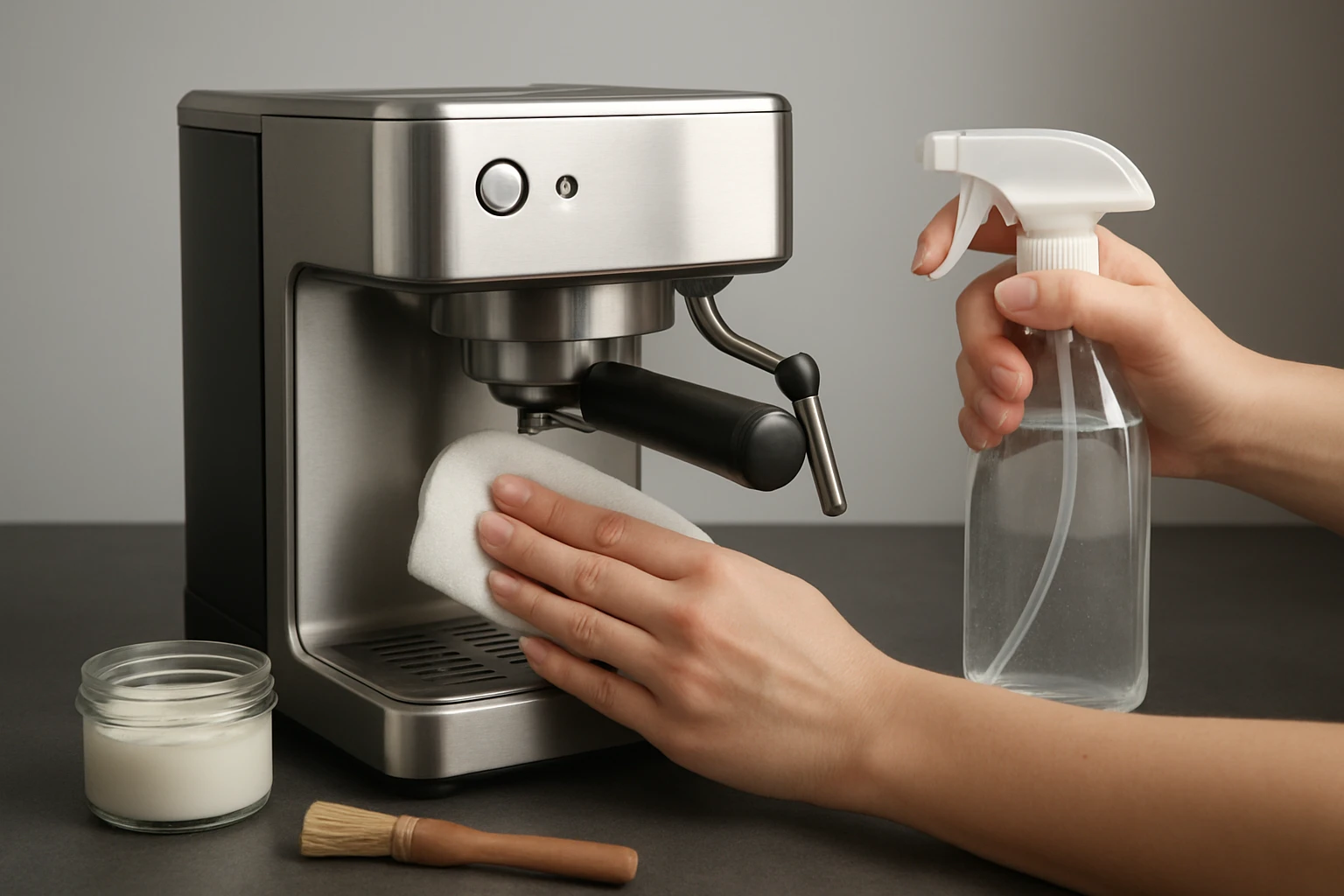
Each day, after brewing, wipe the exterior with a slightly damp microfiber cloth to remove coffee splatter and milk residue. For stubborn spots, dampen a non‑abrasive sponge and apply gentle circular motions; avoid using harsh scouring pads that can scratch stainless steel or painted surfaces. Rinse the cloth with clean water, wring out excess moisture, and give the machine a final dry pass to prevent water marks. Consistent daily cleaning prevents buildup that would otherwise require intensive restoration later.
Step 3: Descaling the Internal Boiler
Mineral deposits from hard water accumulate inside the boiler, reducing heating efficiency and potentially altering flavor. To dissolve these deposits, one should use a dedicated descaling agent that foams and penetrates the hidden chambers. The Astonish Descaling Foaming Powder is formulated to remove limescale from glazed ceramics, glass, stainless steel, and plastic components, making it suitable for espresso machine boilers.
Measure one level scoop of the powder and add it to a litre of hot (not boiling) distilled water, stirring until a rich foam forms. Fill the machine’s water reservoir with the solution, then run a brewing cycle without coffee grounds, allowing the foam to circulate through the internal pathways. After the cycle, let the solution sit for 1–2 hours to maximize mineral dissolution. Finally, flush the system by running two to three cycles of clean water to remove any residual powder, ensuring that no taste alteration remains.
The product’s vegan, cruelty‑free formulation and sustainable packaging align with environmentally conscious practices, while its 4.6‑star rating confirms reliable performance across thousands of households.
Step 4: Polishing Stainless‑Steel Exterior
Stainless‑steel accents provide a sleek, modern look but are prone to fingerprints and water spots. After the boiler has been descaled and the machine is dry, apply a small amount of stainless‑steel polish to a clean microfiber cloth. Rub the polish in the direction of the grain using light pressure, then buff to a high shine with a second dry cloth. This step restores luster without compromising the protective oxide layer that guards against corrosion.
Step 5: Protecting Finishes with Routine Care
Long‑term protection involves establishing a maintenance schedule that alternates between light cleaning and deeper restorative actions. Perform daily surface wipes, weekly descaling (or monthly for very hard water), and monthly polishing to keep the finish immaculate. Store the machine in a dry environment, and avoid exposing it to direct sunlight for extended periods, as UV radiation can fade painted panels.
When traveling or storing the machine for an extended period, cover it with a breathable fabric cover to prevent dust accumulation while allowing moisture to escape. Regular inspection of seals and gaskets will reveal early signs of wear, enabling timely replacement before leaks develop.
Tips & Pro Tips
- Use distilled water for all brewing and cleaning steps to minimize mineral buildup.
- Test any new cleaning solution on a hidden area first to confirm material compatibility.
- When using the foaming powder, avoid contact with gold, silver, or aluminum components, as the formulation is not intended for those metals.
- For stubborn stains on the drip tray, soak the tray in a mixture of warm water and a half‑scoop of the foaming powder for 30 minutes before scrubbing.
- Maintain a log of cleaning dates; this habit reinforces consistency and provides a reference for warranty service.
Troubleshooting
Problem: Persistent scale rings after descaling.
Solution: Repeat the descaling cycle using a higher concentration of the foaming powder, allowing the solution to soak for an additional hour before flushing.
Problem: Streaks appear after polishing.
Solution: Ensure the polishing cloth is completely clean and free of dust; use a second dry cloth to buff out any remaining residue.
Conclusion
By adhering to the systematic approach outlined above, one can maintain the finishes on compact espresso machines with confidence and precision. Daily cleaning, regular descaling with Astonish Descaling Foaming Powder, careful polishing, and proactive protection together safeguard both aesthetic appeal and functional performance. Consistent care not only enhances the visual presentation of the machine but also contributes to consistent coffee quality for years to come.
Products Mentioned in This Guide
Frequently Asked Questions
How often should I descale my compact espresso machine to protect its finish?
Descale every 1‑2 months, or after 30–40 brewing cycles, using a food‑grade vinegar or citric acid solution to prevent mineral buildup.
What type of cloth is safest for polishing stainless‑steel surfaces on an espresso machine?
Use a soft, lint‑free microfiber cloth; avoid paper towels or abrasive pads that can scratch the finish.
Can I use regular household cleaners on the exterior of my compact espresso machine?
No, stick to non‑abrasive sponges and distilled water; harsh chemicals can dull or damage the coating.
Is stainless‑steel polish necessary for routine maintenance?
Polish is optional and should be applied only occasionally to restore shine after thorough cleaning.
What are the key steps to protect the machine’s finish after cleaning?
Dry the surface with a microfiber cloth, apply a thin layer of food‑grade oil or polish if desired, and store the machine in a dust‑free area.