How to Get Cafe-Quality Crema from a Compact Espresso Machine: Step-by-Step Guide for Home Baristas
In this guide, the reader will learn how to extract a thick, golden crema that resembles the output of a professional café. The techniques described combine scientific principles with practical experience, allowing the home barista to achieve consistent results. Understanding each variable empowers the user to adapt the process to different beans, water sources, and equipment. The value of mastering crema lies in the enhanced flavor perception and visual appeal of every espresso shot.
What You Will Need
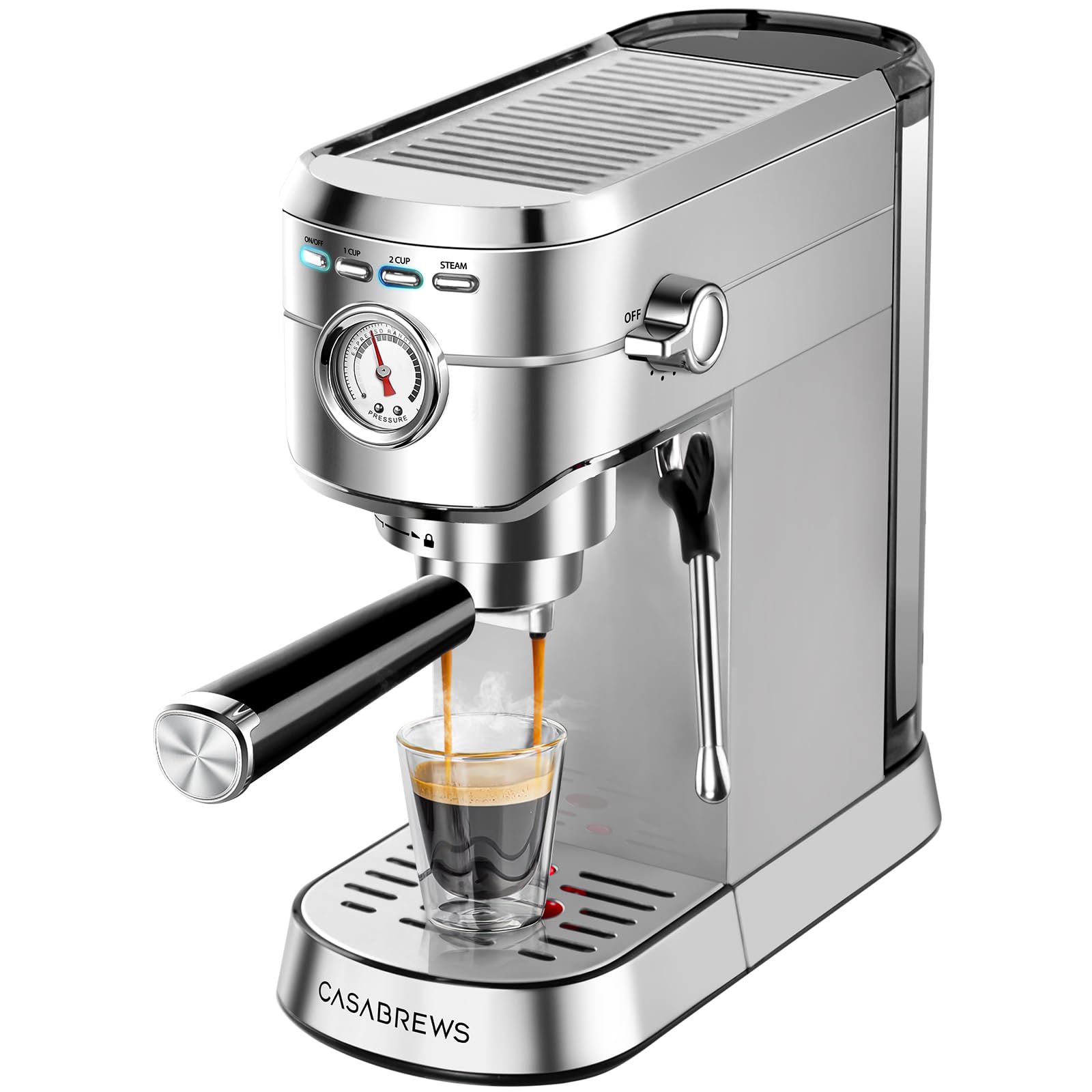
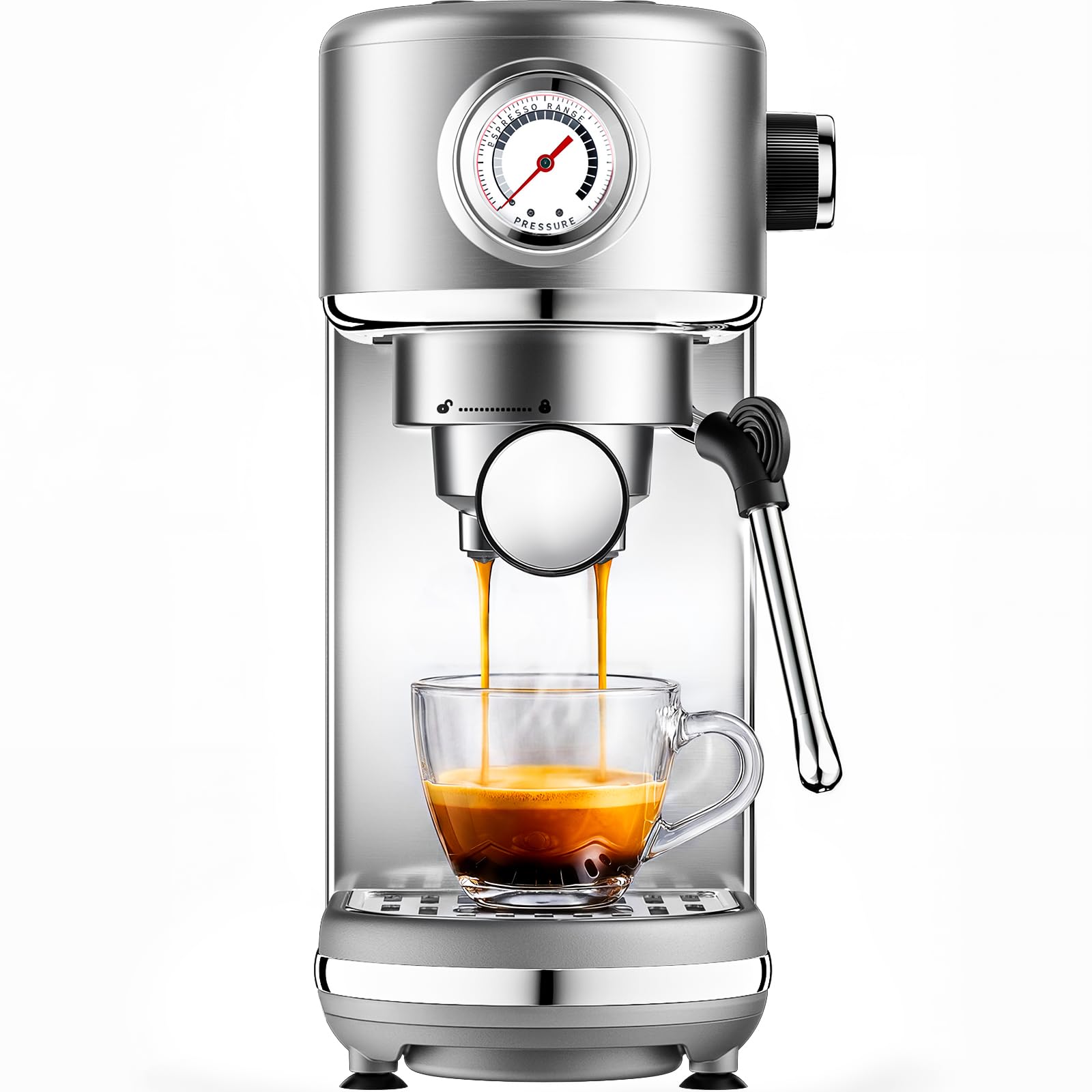
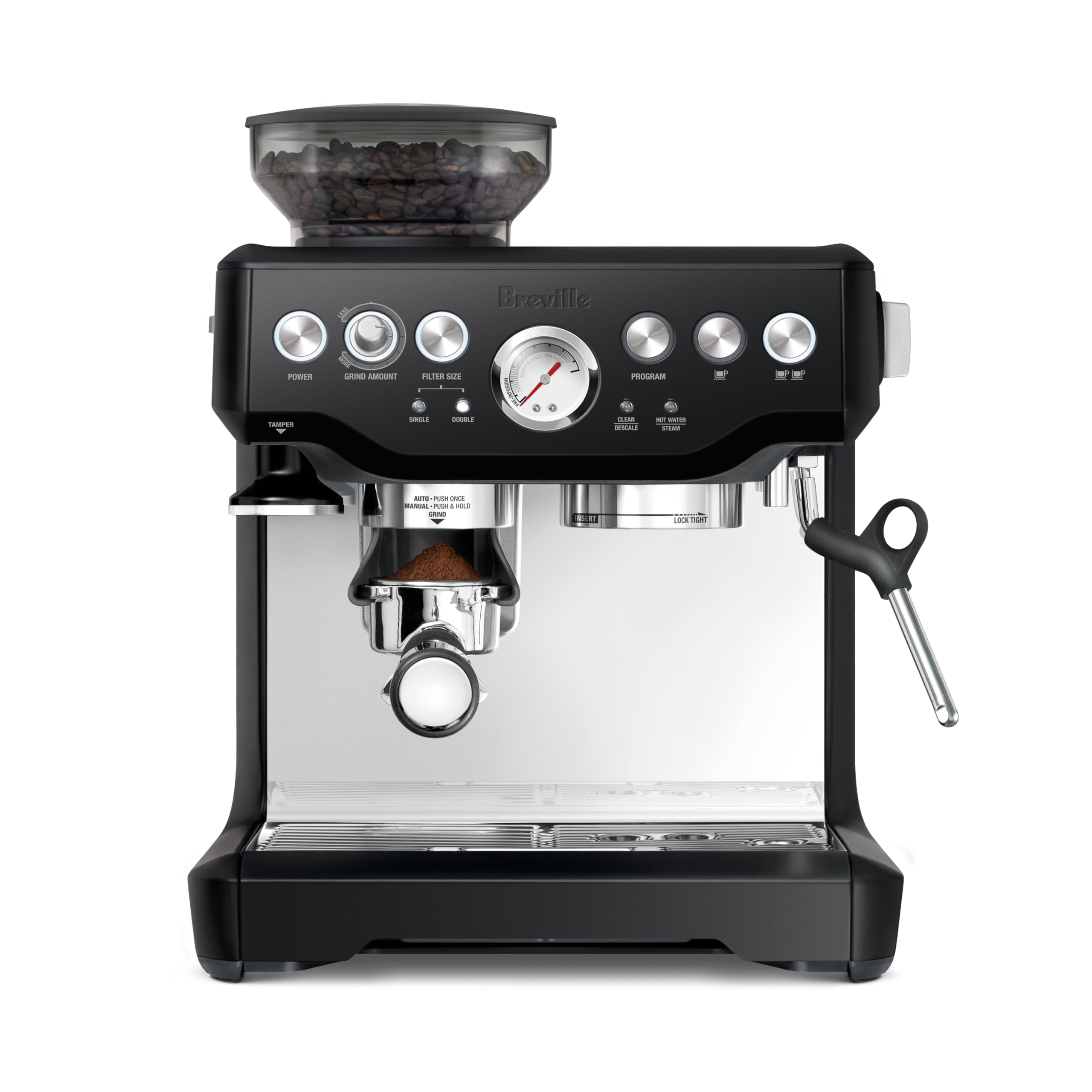
- Compact espresso machine (examples: Atatix 20 Bar Espresso Machine, Casabrews CM5418 Espresso Maker, or Breville Barista Express)
- Freshly roasted coffee beans (ideally 18‑22 grams per shot)
- Burr grinder capable of 0.1 mm adjustments
- Precision kitchen scale (0.1 g accuracy)
- Tamper with ergonomic handle
- Thermometer for water temperature verification
- Cleaning brush and microfiber cloth
Step 1: Warm the Machine and Stabilize Temperature
The first step is to allow the espresso machine to reach its optimal operating temperature. Activate the power button and wait until the indicator lights remain steady, indicating that the boiler has stabilized. For machines with a built‑in pressure gauge, such as the Atatix 20 Bar Espresso Machine, the gauge should read close to 9 bars before proceeding. This model features a 1350 W boiler and a fast‑heat system, which reduces warm‑up time to approximately two minutes.
Why this matters is that temperature fluctuations directly affect the solubility of coffee oils, which are responsible for crema formation. A stable temperature ensures that the extraction pressure is applied evenly across the coffee puck. If the machine is not fully heated, the resulting shot will be under‑extracted, producing a thin or nonexistent crema.
During this warm‑up phase, it is advisable to run a short blank shot (no coffee) to purge any residual water and to confirm that the pressure gauge reads within the target range. This practice also clears any steam that may have accumulated during previous frothing sessions.
Step 2: Measure and Grind Fresh Coffee
Accurate dosing is essential for achieving the correct brew ratio, which typically ranges from 1:2 to 1:2.5 (coffee weight to liquid weight). Place a portafilter on a precision scale, tare the scale, and add 18‑20 grams of beans. The Breville Barista Express integrates a conical burr grinder that delivers dose‑control grinding directly into the portafilter, eliminating the need for a separate grinder in many scenarios.
Set the grinder to a fine setting that produces a texture similar to granulated sugar. The grind size influences the flow rate; a finer grind increases resistance, which can enhance crema thickness if the pressure remains stable. After grinding, gently tap the portafilter to settle the grounds evenly.
Why fresh grinding matters is that coffee begins to oxidize immediately after the beans are ground, causing the aromatic compounds to dissipate. Using beans roasted within the past two weeks maximizes the availability of carbon dioxide, a gas that expands during extraction and contributes to crema formation.
Step 3: Distribute, Tamp, and Verify Pressure
Even distribution of coffee grounds prevents channeling, a phenomenon where water finds paths of least resistance and bypasses much of the coffee bed. Use a distribution tool or a gentle tapping motion to level the puck. Follow this with a firm tamp using a tamper that matches the portafilter diameter; apply approximately 30 lb of pressure.
After tamping, inspect the surface for a smooth, glossy finish. A uniform surface promotes consistent water flow, which is critical for generating the micro‑foam that appears as crema. Insert the portafilter into the machine and engage the brew cycle. The Casabrews CM5418 Espresso Maker includes a built‑in pressure gauge that allows the user to confirm that the pump is delivering the target 20 bars during extraction.
Why tamping is important lies in its effect on resistance. An uneven tamp creates low‑pressure zones, leading to under‑extraction in some areas and over‑extraction in others, both of which diminish crema quality.
Step 4: Initiate Extraction and Observe Timing
Begin the extraction and use a timer to monitor the flow. A standard double shot should yield 36‑40 ml of espresso within 25‑30 seconds. The Atatix 20 Bar Espresso Machine offers a manual long extraction mode that permits the user to extend the brew time up to 102 seconds, which can be useful for experimenting with Americano‑style drinks while still preserving crema.
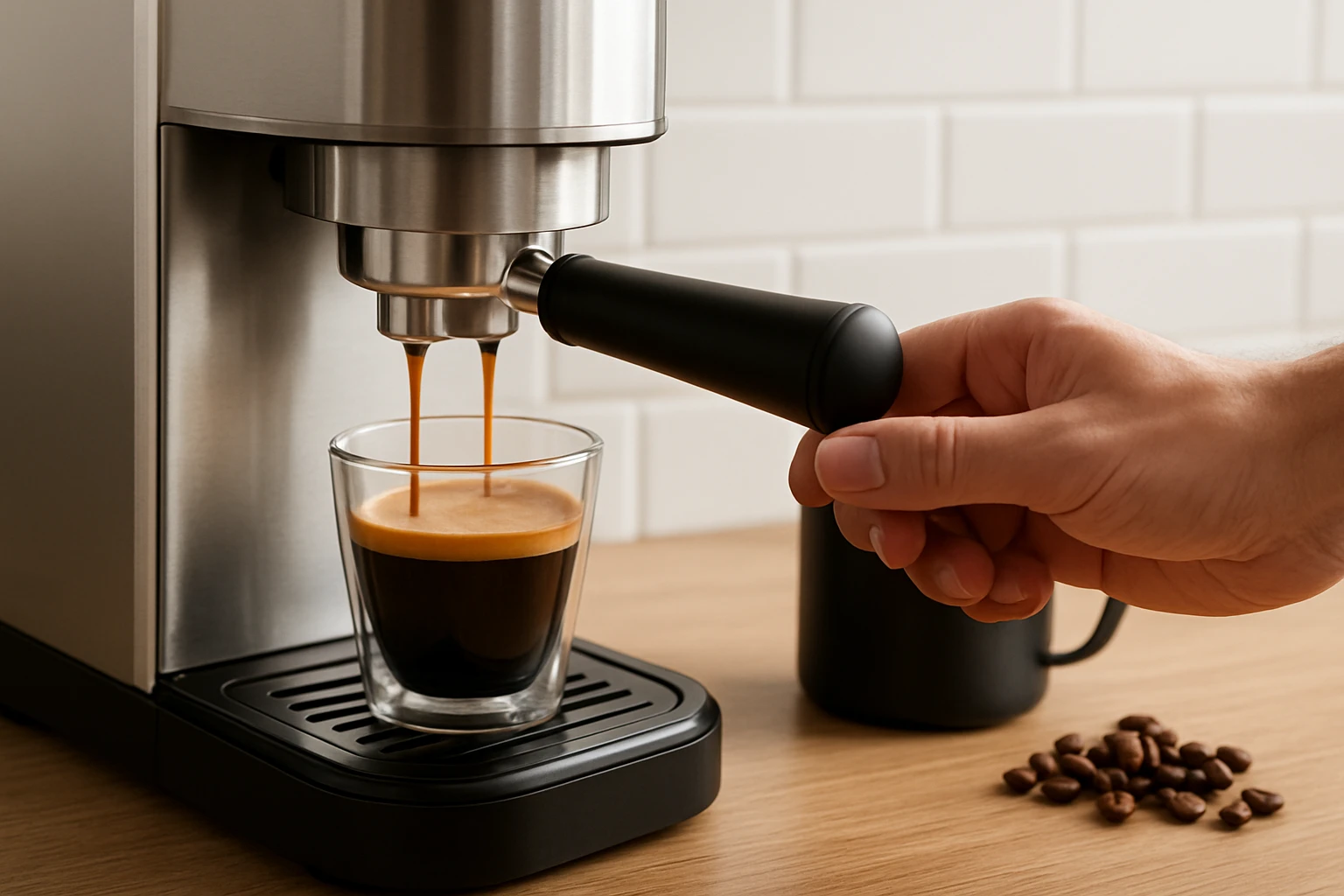
Observe the color and texture of the emerging espresso. The ideal crema appears as a thick, caramel‑brown foam that persists for at least 30 seconds after the shot ends. If the crema dissipates quickly, consider adjusting grind size, dose, or tamp pressure.
The physics behind crema involves emulsified oils and trapped carbon dioxide that are forced out of the coffee grounds under high pressure. Maintaining a consistent extraction pressure throughout the shot maximizes the amount of gas that remains suspended in the liquid, resulting in a richer crema.
Step 5: Cool the Machine Before Frothing Milk
After completing the espresso extraction, allow the machine to cool for a brief period before engaging the steam wand. Both the Atatix 20 Bar Espresso Machine and the Casabrews CM5418 Espresso Maker feature a protection mode that activates if the internal temperature becomes excessive. This mode is indicated by flashing lights on the 1‑cup or 2‑cup indicators.
Allowing the boiler to cool prevents overheating, which can cause a temporary loss of pressure and negatively affect subsequent shots. Follow the manufacturer’s guidance to cool the machine by turning off the steam function and waiting until the indicator lights cease flashing.
Why this step is recommended is that a stable pressure environment ensures that the next extraction will produce crema of comparable quality, preserving consistency across multiple drinks.
Tips & Pro Tips
- Use filtered water with a mineral content of 150‑200 ppm to avoid scale buildup and to promote optimal extraction.
- Store beans in an airtight container away from light and heat to maintain freshness.
- Periodically backflush the machine with a blind filter to remove coffee oils that can clog the pump.
- Experiment with the manual long extraction mode on the Atatix 20 Bar Espresso Machine to create Americano‑style beverages while retaining a thin crema layer.
- Adjust the grind size in 0.1 mm increments; even small changes can have a noticeable impact on crema thickness.
Troubleshooting
| Problem | Possible Cause | Solution |
|---|---|---|
| Thin or no crema | Under‑extracted coffee, low pressure, stale beans | Increase grind fineness, verify pump pressure, use fresher beans. |
| Bitter crema | Over‑extracted coffee, too hot water | Reduce extraction time, lower water temperature to 90‑94 °C. |
| Machine enters protection mode | Overheating after milk frothing | Allow boiler to cool, follow manufacturer cooling procedure. |
| Uneven extraction | Improper tamping or distribution | Use a distribution tool, tamp with consistent pressure. |
Conclusion
By following the systematic approach outlined above, the home barista can reliably produce espresso shots with a thick, velvety crema that rivals that of a commercial café. Mastery of temperature control, grind precision, tamp consistency, and pressure monitoring creates the foundation for exceptional espresso. The recommended compact machines—Atatix 20 Bar Espresso Machine, Casabrews CM5418 Espresso Maker, and Breville Barista Express—provide the necessary tools to implement these techniques without excessive expense. Continued practice and periodic equipment maintenance will ensure that each cup delivers the desired crema and flavor profile.
Products Mentioned in This Guide
Frequently Asked Questions
What factors affect crema formation on a compact espresso machine?
Crema depends on bean freshness, grind size, dose, water temperature, pressure, and proper tamping.
How fine should I grind coffee beans for optimal crema?
Aim for a 0.1 mm burr setting that produces a fine, uniform particle size without becoming powdery.
Why is water temperature important for crema, and what temperature should I use?
Water between 90‑96 °C extracts oils and CO₂ efficiently, creating a thick golden crema.
How does tamping pressure influence crema quality?
A consistent 30‑35 psi tamp creates even resistance, allowing uniform extraction and better crema.
Can I achieve cafe-quality crema with pre‑ground coffee?
It’s unlikely, as pre‑ground coffee loses CO₂ and freshness, which are essential for a rich crema.