Introduction
The cold months present a unique challenge for owners of compact espresso machines living in RVs or tiny homes. Freezing temperatures can cause water lines to expand, seals to crack, and electronic components to malfunction. This guide explains how to winterize a compact espresso machine, ensuring reliable performance when the weather turns harsh. By following these steps, one will protect the investment and continue to enjoy high‑quality coffee year after year.
What You’ll Need
- Soft microfiber cloths for cleaning and drying
- Food‑grade silicone sealant for protecting gaskets
- Portable dehumidifier or moisture‑absorbing packets
- Insulating blankets or heat‑wrap kits for the machine
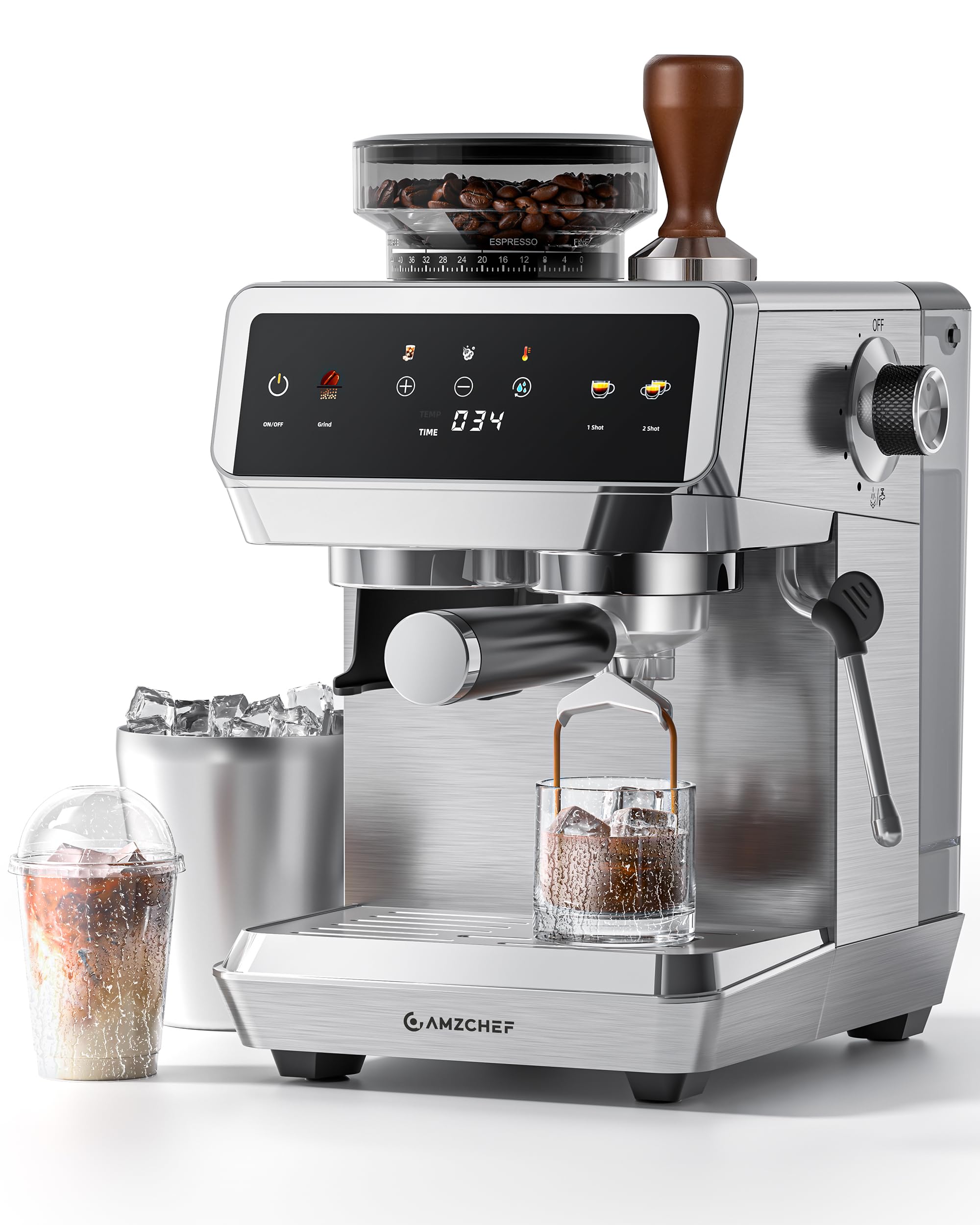
- AMZCHEF Espresso Machine – a compact unit with temperature control, built‑in grinder, and easy‑maintenance design ($199.99, 4.7/5 stars, 50 reviews)
Step 1: Drain the Water Reservoir and Internal Lines
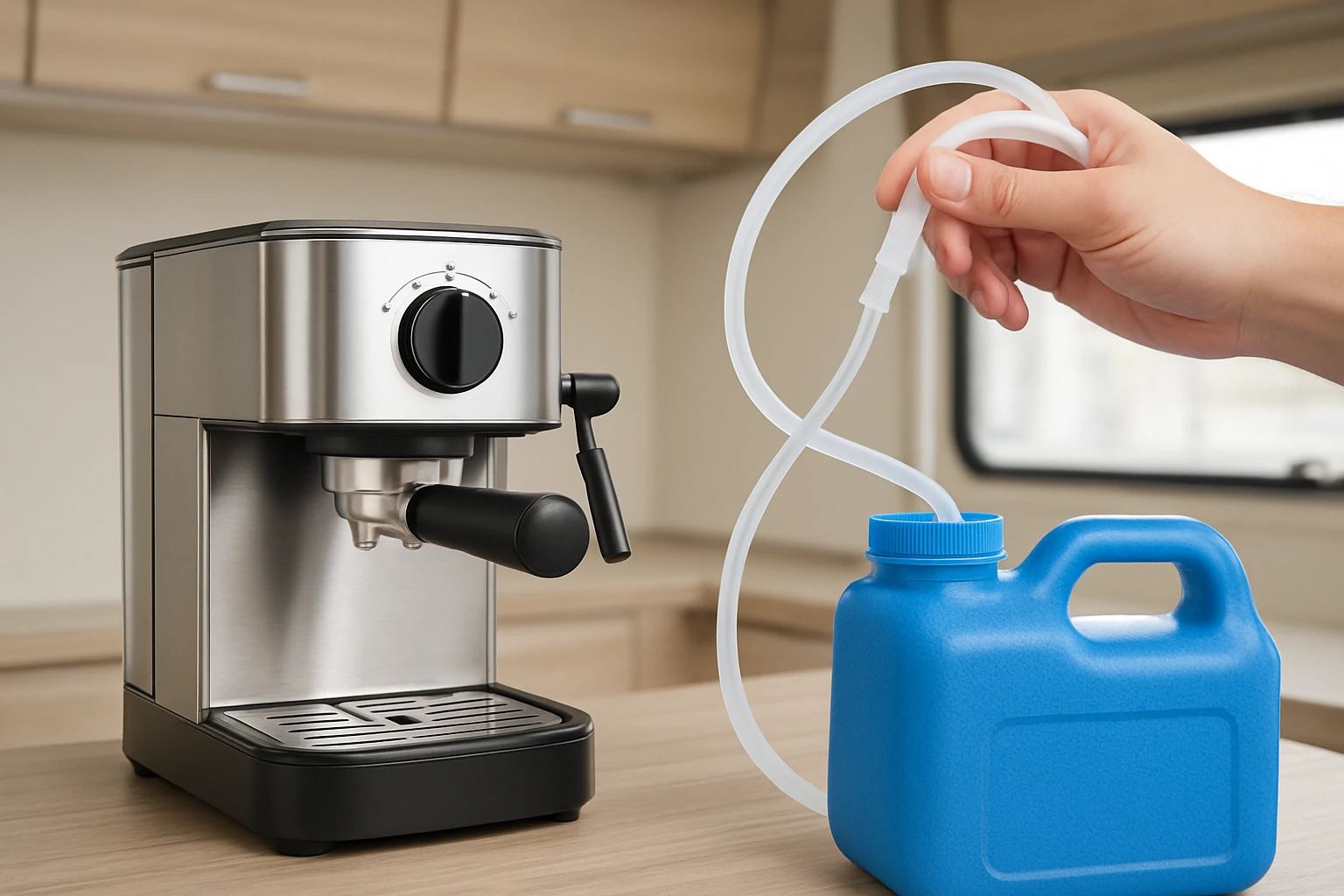
The first priority is to remove all water from the reservoir, boiler, and internal tubing. Empty the 60 oz water tank, then run a short brew cycle without coffee to push residual water through the pump and steam wand. After the cycle, use a soft cloth to wipe the interior surfaces, ensuring no droplets remain that could freeze. This step eliminates the primary source of expansion that leads to cracked components.
Step 2: Clean and Descale the Machine
Even after draining, mineral deposits can attract moisture and cause corrosion when temperatures drop. Activate the machine’s built‑in descaling function, which circulates a diluted vinegar solution to dissolve scale buildup. Rinse thoroughly by running several cycles of fresh water until no vinegar odor remains. A clean system reduces the risk of freeze‑induced blockages and extends the lifespan of the heating element.
Step 3: Protect Seals and Gaskets with Silicone Sealant
Rubber gaskets are vulnerable to becoming brittle in sub‑zero conditions. Apply a thin layer of food‑grade silicone sealant around the brew group, water inlet, and steam wand connections. The sealant creates a flexible barrier that prevents moisture ingress while maintaining the machine’s pressure integrity. This protective coating is especially valuable for RVs that experience rapid temperature fluctuations.
Step 4: Insulate the Machine
Encasing the espresso machine in an insulating blanket or heat‑wrap kit helps maintain a stable internal temperature. Choose a material rated for at least -20 °F and secure it with adjustable straps. For added safety, place a low‑wattage thermostatically controlled heater beneath the blanket to provide gentle warmth during extreme cold snaps. Insulation also reduces energy consumption when the machine is later reheated.
Step 5: Control Ambient Moisture
High humidity inside an RV or tiny home can lead to condensation on the machine’s exterior, which later freezes. Position a portable dehumidifier near the coffee station or distribute moisture‑absorbing packets in the surrounding cabinets. Maintaining relative humidity below 50 % limits ice formation on metal surfaces and electrical contacts. Regularly check the dehumidifier’s reservoir to ensure optimal performance.
Step 6: Store the Machine in a Protected Location
If the espresso machine will not be used for an extended period, relocate it to a climate‑controlled storage compartment. Elevate the unit on a shelf to avoid contact with cold floor surfaces, and keep it covered with the same insulating blanket used previously. Ensure the storage area remains above freezing, ideally between 50 °F and 70 °F, to prevent latent moisture from seeping into internal components.
Step 7: Verify Electrical Connections and Power Supply
Cold weather can affect power cords and outlet stability. Inspect the machine’s plug, cord, and any extension cables for signs of wear or fraying. Use a surge protector with built‑in voltage regulation to safeguard the electronics from power surges that are common during winter storms. Secure the cord to prevent accidental tripping, which could damage the outlet or the machine itself.
Tips & Pro Tips
- Label the water tank with a reminder to drain it before the first frost; visual cues improve compliance.
- Consider using distilled water for brewing; it reduces mineral buildup and eases the descaling process.
- When using an insulating blanket, leave a small vent for airflow to avoid overheating the machine’s electronics.
- Test the machine’s temperature control after winterization by brewing a single shot; adjust settings if the espresso is under‑extracted.
- Keep a spare silicone sealant tube on hand; re‑application may be necessary after each winter cycle.
Troubleshooting
Problem: The machine fails to power on after winter storage.
Solution: Verify that the outlet is live, inspect the cord for damage, and reset the built‑in thermal fuse by allowing the unit to cool for 30 minutes before attempting again.
Problem: Water leaks from the brew group during the first post‑winter brew.
Solution: Check the silicone sealant for gaps, re‑apply if necessary, and ensure the gaskets are properly seated before restarting the machine.
Conclusion
Winterizing a compact espresso machine involves systematic draining, cleaning, sealing, insulating, and moisture control. By following the steps outlined above, owners of RVs or tiny homes can prevent freezing damage and maintain the ability to brew premium coffee throughout the cold season. The recommended AMZCHEF Espresso Machine offers built‑in features such as precise temperature control and easy descaling, making it an ideal candidate for these protective measures. Implement these practices each year, and the machine will provide reliable service for many winters to come.
Products Mentioned in This Guide
Frequently Asked Questions
How do I properly drain a compact espresso machine before winterizing?
Empty the water reservoir, boiler, and all internal tubing, then use a soft cloth to wipe residual moisture from the interior.
What type of sealant should I use to protect gaskets during winter storage?
Apply a food‑grade silicone sealant to all gaskets to prevent cracks from freezing expansion.
Can I use a portable dehumidifier to protect my espresso machine in an RV?
Yes, run a portable dehumidifier or place moisture‑absorbing packets near the machine to keep humidity low.
How can I insulate my compact espresso machine for cold temperatures?
Wrap the unit with insulating blankets or a heat‑wrap kit to maintain a stable temperature and avoid freezing.
Is it necessary to clean the machine before winter storage?
Yes, clean the group head and drip tray with a microfiber cloth to remove coffee oils that can solidify in the cold.