How to Store a Compact Espresso Machine in Your Pantry Closet: Step‑by‑Step Space‑Saving & Maintenance Tips
Introduction
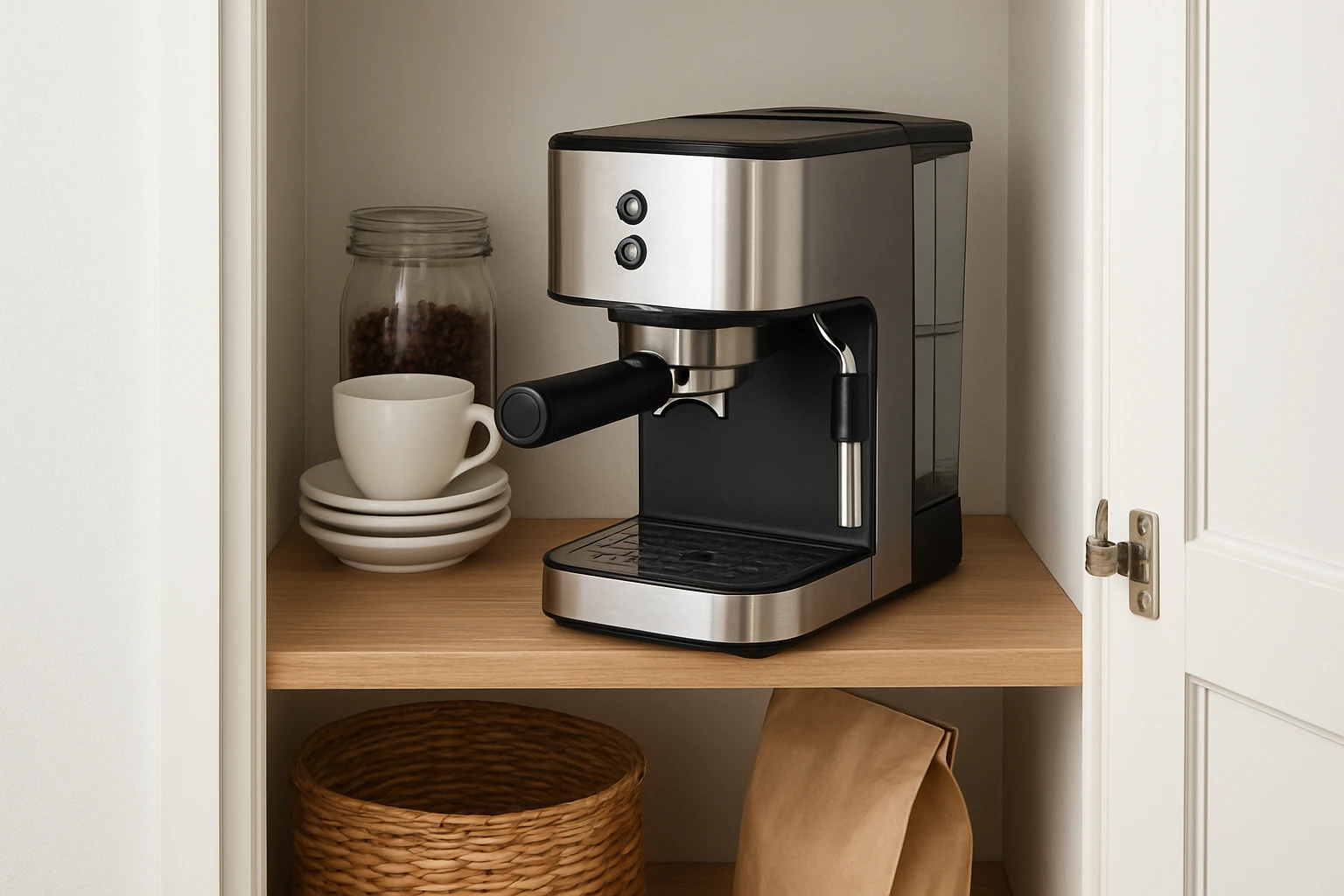
One often overlooks the importance of proper storage for a compact espresso machine, yet an organized pantry closet can protect the appliance and extend its lifespan. In this guide, the reader will learn how to evaluate available space, clean and disassemble the machine, and arrange accessories for optimal ventilation. The instructions combine practical household techniques with targeted product recommendations that simplify each stage. By following these steps, one can keep a high‑quality espresso machine ready for daily use without sacrificing valuable kitchen real estate.
What You’ll Need
- A soft microfiber cleaning cloth
- Food‑grade silicone mat (optional for added protection)
- Vacuum‑sealed storage bag for accessories
- Measuring cup for residual water
- Breville Bambino Espresso Machine – for reference on size and removable components
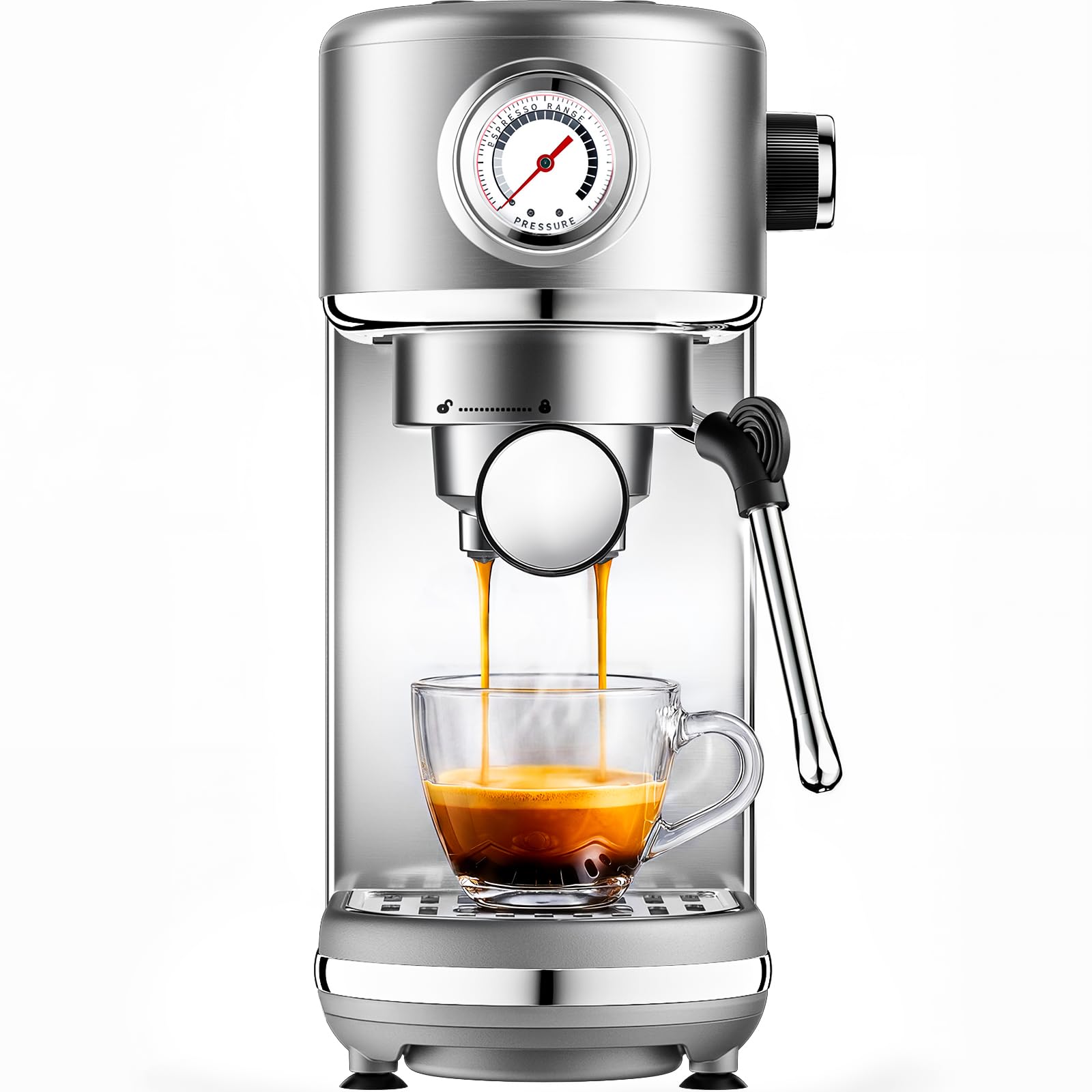
- atatix Compact Espresso Machine – for reference on detachable water tank
Step 1: Measure and Plan Your Pantry Closet Space
Begin by removing any items currently stored in the pantry closet and measuring the interior width, depth, and height with a tape measure. Record the dimensions and compare them to the footprint of your espresso machine; the Breville Bambino occupies roughly 7.5" × 7.5" × 12.5" while the atatix model measures about 10" × 7" × 13". Allocate at least two inches of clearance on each side to allow airflow and prevent heat buildup. Sketch a simple layout on paper, marking where the machine, water tank, and accessories will sit, and note any shelves that may need to be lowered or removed.
Why this matters: Proper ventilation reduces the risk of internal moisture condensation, which can cause electrical corrosion over time. A well‑planned layout also eliminates the need to repeatedly shift the machine, protecting both the appliance and surrounding pantry items.
Step 2: Perform a Thorough Cleaning Before Storage
Before placing the espresso machine in a confined space, clean all removable parts to avoid mold, mineral deposits, and lingering coffee oils. Detach the portafilter, steam wand, and drip tray. Rinse the portafilter under warm water and wipe the steam wand with a damp microfiber cloth, ensuring no milk residue remains. For the Breville Bambino, the automatic micro‑foam wand can be purged by running water through it for ten seconds; the atatix steam wand requires a similar flush.
Next, fill a measuring cup with half a cup of distilled water and run a short brew cycle without coffee grounds; this clears the internal pathways of any remaining espresso particles. Dispose of the water, then wipe the exterior with a dry microfiber cloth. Cleaning at this stage prevents unpleasant odors and extends the machine’s service life.
Step 3: Remove and Store the Water Tank Securely
Both machines feature detachable water reservoirs that are prone to leakage if left inside a closed closet. For the atatix Compact Espresso Machine, the 44 oz removable water tank can be lifted straight out of the base. Empty any residual water into a sink, then dry the tank with a clean cloth. Place the tank inside a vacuum‑sealed storage bag to protect it from dust and accidental spills.
If you own the Breville Bambino, the water tank is integrated but can be emptied by opening the reservoir lid and pouring out the water. After drying, store the tank in a small, breathable container to avoid condensation. Using a dedicated storage container for the tank ensures that no water drips onto pantry shelves, which could damage other items.
Step 4: Protect the Machine with a Silicone Mat (Optional)
Place a food‑grade silicone mat on the pantry shelf before positioning the espresso machine. The mat provides a non‑slip surface, absorbs minor spills, and protects the countertop from heat marks. While not strictly necessary, this low‑cost accessory adds an extra layer of safety, especially in a high‑traffic pantry where other items may be moved frequently.
Choosing a silicone mat over a traditional fabric liner is advantageous because silicone tolerates the occasional heat from a warm machine without warping, and it is easy to wipe clean with a damp cloth.
Step 5: Position the Machine for Optimal Ventilation
Place the espresso machine on the prepared shelf, ensuring the back and sides have at least two inches of clearance. Align the power cord toward the nearest outlet, and avoid wrapping it around the machine, which could impede airflow. For the Breville Bambino, the compact footprint allows it to sit upright against a wall, while the atatix model’s slightly larger base benefits from a slight tilt—use a small non‑metallic wedge to create a gentle incline that directs warm air upward.
Proper positioning prevents heat from accumulating inside the pantry, reducing the likelihood of internal component fatigue. It also makes it easier to plug the machine in and out without tugging on the cord.
Step 6: Store Accessories in a Dedicated Bag
Gather the tamper, milk frothing pitcher, and any cleaning tools, then place them in a vacuum‑sealed or zip‑lock bag. Label the bag clearly, for example, "Espresso Accessories," and store it on the same shelf as the machine or in a nearby drawer. Keeping accessories together prevents loss and ensures that you have everything needed for the next brewing session.
If you own the Breville Bambino, the manual tamper is lightweight and fits easily into a small pouch. The atatix package already includes a tamper with a spoon, which can be stored in the same bag to maintain organization.
Step 7: Conduct a Final Inspection Before Closing the Closet
Before sealing the pantry door, double‑check that the power cord is not pinched and that the water tank is fully sealed inside its bag. Verify that the silicone mat is flat and that no tools are left on top of the machine that could cause scratches. Finally, close the closet door gently to avoid jarring the espresso machine.
This final check ensures that the machine remains stable, dry, and ready for immediate use when you decide to brew another cup of coffee.
Tips & Pro Tips
- Store the machine in an upright position; laying it on its side can cause internal oil migration.
- Periodically open the pantry to allow fresh air circulation, especially in humid climates.
- Use a desiccant packet inside the storage bag for the water tank to absorb any residual moisture.
- If you anticipate a long period of inactivity (more than three months), consider running a short cleaning cycle with a commercial espresso cleaner before storage.
- Label the power cord with a small tag to avoid accidental unplugging when retrieving other pantry items.
Troubleshooting
Problem: Machine does not power on after being stored.
Solution: Verify that the outlet is functional, inspect the cord for damage, and ensure the power switch is in the "on" position. If the machine emits a flashing light, refer to the user manual’s protection mode instructions and allow the unit to cool for ten minutes before retrying.
Problem: Water leaks from the reservoir after removal.
Solution: Check that the tank seal is intact and that the tank is fully seated before re‑attaching. Use a dry cloth to wipe any condensation that may have formed inside the tank compartment.
Conclusion
By measuring the pantry space, cleaning the machine, securely storing the water tank, and protecting the appliance with a silicone mat, one can safely keep a compact espresso machine out of sight while preserving its performance. The steps outlined above combine everyday household tools with targeted product recommendations, ensuring that the storage solution is both affordable and effective. Implement these practices, and the espresso machine will be ready to deliver barista‑level coffee whenever the pantry door opens.
Products Mentioned in This Guide
Frequently Asked Questions
What size pantry closet is suitable for a compact espresso machine?
Measure the machine’s height, width, and depth and choose a shelf or compartment that provides at least 2‑3 inches of clearance on all sides for ventilation.
How should I clean a compact espresso machine before storage?
Wipe the exterior with a soft microfiber cloth, run a cleaning cycle, and dry the group head and portafilter before disassembly.
Can I store the espresso machine’s accessories in a vacuum‑sealed bag?
Yes, placing portafilters, tampers, and cleaning tools in a vacuum‑sealed bag protects them from dust and moisture.
Is a silicone mat necessary inside the pantry closet?
A food‑grade silicone mat adds a non‑slip surface and guards against spills, but it’s optional if the shelf is already protected.
How do I ensure proper ventilation while the machine is stored?
Leave the machine’s water reservoir empty, keep the door slightly ajar or use a vented shelf to allow air circulation and prevent mold.
