Introduction
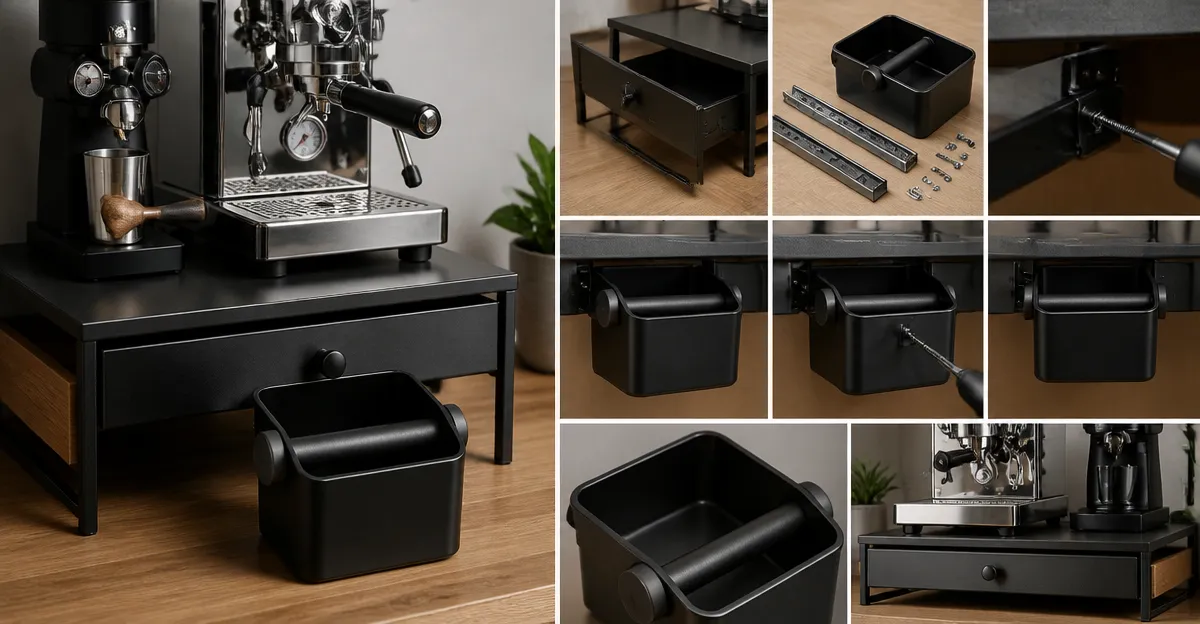
Installing an under‑drawer knock box transforms a compact espresso station into a tidy, professional‑grade workstation. This guide explains how to integrate a knock box beneath the drawer of a JoeFrex Rhino Compact Espresso Station, ensuring efficient coffee puck disposal while preserving countertop space. Readers will learn measurement techniques, mounting methods, cable management, and maintenance practices. By the end of the guide, one will possess a functional, clean‑looking coffee station that mirrors commercial setups.
What You’ll Need
- Measuring tape or ruler
- Drill with appropriate wood or metal bits
- Mounting brackets or heavy‑duty adhesive strips
- Rubber‑cushioned knock box (recommended options listed below)
- Silicone sealant (optional for extra stability)
- Screwdriver set
- Level
Step 1: Measure and Plan Placement
The first task is to determine the exact location under the drawer where the knock box will sit. Measure the interior width, depth, and height of the drawer cavity. The JoeFrex Rhino typically offers a drawer opening of approximately 7 inches wide and 5 inches deep. Choose a spot that does not interfere with the espresso machine’s power cord or water lines.
When planning, consider the dimensions of the knock box. The Apexstone Stainless Steel Knock Box measures 6.9 × 6.4 × 4 inches and provides a 1.5 L capacity, fitting comfortably within most drawer cavities. Its compact footprint makes it ideal for the Rhino’s limited space.
Mark the intended position on the drawer interior with a pencil. Verify clearance for the rubber knock bar to move freely without contacting the drawer walls. Use a level to ensure the marked line is perfectly horizontal; an uneven installation can cause the knock bar to bind.
Step 2: Prepare the Drawer and Knock Box
Before mounting, clean the drawer interior with a damp cloth to remove dust and debris. Allow it to dry completely. Next, inspect the knock box for any manufacturing burrs or sharp edges; the rubber‑cushioned bar on the Apexstone model protects the portafilter and prevents scratches.
If you prefer a bottomless design that channels grounds directly into a waste bin, the Rattleware Open Bottom Knock Box offers an open chute that integrates seamlessly with under‑counter bins. Its heavy‑duty stainless steel construction ensures durability, while the rubber knock bar absorbs impact.
For a modular solution that can be detached for cleaning, consider the DIBTSA Espresso Knock Box Chute. Its detachable rubber rod allows quick removal, and the bottomless rectangle design can be paired with a trash can beneath the drawer.
Once you have selected the appropriate knock box, assemble any optional accessories such as mounting brackets. The Apexstone model includes a built‑in drop‑in design that can sit directly on the drawer floor without additional hardware, simplifying installation.
Step 3: Install Mounting Hardware
Secure the knock box to prevent movement during daily use. If the drawer material is solid wood or thick MDF, pre‑drill two pilot holes on either side of the knock box footprint. Use 1/8‑inch drill bits to avoid splitting the wood. For metal drawer frames, select a drill bit compatible with steel and wear protective eyewear.
Attach mounting brackets using 1‑inch wood screws or self‑tapping metal screws. Position the brackets so that the knock box rests flush against the drawer back wall, preserving the ergonomic height for the barista. If you opt for the Bulipu Bottomless Coffee Knock Box, its open‑bottom design benefits from a simple silicone sealant strip applied to the rear edge, creating a semi‑permanent bond without screws.
After fastening, test the stability by gently tapping the knock bar. The box should remain stationary; any wobble indicates a need for tighter screws or additional brackets.
Step 4: Route Power and Water Connections
The JoeFrex Rhino requires both electrical power and a water supply line. Ensure that the installed knock box does not obstruct these connections. If the knock box sits directly beneath the drawer, route the power cord along the side of the drawer using a cable clip. The rubber edge of the Apexstone knock box reduces friction, protecting both the cord and the drawer surface.
For the water line, use a short, flexible hose that can pass around the knock box without kinking. The open‑bottom design of the Rattleware and Bulipu models allows the hose to run underneath the box, keeping the workspace tidy. Verify that there is no strain on the fittings; a strained hose can leak and damage the countertop.
Once cables and hoses are positioned, secure them with zip ties or Velcro straps. This organization not only improves aesthetics but also prevents accidental tripping hazards.
Step 5: Test Functionality and Fine‑Tune Position
With the knock box mounted and utilities routed, perform a functional test. Pull a shot of espresso and use the portafilter to tap the puck into the knock box. Observe the flow of grounds; they should drop cleanly into the box without spilling over the edges. If grounds spill, adjust the knock bar height or reposition the box slightly toward the back wall.
For bottomless models, ensure that grounds fall directly into the waste bin placed beneath the drawer. The DIBTSA chute excels in this scenario, as its rectangle bottomless design channels grounds efficiently into a matching trash can.
Finally, run a few more shots to confirm that the knock bar’s rubber cushioning does not dent the portafilter. All recommended products feature rubber‑wrapped bars that protect the equipment while delivering a satisfying “thud” sound that signals successful puck disposal.
Tips & Pro Tips
- Maintain a dry interior: After each use, tap the knock bar to release residual moisture. A dry interior prevents coffee oils from building up, extending the life of stainless steel components.
- Use a silicone mat: Placing a thin silicone mat under the knock box adds extra grip and protects the drawer surface from scratches.
- Choose the right size: The Apexstone model offers a 1.5 L capacity, sufficient for high‑volume home use. For commercial‑grade output, the Rattleware model’s larger opening accommodates multiple pucks without overflow.
- Regular cleaning: All four knock boxes are dishwasher safe or can be rinsed with water. Schedule a weekly deep clean to avoid coffee residue buildup.
- Noise reduction: The rubber edge gasket on the DIBTSA chute reduces vibration noise, an advantage in quiet office environments.
Troubleshooting
| Problem | Possible Cause | Solution |
|---|---|---|
| Grounds spilling over the edge | Knock bar set too low or box misaligned | Raise the knock bar using the adjustable screw (if available) or reposition the box toward the back wall. |
| Knock bar dents portafilter | Rubber coating worn or missing | Replace the rubber bar; the DIBTSA and Apexstone models include replaceable rubber sleeves. |
| Excessive noise during tamping | Hard metal bar contacting drawer | Apply a thin rubber gasket or silicone pad between the bar and drawer surface. |
| Box becomes loose over time | Insufficient mounting screws | Re‑tighten screws or add additional brackets for extra support. |
Conclusion
By following this step‑by‑step guide, one can successfully install an under‑drawer knock box for a JoeFrex Rhino Compact Espresso Station. The process enhances workflow efficiency, maintains a clean workstation, and protects valuable equipment. Whether one chooses the budget‑friendly Apexstone model, the versatile DIBTSA chute, the commercial‑grade Rattleware box, or the robust Bulipu design, each product offers distinct advantages that align with specific user needs. Implement the tips and troubleshooting advice to ensure long‑term reliability, and enjoy a streamlined espresso experience.
Products Mentioned in This Guide
Frequently Asked Questions
What dimensions should I measure before installing the knock box under the JoeFrex Rhino drawer?
Measure the interior width, depth, and height of the drawer cavity to ensure the knock box fits snugly.
Is it safe to mount the knock box with heavy‑duty adhesive strips instead of screws?
Yes, adhesive strips work on clean, flat surfaces for light loads, but screws provide a more secure attachment for heavier use.
How can I keep the under‑drawer knock box level and stable?
Use a level during installation and secure the box with mounting brackets or a bead of silicone sealant for extra stability.
What are the best practices for cable management when adding a knock box?
Route power cords around the brackets, secure them with zip ties or clips, and keep them away from moving parts.
How often should I clean the under‑drawer knock box to maintain hygiene?
Empty and rinse it daily, and perform a thorough cleaning with warm soapy water weekly to prevent coffee oil buildup.