Introduction
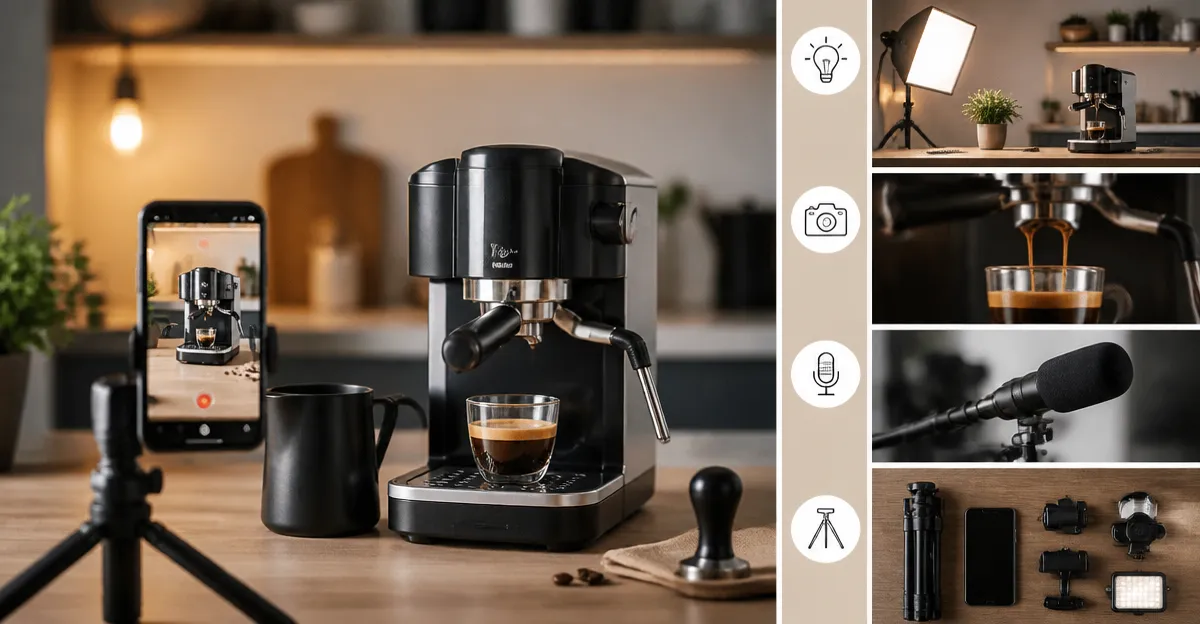
One will learn how to transform a modest espresso machine into a star of short‑form video content. This guide explains why mastering lighting, camera angles, and sound quality can increase viewer engagement and drive sales. By following each step, the reader will produce reels that feel cinematic while remaining practical for a kitchen countertop. The value lies in combining technical precision with creative storytelling, which ultimately builds brand authority.
What You'll Need
- Compact espresso machine (your product)
- Smartphone or mirrorless camera with manual controls
- LED light panel or softbox
- External microphone (lavaliere or shotgun)
- Tripod or flexible mount
- Video editing app (e.g., Adobe Premiere Rush)
- Viral Short-Form Content Playbook – $9.99, 5/5 rating
- Short Form Video Creation Guide – $9.90, 5/5 rating
- How to Write a Film Script – $11.99, 4.5/5 rating
Step 1: Define Your Storyboard
The first major step is to outline the narrative arc of the reel. One should decide whether the focus is on the espresso extraction, the machine's design, or a user's reaction. The Viral Short-Form Content Playbook provides proven frameworks for hook, tension, and call‑to‑action, which are essential for a 15‑second format. Its beginner‑friendly language ensures that even novices can draft a clear script within minutes, and the five‑star rating reflects its effectiveness.
Step 2: Set Up Lighting for a Coffee‑Shop Feel
Proper lighting transforms a kitchen countertop into a professional coffee‑shop scene. One should position a soft LED panel at a 45‑degree angle to the espresso machine to create gentle shadows that highlight steam and crema. The Short Form Video Creation Guide explains how diffused light reduces harsh reflections on metal surfaces, which is crucial for maintaining visual clarity on small screens. At a price of $9.90 and a flawless rating, this guide offers practical diagrams that simplify lighting setups for any budget.
Step 3: Choose Camera Angles That Capture Detail
Angles determine how viewers perceive the espresso machine's craftsmanship. One should start with a wide establishing shot, then transition to a close‑up of the portafilter as coffee pours. A low‑angle shot emphasizes the machine's sleek profile, while an overhead view showcases the cup placement and crema pattern. Using a tripod ensures stability, and a smartphone with manual focus allows quick adjustments between shots, preserving sharpness throughout the reel.
Step 4: Capture High‑Quality Sound
Audio is often overlooked in short reels, yet the hiss of steam and the click of the lever add authenticity. One should attach a lavaliere microphone to the barista's shirt or use a shotgun mic aimed at the machine. Recording in a quiet kitchen reduces background noise, and post‑production normalization balances the volume. If the built‑in microphone is insufficient, an external device can improve clarity without increasing production time.
Step 5: Record, Review, and Edit Efficiently
With storyboard, lighting, angles, and sound prepared, it is time to record the sequence in short bursts. One should film multiple takes of each segment to ensure at least one flawless clip. The How to Write a Film Script assists in trimming excess footage, focusing on the essential beats that keep viewers engaged. Its practical tips on pacing are valuable when editing a 30‑second reel, and the 4.5‑star rating confirms its relevance for creators seeking concise storytelling.
Step 6: Optimize for TikTok, Instagram Reels, and YouTube Shorts
Each platform has specific aspect ratios and duration limits; one must export the video in vertical 9:16 format. Adding platform‑specific captions improves accessibility and encourages interaction. The Viral Short-Form Content Playbook outlines algorithmic considerations, such as using trending audio snippets and strategic hashtags. By aligning content with platform preferences, the reel gains higher reach and better engagement metrics.
Tips & Pro Tips
- Use a diffuser on the LED panel to soften shadows and avoid overexposure on reflective surfaces.
- Film during daylight hours and supplement with artificial light to maintain consistent color temperature.
- Record a silent “b-roll” of the espresso machine for overlaying with voice‑over narration if needed.
- Test audio levels by playing the clip on a smartphone speaker before publishing.
- Leverage the “hook” technique from the Viral Short‑Form Content Playbook: capture the coffee pour within the first three seconds.
Troubleshooting
Problem: Overexposed footage due to bright kitchen lights.
Solution: Reduce LED panel intensity, add a neutral density filter, or shoot in manual mode with a lower ISO setting.
Problem: Unclear audio with background chatter.
Solution: Use a lavaliere mic placed close to the source, enable wind‑screen, and record in a quieter area.
Conclusion
One has now mastered the complete workflow for filming compelling short‑form reels of a compact espresso machine. By integrating proper lighting, thoughtful angles, clear sound, and strategic editing, the creator can produce content that resonates with coffee enthusiasts. The recommended Amazon tools provide affordable guidance that streamlines each phase of production. Apply these techniques consistently, and the reels will not only showcase the machine but also build a loyal audience.
Products Mentioned in This Guide
Frequently Asked Questions
What lighting setup works best for filming a compact espresso machine in short‑form reels?
Use a soft LED panel or softbox positioned at 45° to eliminate harsh shadows and highlight the machine’s details.
Which camera settings should I use on a smartphone for cinematic espresso reels?
Shoot in 4K (or highest resolution), set manual focus, lock exposure, and use a frame rate of 30 fps for smooth motion.
How can I improve audio quality when recording coffee brewing sounds?
Attach an external lavalier or shotgun mic close to the machine and record in a quiet kitchen to capture clear, crisp audio.
What is the ideal tripod or mount for capturing dynamic angles of a countertop espresso machine?
A flexible tabletop tripod or a small gimbal mount lets you switch between top‑down and side angles while keeping the shot steady.
Which editing tips make short‑form espresso reels more engaging?
Trim to 15‑30 seconds, add fast cuts, overlay text for key steps, and use upbeat music synced to the brewing action.