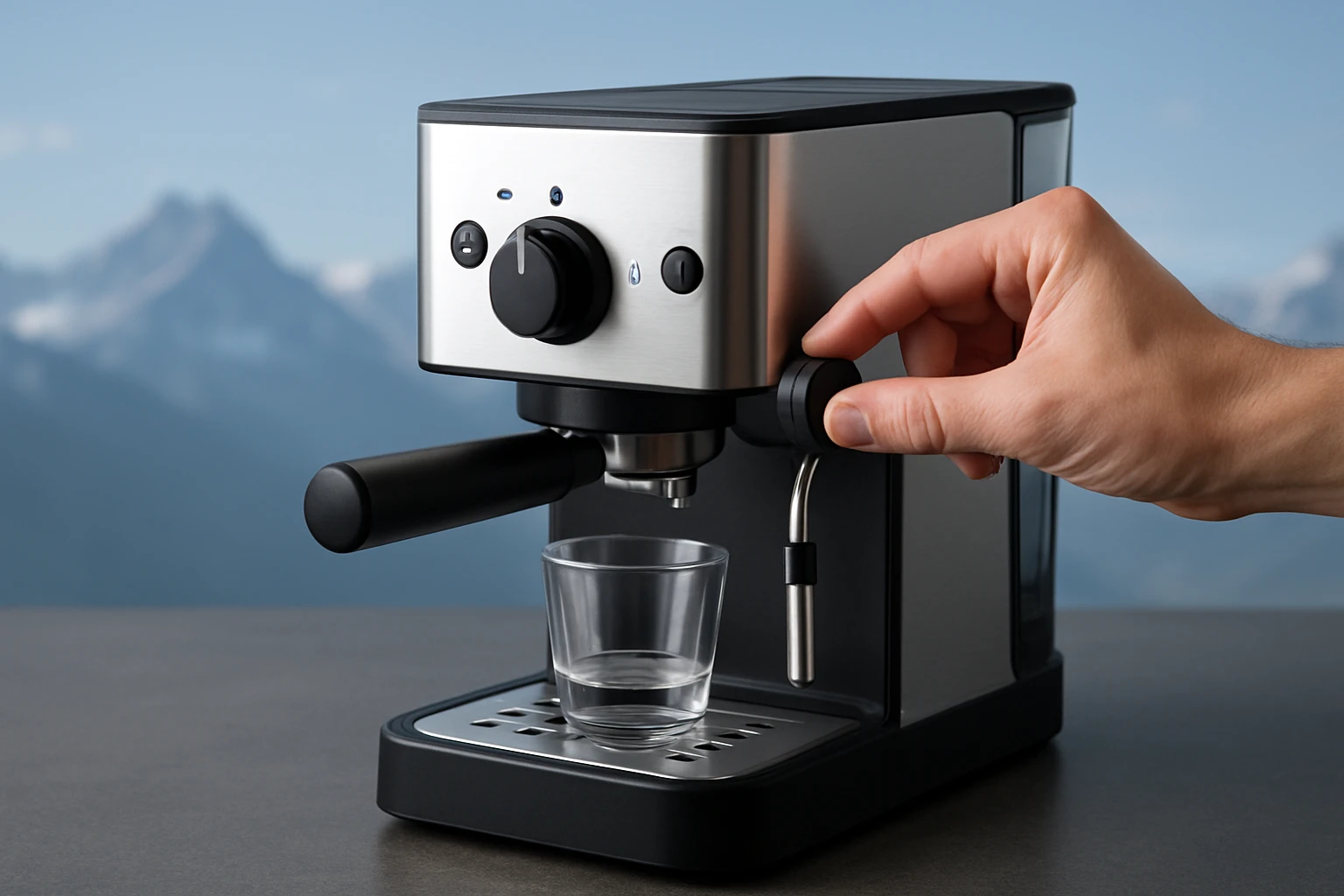
Introduction
One will discover how altitude influences the physics of espresso extraction and why precise adjustments are essential for consistent quality. The guide explains the impact of lower atmospheric pressure on water temperature, brew pressure, and solubility of coffee compounds. Readers will gain actionable techniques that transform a compact machine into a high‑altitude performer. Mastery of these steps will reduce waste, improve taste, and enhance the overall espresso experience.
What You’ll Need
- Digital thermometer capable of measuring water temperature to within 0.5°C.
- Precision scale for weighing coffee and water.
- Grinder with micro‑adjustable burr settings.
- Cleaning brush for group head maintenance.
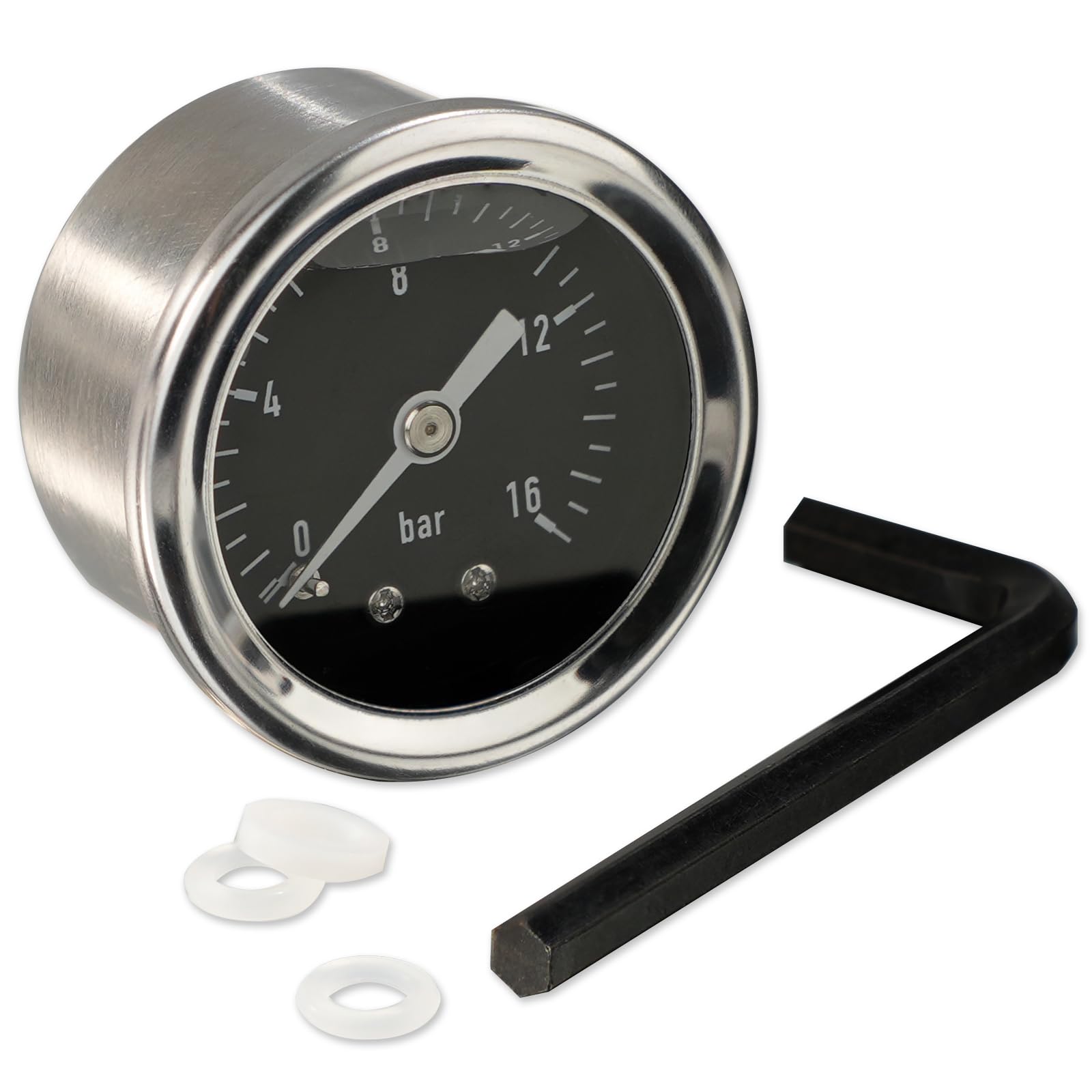
- E61 Group Head Pressure Gauge – $34.66, 5/5 rating (2 reviews).
Step 1: Assess Altitude Impact
Begin by determining the local elevation in meters or feet. At elevations above 1,500 feet, atmospheric pressure drops sufficiently to alter boiling temperature, typically reducing it by 1°C for every 300 feet. Record the measured altitude and calculate the expected boiling point reduction using the formula: Boiling Point = 100°C - (Altitude/3000). Understanding this baseline will inform subsequent temperature and pressure adjustments.
Step 2: Adjust Water Temperature
Compact espresso machines often lack built‑in temperature compensation for altitude, so manual calibration is required. Set the machine to its highest temperature setting and brew a blank shot while measuring the water temperature at the group head with the digital thermometer. If the temperature reads below the target range of 92–96°C, increase the thermostat setting by one increment and repeat the measurement. Continue this process until the water temperature falls within the desired window, compensating for the lower boiling point caused by altitude.
Step 3: Calibrate Brew Pressure
Accurate brew pressure is critical for proper extraction, especially when atmospheric pressure is reduced. Install the E61 Group Head Pressure Gauge onto the machine’s brew group following the manufacturer’s instructions. The oil‑filled design minimizes vibration, providing steady and dependable readings even on a compact platform. Observe the pressure reading during a test shot; at sea level the target is 9 bar, but at high altitude the machine may naturally read lower. Adjust the pressure screw or valve until the gauge displays 9±0.5 bar, ensuring the machine compensates for the thinner air. This gauge is advantageous because its stainless‑steel construction resists corrosion and its enhanced sealing design reduces the risk of leaks, offering reliable performance over time.
Step 4: Fine‑Tune Grind Size
With temperature and pressure calibrated, the next variable is grind size, which directly influences extraction time. Use the precision scale to dose 18 grams of coffee and pull a shot, timing the extraction to achieve a 25‑second brew. If the shot extracts too quickly, decrease the grind size in small increments; if it extracts too slowly, increase the grind size. Record each adjustment in a log to identify the optimal setting for the specific altitude and bean profile.
Step 5: Validate Shot Consistency
Perform a series of three consecutive shots using the calibrated settings, measuring volume, weight, and taste attributes such as acidity, body, and sweetness. Consistency across the three shots indicates that the machine is properly tuned for high‑altitude conditions. Document the final parameters—temperature, pressure, grind size, and dose—so that future adjustments can reference a proven baseline.
Tips & Pro Tips
- Allow the machine to warm up for at least 15 minutes before taking measurements; thermal stability improves accuracy.
- Use filtered water to reduce mineral buildup, which can affect temperature stability at altitude.
- When adjusting pressure, make minute turns of the screw; over‑correction can lead to channeling and uneven extraction.
- Store coffee beans in an airtight container at a stable temperature to maintain consistent grind behavior.
- Periodically re‑check the pressure gauge reading, as altitude‑related pressure drift may occur over time.
Troubleshooting
Problem: Shot is watery and under‑extracted despite correct temperature and pressure.
Solution: Decrease grind size by one notch and verify that the dose remains constant. If the problem persists, inspect the group head for residue that could cause channeling.
Problem: Pressure gauge shows fluctuating readings during a single shot.
Solution: Ensure the gauge is securely tightened and that the sealing edge is clean. Replace the gauge if oil leakage is observed, as compromised damping can cause instability.
Conclusion
One has learned how altitude alters the fundamental variables of espresso extraction and how to methodically adjust temperature, pressure, and grind size on a compact machine. By employing the E61 Group Head Pressure Gauge as a precise diagnostic tool, the practitioner can maintain the ideal 9‑bar pressure despite reduced atmospheric pressure. Consistent documentation and periodic re‑calibration will sustain perfect shots throughout the coffee‑making journey. Embrace these proven techniques to enjoy café‑quality espresso at any elevation.
Products Mentioned in This Guide
Frequently Asked Questions
How does high altitude affect espresso extraction?
Lower atmospheric pressure reduces boiling temperature and brew pressure, which can under‑extract coffee and alter flavor.
What temperature adjustment is recommended for altitudes above 1,500 ft?
Decrease the brewing water temperature by about 1 °C for every 500 ft above sea level, then fine‑tune by taste.
Do I need to modify brew pressure on a compact espresso machine at high altitude?
Yes, increase the pump pressure by 0.5–1 bar to compensate for the reduced ambient pressure.
How important is grind size when brewing at high altitude?
A slightly finer grind helps maintain extraction balance because water extracts coffee compounds more quickly in thinner air.
What tools are essential for calibrating a compact machine for high altitude?
A digital thermometer, precision scale, micro‑adjustable grinder, and a group‑head pressure gauge are key for accurate adjustments.