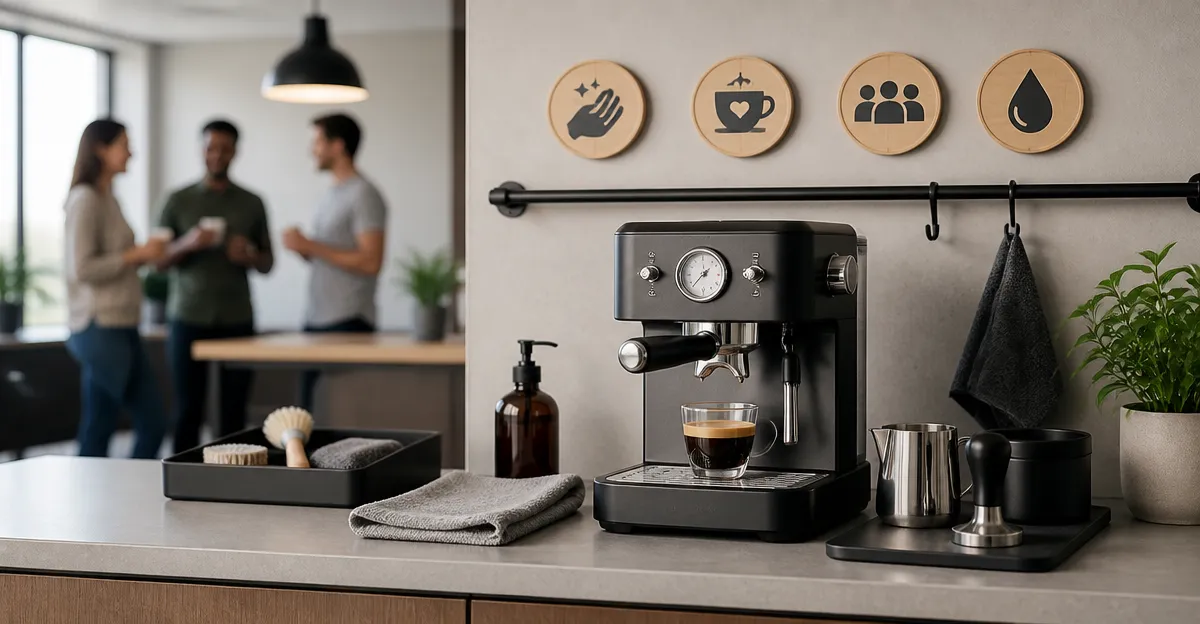
Shared Kitchen Rules for Compact Espresso Machines: The Essential Guide to Etiquette, Cleaning & Maintenance
Introduction
In many modern apartments, co‑living spaces, and office break rooms, a compact espresso machine has become a communal asset. This guide explains how residents and coworkers can share the device responsibly, maintain peak performance, and enjoy café‑quality coffee without conflict. Readers will learn the fundamentals of kitchen etiquette, step‑by‑step cleaning routines, preventive maintenance schedules, and how to select a machine that fits a shared environment. By following these recommendations, users will extend the lifespan of the equipment and foster a harmonious atmosphere.
Background and Context
Espresso machines that integrate a grinder, such as the Electactic 20‑Bar Espresso Machine and the EUHOMY 20‑Bar Espresso Machine, combine brewing power with bean‑to‑cup convenience. Their popularity stems from a 20‑bar pump, built‑in precision grinders, and PID temperature control, features that were once exclusive to commercial cafés. When multiple users operate the same unit, variations in usage patterns, cleaning habits, and expectations can create friction. Understanding the technology behind these machines provides a foundation for establishing clear rules.
Both models employ a stainless‑steel boiler, a 1500 W motor, and a 30‑level grind adjustment system. The Electactic model emphasizes an all‑in‑one barista kit, while the EUHOMY model highlights an anti‑clog grinder and a commercial‑grade 58 mm portafilter. Their similar pressure ratings mean that either can produce a rich crema, but differences in grinder design and steam wand ergonomics affect user experience. Recognizing these nuances helps shared‑kitchen managers allocate responsibilities fairly.
Etiquette for Shared Use
Respectful behavior begins with clear communication. A printed sign placed near the machine should outline the following points:
- Maximum daily usage time per person (e.g., 30 minutes).
- Preferred cleaning order after each brew (wipe, purge, empty grounds).
- Location of spare filters, tampers, and cleaning tools.
Users should label their personal mugs to avoid accidental mix‑ups. When a brew is started, the operator must ensure the water reservoir is filled to the indicated level and that the bean hopper contains fresh beans. If the grinder is set to a different grind size than the previous user, a brief note should be left indicating the new setting. This prevents the next user from receiving over‑extracted or under‑extracted coffee.
Noise considerations are also relevant in shared environments. The steam wand produces a hissing sound; therefore, users should activate it during designated coffee‑break windows to minimize disruption. Finally, any spills must be addressed immediately to prevent slip hazards and to protect the machine’s electronic components.
Cleaning Protocols
Effective cleaning protects both flavor integrity and mechanical reliability. The following routine should be performed after each use:
- Group Head Wipe: Use a damp microfiber cloth to remove coffee oils from the portafilter and group head. This prevents buildup that can cause channeling.
- Steam Wand Purge: Activate the wand for three seconds to expel milk residue, then wipe the exterior with a clean cloth.
- Grinder Tray Emptying: Remove the ground coffee tray, discard used grounds, and tap the tray gently to release any lingering particles.
- Water Reservoir Refill: Top up with filtered water to maintain mineral balance and reduce scaling.
Deep cleaning should occur weekly. For the Electactic model, the manufacturer recommends a descaling solution compatible with stainless‑steel boilers; the machine’s PID controller will guide the descaling cycle. The EUHOMY model includes a removable brew group that can be soaked in a citric‑acid solution for 15 minutes, then rinsed thoroughly. Both machines benefit from a monthly back‑flush using a blind filter and cleaning detergent to clear the pump lines.
Maintenance Scheduling
Preventive maintenance reduces unexpected downtime. Users should record the following dates in a shared log:
- Last descaling (recommended every 2–3 months depending on water hardness).
- Grinder calibration check (verify that the 30‑level setting still produces consistent particle size).
- Steam wand gasket inspection (replace if cracks appear).
The Electactic 20‑Bar Espresso Machine carries a 4.4‑star rating from 27 reviews, indicating reliable performance when maintained as instructed. Its integrated tamper and cleaning kit simplify routine upkeep. The EUHOMY 20‑Bar Espresso Machine, rated 4.3 stars from 172 reviews, offers an anti‑clog grinder that reduces the need for frequent burr cleaning, yet the user should still perform a monthly burr inspection to avoid wear.
When a component shows signs of wear—such as inconsistent pressure or unusual noises—users should contact the manufacturer’s support line. Many warranty plans cover the pump and boiler for two years, provided that regular maintenance logs are available.
Product Recommendations for Shared Kitchens
Choosing a machine that aligns with communal use involves balancing capacity, ease of cleaning, and durability. The following products have been evaluated against these criteria.
Electactic 20‑Bar Espresso Machine
This model integrates a precision grinder with 30 adjustable settings, a powerful 20‑bar pump, and PID temperature control. Its all‑in‑one barista kit includes a commercial‑style portafilter, four brew filters, a frothing pitcher, a heavy‑duty tamper, and a comprehensive cleaning kit. Priced at $319.99, it offers a robust feature set for users who value a complete package without additional purchases. The 4.4‑star rating reflects consistent satisfaction among early adopters.
Key features that benefit shared environments include:
- Integrated grinder that eliminates the need for a separate bean mill.
- Steam wand that doubles as a hot‑water dispenser, reducing the number of appliances on the countertop.
- Stainless‑steel construction that resists scratches and stains.
For cleaning, the machine’s removable drip tray and built‑in back‑flush program simplify weekly maintenance.
EUHOMY 20‑Bar Espresso Machine
The EUHOMY machine emphasizes an anti‑clog grinder system and a 58 mm commercial‑grade portafilter. At $210.55, it presents a more budget‑friendly option while still delivering professional‑grade espresso. Its 4.3‑star rating from 172 reviews indicates broad acceptance among home baristas. The PID controller maintains water temperature within ±1 °C, ensuring consistent extraction.
Features particularly useful for shared spaces are:
- Anti‑clog grinder that reduces maintenance frequency.
- High‑pressure steam wand capable of producing micro‑foam for latte art.
- Compact footprint that fits easily on communal countertops.
The machine’s removable brew group facilitates deep cleaning without disassembling the entire unit.
Comparison and Selection Guide
| Criterion | Electactic 20‑Bar | EUHOMY 20‑Bar |
|---|---|---|
| Price | $319.99 | $210.55 |
| Overall Rating | 4.4 / 5 (27 reviews) | 4.3 / 5 (172 reviews) |
| Grinder Settings | 30 levels, precision burrs | 30 levels, anti‑clog system |
| Portafilter Size | Standard commercial size | 58 mm commercial grade |
| PID Control | Yes, stable temperature | Yes, ±1 °C stability |
| Included Accessories | Tamper, frothing pitcher, cleaning kit | Basic tamper, cleaning tools |
| Footprint | Larger due to all‑in‑one kit | More compact |
When space is limited and budget constraints are paramount, the EUHOMY model provides excellent value. If a group desires a comprehensive barista experience with fewer supplemental purchases, the Electactic model is the better investment.
Best Practices & Tips
Beyond routine cleaning, users can adopt the following habits to preserve machine performance:
- Use filtered water to minimize mineral buildup inside the boiler.
- Grind beans fresh for each session; stale grounds increase the likelihood of grinder jams.
- Set the grinder to a mid‑range setting (e.g., 15) as a default, then adjust based on bean type.
- Allow the machine to warm up for at least five minutes before pulling the first shot of the day; this stabilizes PID temperature.
- Rotate the steam wand cleaning brush daily to avoid milk residue accumulation.
- Document any anomalies in the shared log, including unusual noises or pressure fluctuations.
Implementing these practices reduces the frequency of service calls and ensures that every user receives a consistently high‑quality espresso.
Frequently Asked Questions
- How often should the grinder be calibrated?
- Calibration is recommended every two weeks in high‑traffic environments. Adjust the grind size by a single notch and pull a test shot to verify extraction time remains between 25‑30 seconds.
- Can I use pre‑ground coffee in a shared machine?
- While pre‑ground coffee will function, it bypasses the grinder’s anti‑clog benefits and may lead to inconsistent extraction. The guide encourages the use of whole beans for optimal flavor.
- What is the best method to descale the machine?
- Follow the manufacturer’s descaling solution instructions, run the solution through the brew cycle, then flush with clean water twice. Perform this process every 2–3 months, or sooner if water hardness is high.
- Is it safe to leave the machine on overnight?
- Both models feature automatic standby modes that reduce power consumption after 15 minutes of inactivity. However, for energy efficiency and safety, it is advisable to switch off the unit when not in use for extended periods.
- How can I prevent milk residue from building up in the steam wand?
- After each steaming session, purge the wand for three seconds, then wipe the exterior with a damp cloth. Perform a weekly deep clean using a dedicated milk‑system cleaner.
Conclusion
Shared espresso machines can elevate the social atmosphere of any communal kitchen when managed with clear etiquette, diligent cleaning, and scheduled maintenance. By selecting a machine that matches the group’s space, budget, and usage frequency—such as the Electactic 20‑Bar Espresso Machine or the EUHOMY 20‑Bar Espresso Machine—users ensure reliable performance. Consistent communication, documented maintenance logs, and adherence to the best‑practice checklist create a sustainable environment where every cup is brewed to perfection.
Products Featured in This Guide
Electactic 20‑Bar Espresso Machine
Price: $319.99
Rating: 4.4/5 (27 reviews)
Featured because it provides a comprehensive all‑in‑one barista kit, robust 20‑bar pump, and PID temperature control, making it ideal for groups that desire a premium coffee experience without additional accessories.
EUHOMY 20‑Bar Espresso Machine
Price: $210.55
Rating: 4.3/5 (172 reviews)
Featured because its anti‑clog grinder, compact design, and precise PID control deliver professional results at a lower price point, suitable for smaller shared kitchens with high usage frequency.