Guide to Compact Espresso Machines and Indoor Air Quality: Understanding VOCs (Volatile Organic Compounds) and How to Reduce Emissions
Introduction
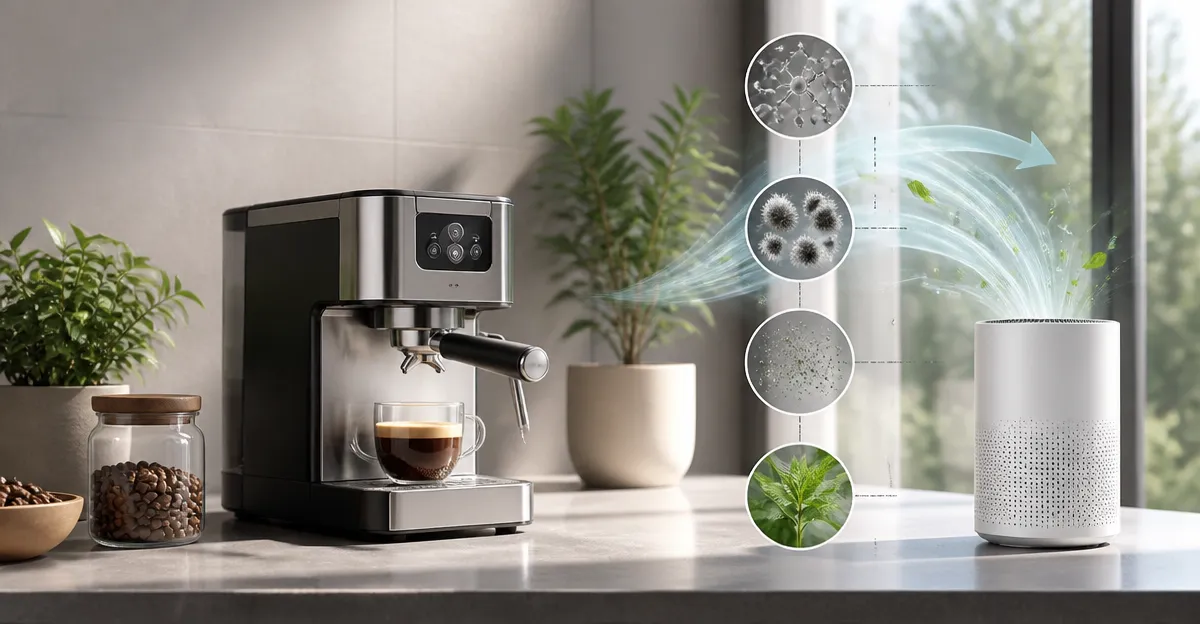
This guide explores the intersection of compact espresso machines and indoor air quality. Readers will learn what volatile organic compounds (VOCs) are, how espresso machines can contribute to indoor emissions, and which strategies effectively reduce exposure. The article also presents a curated selection of highly rated compact espresso machines that balance performance with low emissions, allowing coffee enthusiasts to enjoy barista‑level drinks without compromising health.
By the end of this guide, readers will understand the science behind VOCs, be equipped to evaluate machine specifications, and possess actionable best‑practice tips for maintaining a clean indoor environment.
Background and Context
Indoor air quality (IAQ) is determined by a mixture of chemical, biological, and physical factors. Among chemical pollutants, VOCs are a major concern because they evaporate at room temperature and can cause irritation, headaches, and long‑term health effects. Common indoor sources include paints, cleaning agents, furnishings, and, importantly for this guide, appliances that heat water or steam milk.
Espresso machines generate VOCs primarily through three mechanisms: heating of water creates steam that can carry trace organic residues; the heating element may release compounds from internal plastics; and the milk frothing process can aerosolize volatile fats and proteins. Compact machines, because of their smaller footprint, often use lightweight components that may include more plastic, potentially increasing VOC emissions if not properly engineered.
Understanding how a machine’s design influences emissions enables consumers to select products that deliver great coffee while minimizing health risks.
Key Concepts and Strategies
Before evaluating specific machines, it is useful to become familiar with several key concepts that govern VOC generation and mitigation.
- Temperature Control: Precise temperature regulation reduces the breakdown of water and plastic components, limiting VOC formation.
- Material Selection: Food‑grade stainless steel and high‑temperature‑resistant polymers emit fewer VOCs than low‑grade plastics.
- Ventilation: Proper kitchen ventilation, such as range hoods or exhaust fans, quickly removes steam‑borne VOCs.
- Cleaning Frequency: Regular descaling and cleaning prevent residue buildup, which can become a source of volatile compounds when heated.
- Steam Wand Design: Steam wands that produce micro‑foam with lower temperature differentials emit fewer volatile fats.
Applying these principles when choosing and operating a compact espresso machine will result in a healthier indoor environment.
Product Recommendations
The following machines have been selected because they combine compact design, strong performance, and features that support low VOC emissions. Each product description includes key specifications, user ratings, and why it aligns with the IAQ guidelines discussed above.
CASABREWS 3700 Espresso Machine
CASABREWS 3700 offers a 20‑bar pressure pump, a 1350 W heating element, and a stainless‑steel exterior that reduces plastic‑related emissions. The machine features a powerful steam wand capable of producing micro‑foam, which, when used with proper milk temperature, limits volatile fat release. At a price of $99.99, it provides excellent value, and its 4.2‑star rating from 3,679 reviews demonstrates consistent consumer satisfaction.
- Water tank capacity: 43.9 oz, removable for easy cleaning.
- Compact footprint suitable for kitchens of any size.
- Includes tamper, portafilter, and dual‑brew filters for single‑ or double‑shot preparation.
Because the machine’s body is stainless steel, it minimizes the amount of heat‑sensitive plastic exposed to high temperatures, thereby reducing potential VOC output.
CASABREWS CM5418 Espresso Machine
The CASABREWS CM5418 builds on the 3700’s foundation with an integrated pressure gauge, allowing users to monitor extraction pressure in real time. This feature encourages optimal brewing practices that avoid overheating water, a known contributor to VOC formation. Priced at $139.99 and rated 4.3 stars by 8,012 reviewers, it offers a balance of precision and affordability.
- 34 oz removable water tank for multiple brews without frequent refills.
- Dual‑cup brewing filters and a stainless‑steel portafilter.
- Built‑in safety mode that prevents overheating during consecutive steam cycles.
The inclusion of a pressure gauge helps users maintain consistent extraction, which reduces the need for excessive reheating and consequently lowers VOC emissions.
CHULUX Slim Espresso Machine (Black)
The CHULUX Slim (Black) features a 20‑bar Italian pump, a 1350 W boiler that reaches brewing temperature in 30 seconds, and a 40 oz water tank. Its compact 5.5‑inch width makes it ideal for small apartments where ventilation may be limited. At $89.96 and a 4.5‑star rating from 746 reviews, it delivers strong performance at a modest price point.
- Food‑grade materials for boiler, water tank, and steam wand.
- Real‑time pressure gauge and pre‑infusion function for balanced extraction.
- Auto‑shutoff after 25 minutes of inactivity to conserve energy.
The use of food‑grade silicone and stainless steel reduces the likelihood of plastic degradation, thereby limiting VOC release during prolonged use.
CHULUX Slim Espresso Machine (Creamy)
The CHULUX Slim (Creamy) mirrors the Black model’s specifications while offering an alternative finish. Priced at $95.98, it maintains the same 4.5‑star rating. The identical engineering ensures low‑emission performance, and the aesthetic variation allows consumers to match kitchen décor without sacrificing IAQ considerations.
- Same 20‑bar pump and 1350 W rapid‑heat boiler.
- Compact design with 40 oz water capacity.
- Removable drip tray for easy cleaning and reduced residue buildup.
Choosing a machine with a removable drip tray encourages regular cleaning, which is essential for preventing residue‑derived VOCs.
Breville Bambino Espresso Machine
The Breville Bambino stands out with its ThermoJet heating system that reaches optimal extraction temperature in three seconds. This rapid heating reduces the duration that water and internal components are exposed to high temperatures, thereby limiting VOC generation. Although priced higher at $299.95, its 4‑star rating from 2,634 reviews reflects strong performance and durability.
- 1560 W power with PID temperature control for precise extraction.
- Automatic steam wand for consistent micro‑foam creation.
- Compact footprint suitable for limited countertop space.
Breville’s emphasis on metal construction over plastic, combined with the fast‑heat technology, makes the Bambino a low‑VOC option for consumers willing to invest in premium build quality.
Comparison and Selection Guide
When selecting a compact espresso machine, readers should evaluate the following criteria against personal needs and IAQ goals.
| Feature | CASABREWS 3700 | CASABREWS CM5418 | CHULUX Slim (Black) | CHULUX Slim (Creamy) | Breville Bambino |
|---|---|---|---|---|---|
| Price (USD) | 99.99 | 139.99 | 89.96 | 95.98 | 299.95 |
| Rating | 4.2 | 4.3 | 4.5 | 4.5 | 4.0 |
| Water Tank Capacity | 43.9 oz | 34 oz | 40 oz | 40 oz | Not specified |
| Pressure (Bar) | 20 | 20 | 20 | 20 | Not disclosed (but high‑performance) |
| Heating Time | ~1‑2 min | ~1‑2 min | 30 sec | 30 sec | 3 sec |
| Material (Body) | Stainless steel | Stainless steel | Stainless steel & food‑grade silicone | Stainless steel & food‑grade silicone | Stainless steel with some plastic components |
| VOC‑Friendly Features | Metal body, removable tank | Pressure gauge, safety mode | Food‑grade parts, auto‑shutoff | Food‑grade parts, auto‑shutoff | Fast heating, metal construction |
Consumers prioritizing the lowest possible emissions should favor machines with stainless‑steel bodies, rapid heating, and easy‑clean designs. The CHULUX Slim models and the Breville Bambino excel in these areas, while the CASABREWS line offers a balance of price and performance.
Best Practices & Tips for Reducing VOCs
Beyond product selection, daily habits play a crucial role in maintaining healthy indoor air.
- Use filtered water: Hard water can leave mineral deposits that, when heated, release metallic VOCs. Descaling regularly with a citric‑based solution prevents buildup.
- Clean the steam wand after each use: Milk residues contain fats that vaporize during subsequent steaming cycles, contributing to VOCs.
- Ventilate the brewing area: Operate a range hood or open a window while the machine is in use to exhaust steam‑borne compounds. li>Limit plastic accessories: Opt for stainless‑steel portafilters and tamper tools; these do not off‑gas under heat.
- Maintain optimal temperature settings: Avoid exceeding the manufacturer’s recommended brew temperature (typically 190‑205 °F). Excessive heat accelerates polymer degradation.
- Schedule deep cleaning: Once a month, perform a full cleaning cycle that includes the water reservoir, brew head, and drip tray to remove any accumulated organic matter.
Implementing these practices ensures that even a high‑performance machine does not become a hidden source of indoor pollutants.
Frequently Asked Questions
- What are VOCs and why are they a concern in coffee making?
- VOCs are volatile organic compounds that evaporate at room temperature. In coffee making, they can originate from heated plastics, water mineral deposits, and aerosolized milk fats, potentially causing irritation and long‑term health effects.
- Do stainless‑steel espresso machines emit fewer VOCs than plastic ones?
- Yes. Stainless steel does not release organic compounds when heated, whereas low‑grade plastics can off‑gas, especially under repeated high‑temperature cycles.
- How does rapid heating technology affect VOC emissions?
- Faster heating reduces the time water and internal components spend at elevated temperatures, thereby limiting the chemical reactions that generate VOCs.
- Is a pressure gauge useful for IAQ?
- A pressure gauge helps maintain optimal extraction pressure, preventing the need for reheating water to achieve desired flavor, which in turn reduces VOC formation.
- Can I use the same machine for both espresso and regular coffee without increasing VOCs?
- Yes, provided the machine is cleaned thoroughly between uses. Regular cleaning prevents residue buildup that could otherwise volatilize during subsequent brewing cycles.
- What ventilation methods are most effective?
- Range hoods with a minimum extraction rate of 300 CFM or opening a window for at least five minutes during brewing are effective at removing steam‑borne VOCs.
- Do milk frothers contribute significantly to indoor pollutants?
- Steam wands that overheat milk can aerosolize volatile fats, increasing indoor VOC levels. Using the correct milk temperature (around 150‑155 °F) and cleaning the wand after each use mitigates this risk.
Conclusion
Compact espresso machines can deliver café‑quality beverages while fitting into limited kitchen spaces. However, the choice of materials, heating technology, and user maintenance practices directly influences indoor VOC levels. By selecting machines such as the CHULUX Slim models or the Breville Bambino, which prioritize metal construction and rapid heating, and by following the best‑practice tips outlined above, consumers can enjoy their espresso without compromising indoor air quality.
Ultimately, informed purchasing combined with diligent cleaning and adequate ventilation creates a healthier environment and a more satisfying coffee experience.
Products Featured in This Guide
CASABREWS 3700 Espresso Machine
Price: $99.99 | Rating: 4.2/5 (3,679 reviews)
Featured for its stainless‑steel body, 20‑bar pressure system, and affordable price, making it a low‑VOC entry‑level option.
CASABREWS CM5418 Espresso Machine
Price: $139.99 | Rating: 4.3/5 (8,012 reviews)
Featured for its built‑in pressure gauge and safety mode, which help maintain optimal extraction and limit overheating‑related VOCs.
CHULUX Slim Espresso Machine (Black)
Price: $89.96 | Rating: 4.5/5 (746 reviews)
Featured for its food‑grade components, rapid 30‑second heat‑up, and compact footprint, which together support low VOC emissions.
CHULUX Slim Espresso Machine (Creamy)
Price: $95.98 | Rating: 4.5/5 (746 reviews)
Featured for the same low‑VOC design as the black version, offering an aesthetic alternative without sacrificing performance.
Breville Bambino Espresso Machine
Price: $299.95 | Rating: 4/5 (2,634 reviews)
Featured for its ThermoJet rapid‑heat technology and predominantly metal construction, providing a premium low‑VOC solution for serious coffee enthusiasts.